Sumatra coffee: wet-hulling and the character of Mandheling
Introduction: Sumatra coffee is known for its distinctive woody, earthy and spicy flavors, a style that stems mainly from the region's unique wet-hulling process. This article examines in depth why Sumatra coffee beans are processed in this seemingly "imperfect" way, explores the climate factors, supply-chain realities and flavor-formation mechanisms behind it, and offers coffee lovers advice on identifying flavors and brewing.
In the world of specialty coffee, Sumatra coffee has long been known for its bold and highly debated flavors. The common woody notes, earthy feel, even a slight mustiness and spicy aromas give it a mixed reputation among coffee lovers. The formation of these unique flavors is inseparable from the "wet-hulling" method (also called semi-washed) widely used in Sumatra.
Sumatra lies near the equator, with high heat and humidity year-round, climate conditions that pose special challenges for coffee processing. The traditional natural method requires a long drying period (usually 27 to 30 days), and in a humid environment, prolonged sun drying is not only inefficient but also tends to cause inconsistent quality. Local producers therefore developed a faster wet-hulling method: after the coffee cherries are pulped, the beans still contain a high moisture level (about 30%–40%) when they go straight to the hulling step, greatly shortening the overall processing time.
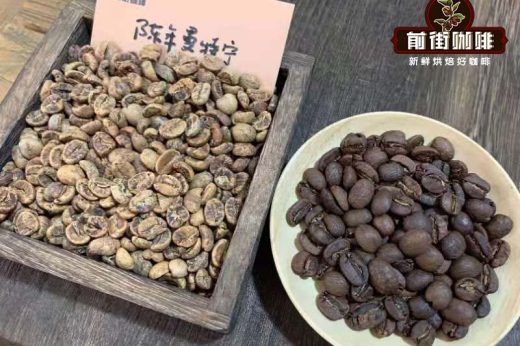
It is worth noting that smallholders in Sumatra usually do not have their own processing plants. They typically give the harvested coffee cherries a preliminary treatment—using simple buckets to imitate washed fermentation, though in practice this step relies more on flotation and rinsing to remove defective beans than on fermentation in the traditional microbiological sense. These parchment beans, not yet fully hardened, are then quickly sent to a huller; because the beans are still soft, the machine's pressure often leaves a distinctive "goat's hoof" dent at both ends of the bean.
After hulling, the green beans still have a high moisture content and cannot immediately enter storage or transport. The subsequent drying step is therefore often postponed until the trader stage, where final drying is done with professional equipment or sunlight to bring moisture down to the standard level of about 13%. This series of steps involves multiple intermediaries—from smallholders and primary buyers to distributors and international traders—and each step affects the final flavor, making quality control especially complex.
In traditional processing methods, the washed method relies on precise fermentation control to enhance cleanliness and sweetness, while the natural method uses fermentation of the fruit's natural sugars to bring fruity layers. Sumatra's wet-hulling, however, achieves neither effective fermentation nor the participation of the fruit pulp, so its flavor profile leans heavy and raw, and some consumers even consider it "not clean enough." Yet it is precisely this "special" flavor characteristic that has given Sumatra coffee its unique recognition in the global market, especially the export variety known as "Mandheling," which has become a classic choice for lovers of bold coffee.
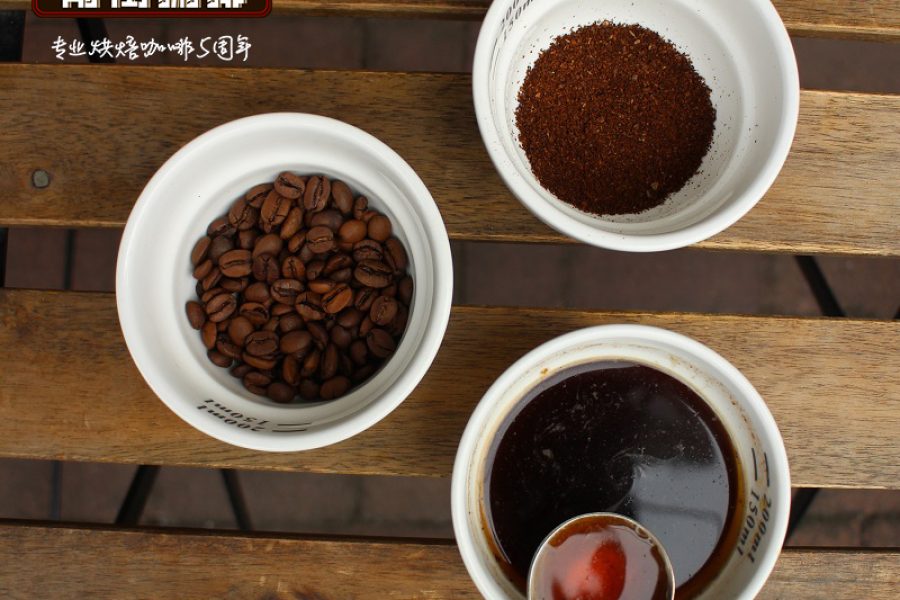
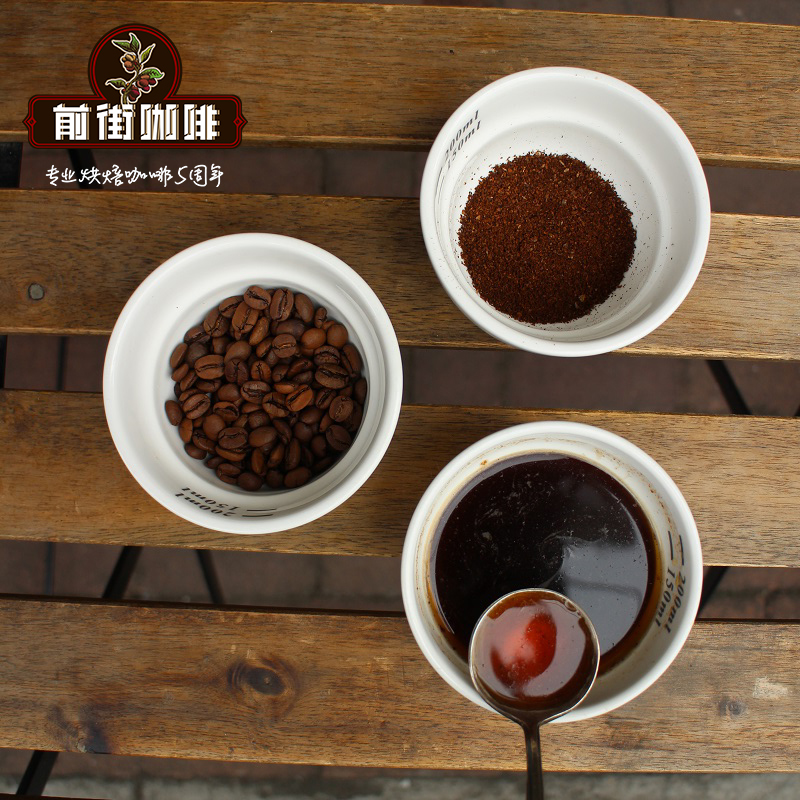
For enthusiasts who want to try Sumatra coffee, a pour-over is recommended to appreciate its multi-layered flavors. A medium-fine grind (close to the texture of granulated sugar) is generally recommended, with water temperature controlled between 90 and 93°C, using staged extraction (for example, a 30-second bloom with 30 grams of water, then slowly pouring to a total of 240 milliliters), which helps balance its heavy body and complex finish. In addition, because these beans usually go through a "resting period" of about 90 days in the trade chain to reach moisture-activity balance, it is advisable to give them a suitable resting time after purchase as well for more stable flavor.
In summary, Sumatra coffee's wet-hulling method does not pursue "cleanliness" or "brightness" in the traditional sense, but is an adaptive craft formed under specific geographic and industry conditions. It has created the distinctive regional flavor of the Mandheling line and offered the global coffee market another dimension of flavor possibility.