Sumatra Mandheling Coffee: Flavor, Processing and Pour-Over Guide
Introduction: Sumatra Mandheling coffee is known worldwide for its full, rich body and distinctive flavor, but your understanding of it may only scratch the surface. This article takes a deep look at the flavor differences among the four classic Mandheling categories (Lintong, Gold, Tiger and Aged), reveals Sumatra's unique wet-hulling process, offers professional-grade roasting and pour-over parameter recommendations, and includes detailed flavor descriptions to help you go from beginner to expert and find your own cup of Sumatran coffee.
Among coffee lovers, Sumatran coffee beans have always held a special place. This thousand-island nation near the equator, with its unique climate and geography, produces the distinctly flavored Mandheling coffee. Among these, Lintong Mandheling, Gold Mandheling, Tiger Mandheling and Aged Mandheling are the four most representative categories, each with its own flavor characteristics and story.
As Indonesia's main coffee-producing region, Sumatra's coffee-growing history dates back to the late 17th century. In 1696, Dutch colonists introduced coffee to Java, and it later spread to Sumatra. Today, although Indonesia is dominated by Robusta (90% of production), Sumatra's Arabica Mandheling is a star in the specialty coffee world. The region has mostly volcanic soil, and the high-altitude environment (usually 1,100-1,600 meters) gives the beans bright acidity and a rich body, while the variable climate gave rise to the unique wet-hulling process.
[Wet-Hulling: The Soul of Sumatran Coffee]
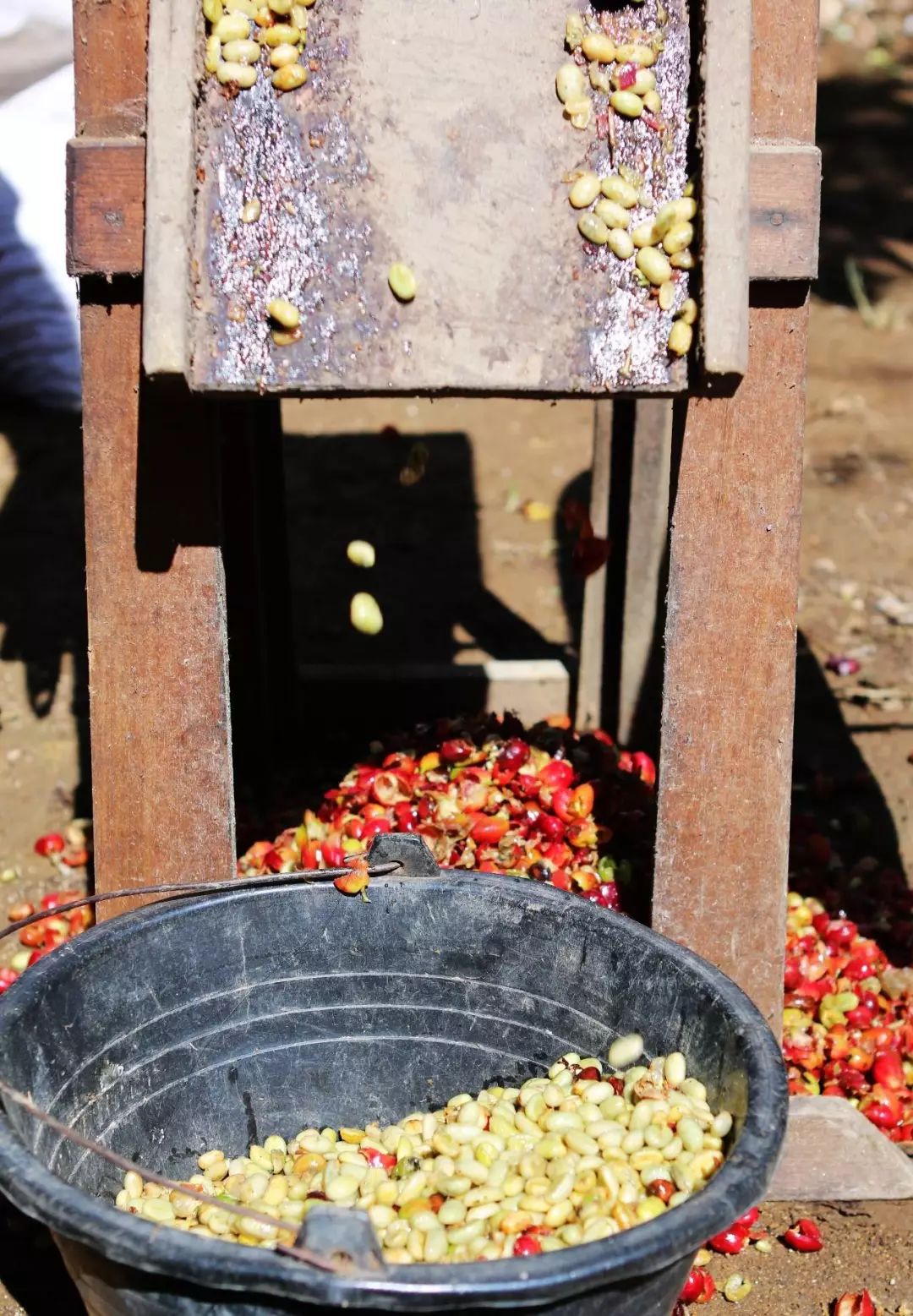
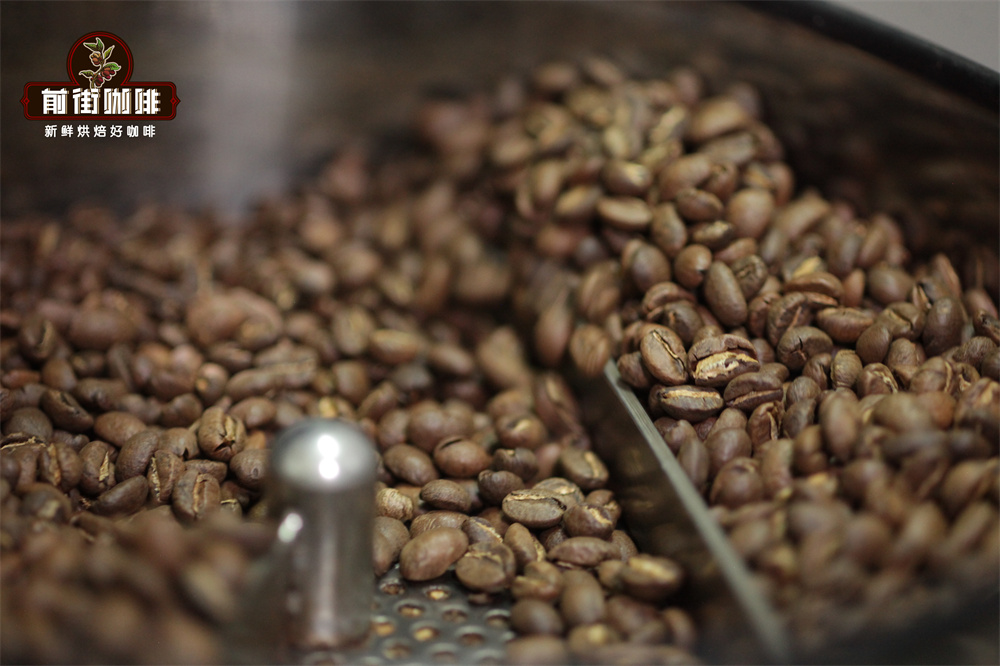
Sumatra's wet-hulling process is one of the most unusual coffee processing methods in the world. Its core is skipping the long fermentation of the traditional washed method and accelerating drying by quickly removing the mucilage layer. The specific process has two stages: first the skin and pulp are removed, and after 3 hours of fermentation the beans are dried to 30-50% moisture content (semi-dry state); then the mucilage and parchment layer are removed, and drying continues to a safe moisture content of 12-13%. This process usually takes 2-4 days, more efficient than conventional processing methods. It is worth noting that wet-hulling often causes the beans to be compressed and deformed, forming unique "goat's hoof" cracks, which are normal and not a defect.
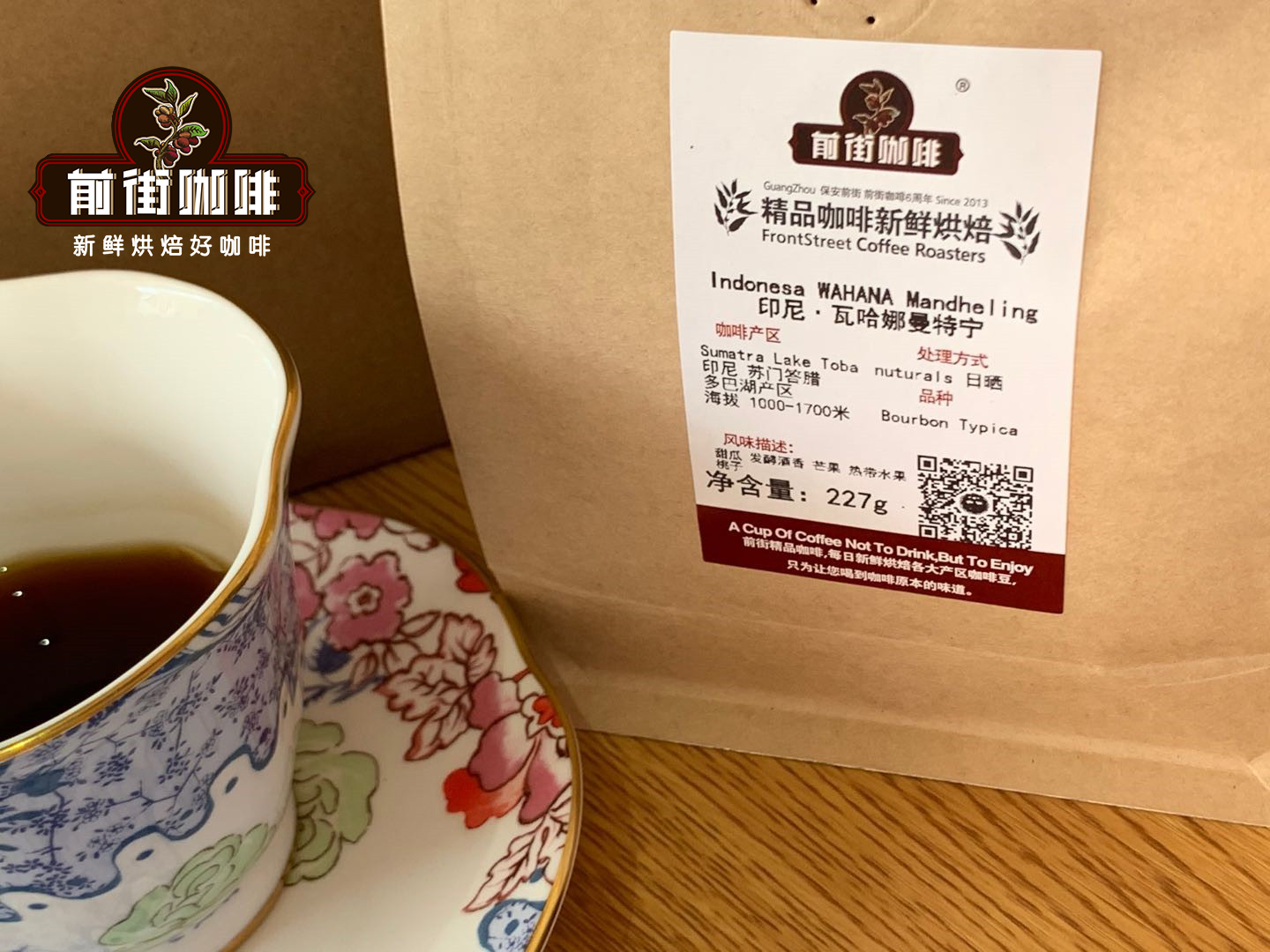
Besides the standard wet-hulled method, the aged wet-hulled method uses 2-3 years of warehouse maturation, gradually converting acidity into sweetness, turning the color dark brown and making the flavor richer. The Wahana Estate sun-dried Mandheling, by contrast, takes the opposite approach, using the more difficult natural (sun-dried) process, challenging tradition in a rainy environment and bringing a new experience of tropical fruit and fermented aromas.
[Flavor Analysis of the Four Classic Mandhelings]
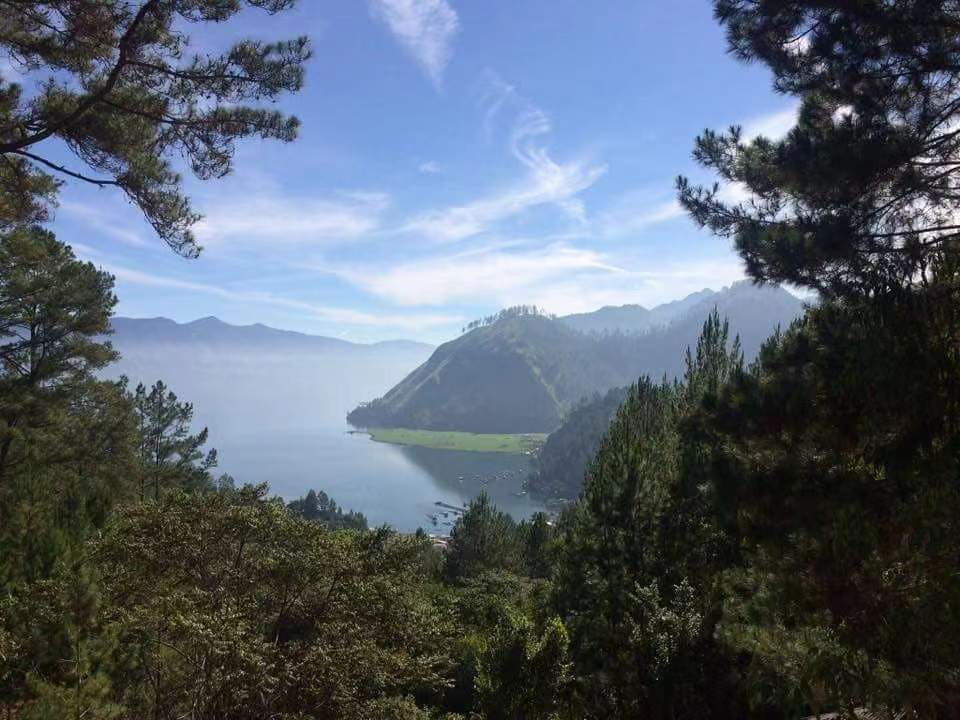
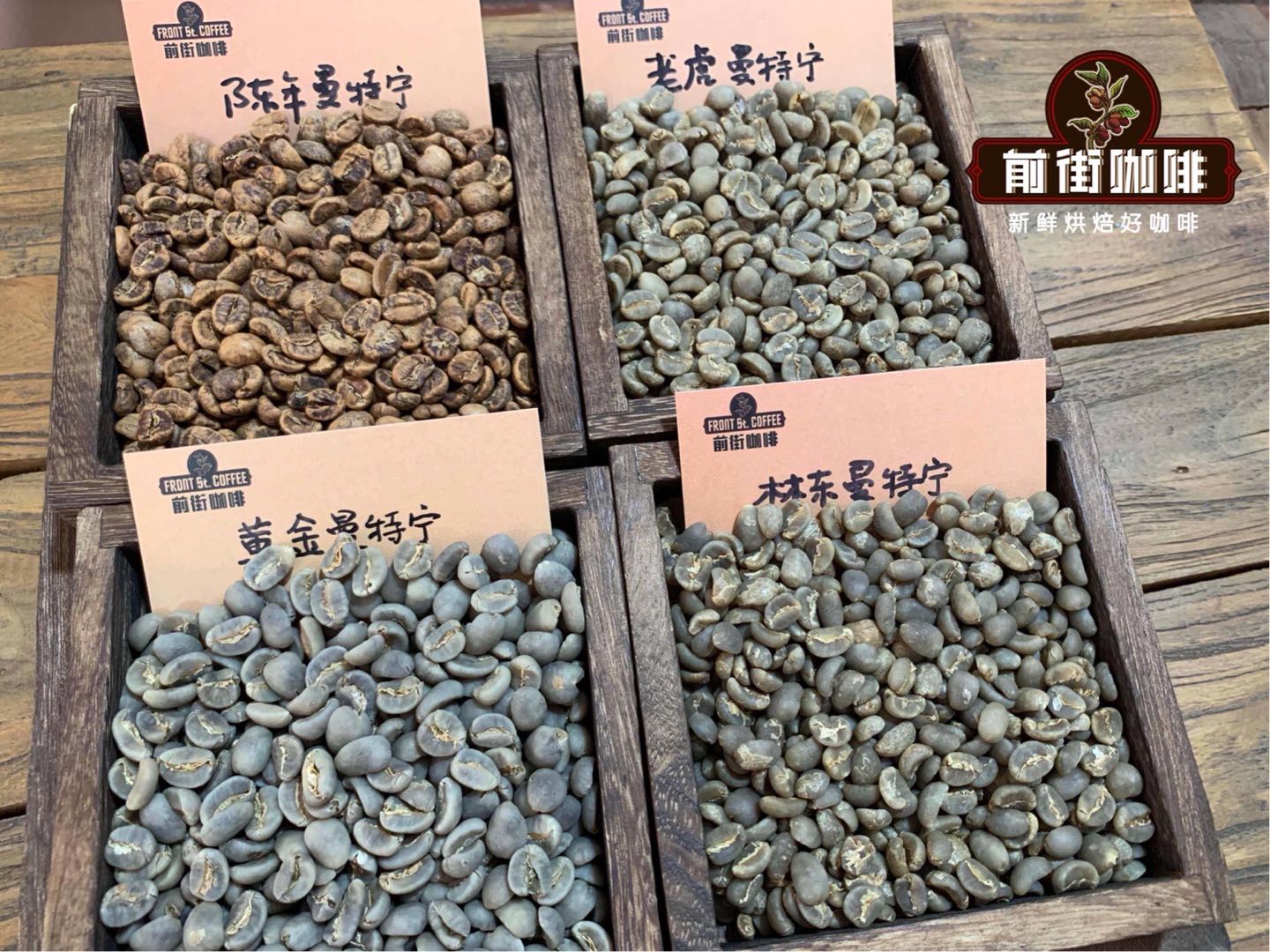
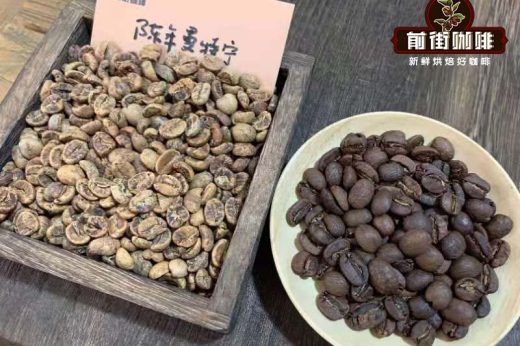
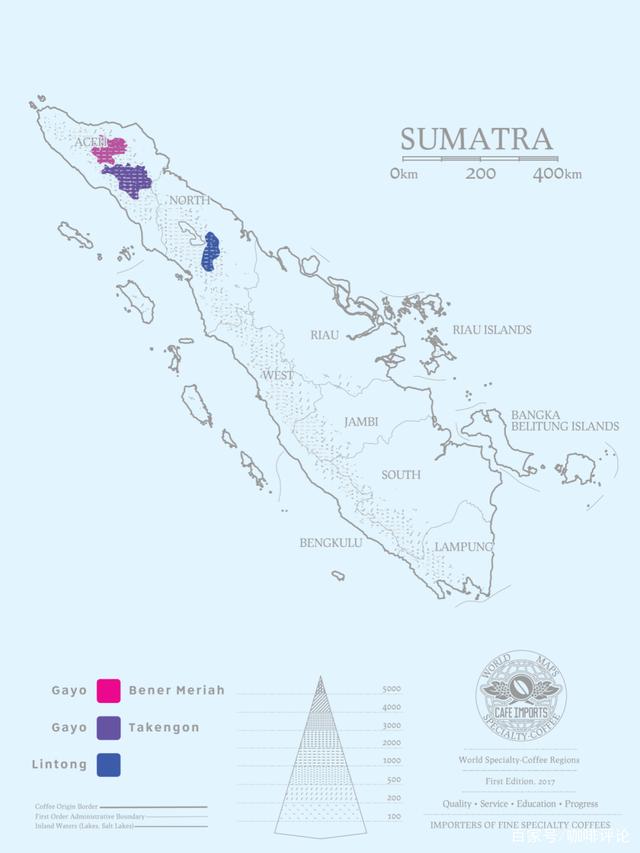
Lintong Mandheling comes from the mountains around Lake Toba and uses the standard wet-hulled method, showing the classic low-acid, high-body character. Its flavor is mainly herbal, chocolate and caramel, with excellent balance, making it the first choice for getting to know Mandheling. Note the "goat's hoof bean" phenomenon in the green beans; this is a normal indentation caused by wet-hulling.
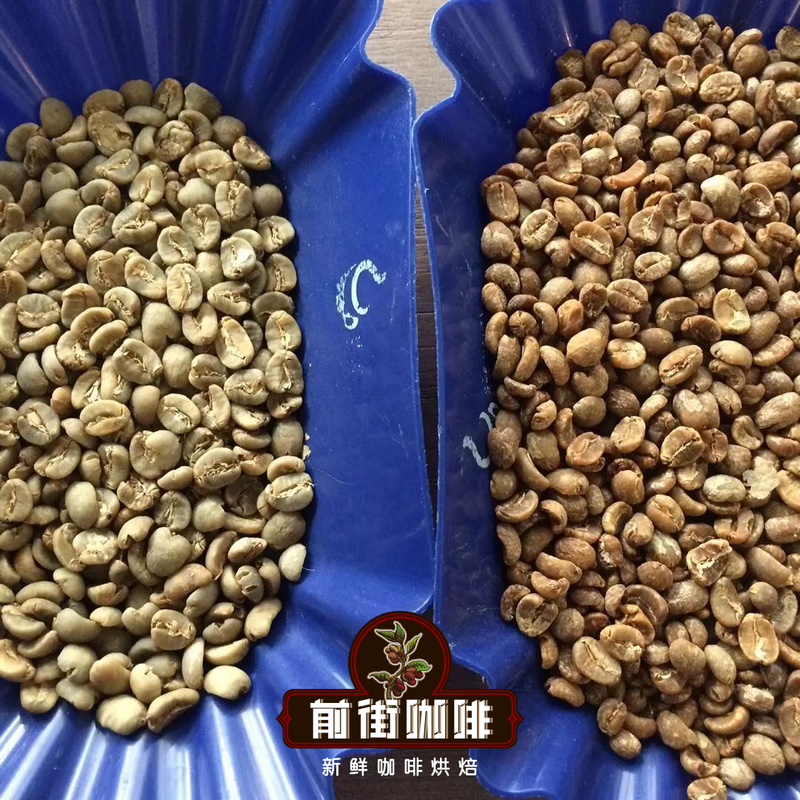
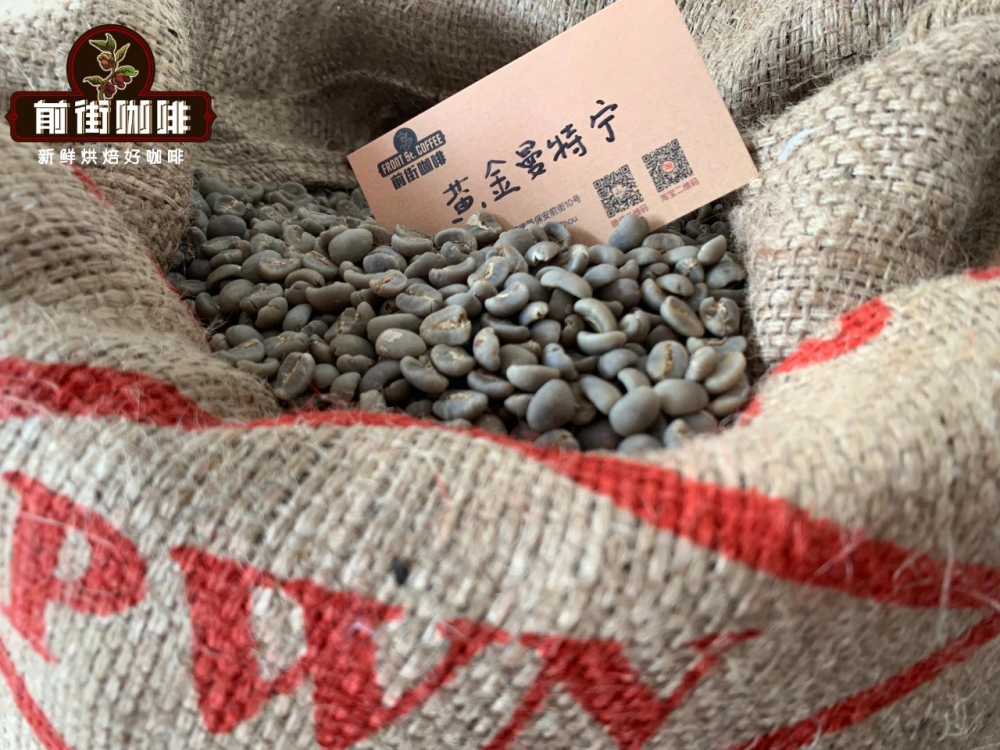
Gold Mandheling comes from the Lake Tawar area of Mount Gayo and is known for its strict standards of large screen size of 18+ and a defect rate below 3/300g. After fine screening, its flavor is clean and bright, with distinct layers of nuts, spices and caramel and outstanding sweetness. Interestingly, the green beans of this variety often show a unique blue-green color due to iron deficiency in the soil.
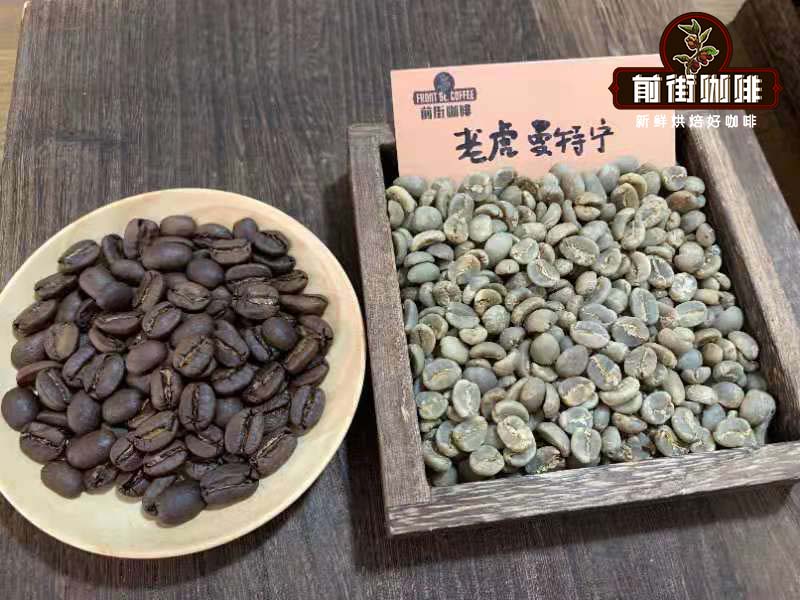
Tiger Mandheling is named after the Tiger Estate in Aceh Province and requires bean shape of screen size 17+ and a defect rate below 4%. Its biggest feature is a rich traditional Chinese herbal medicine aroma, accompanied by the richness of cream and dark chocolate; the sweetness is distinct and the cleanliness high, suitable for drinkers who prefer Eastern notes.
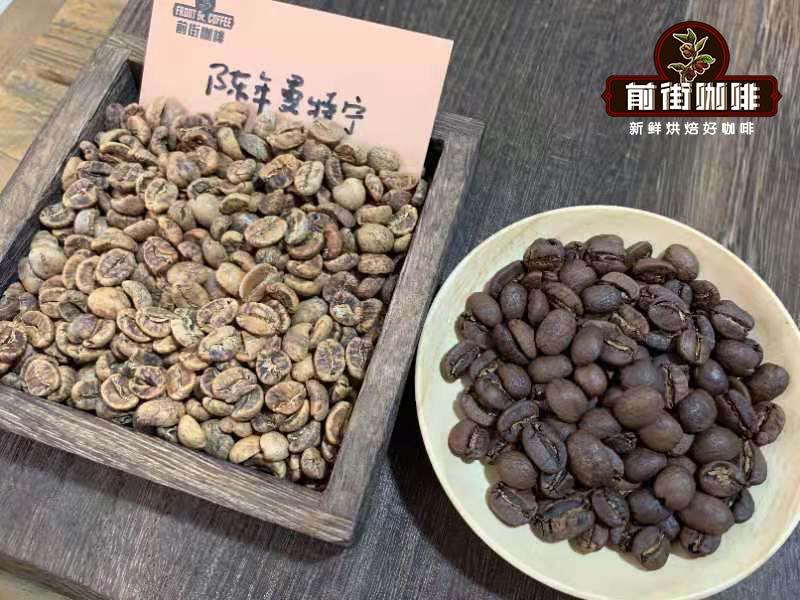
Aged Mandheling requires 2-3 years of professional storage, turned regularly in a cool, ventilated environment. This process softens the acidity and concentrates the sugars, ultimately presenting an aged aroma like ripe Pu'er, paired with caramel and herbal notes; the acidity is very low, suitable for connoisseurs who like a heavy body.
[A Special Member: Wahana Sun-Dried Mandheling]
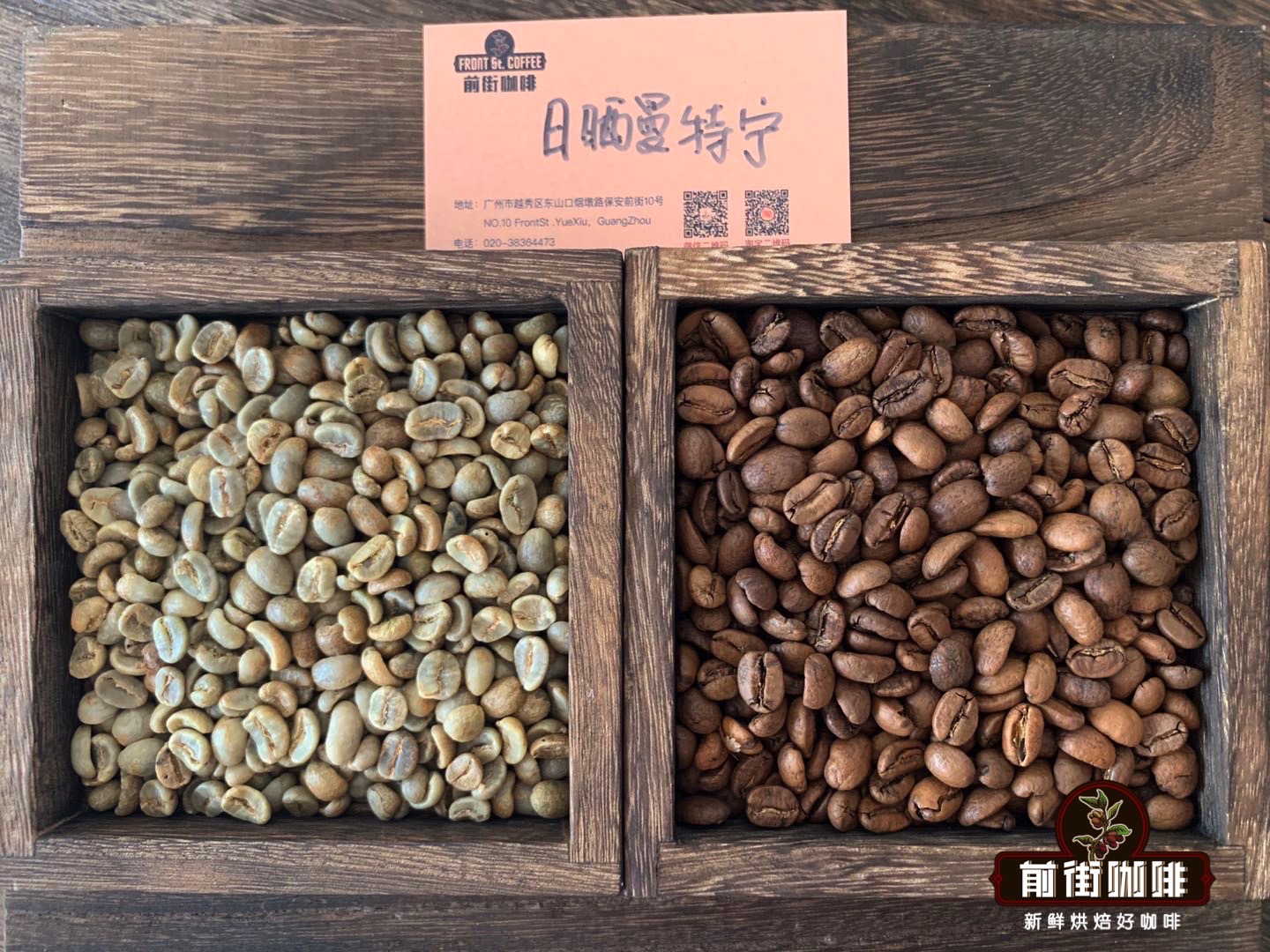
In Sumatra, where wet-hulling dominates, Wahana Estate boldly adopts the natural process. Despite the challenges of the local rainy climate, precise temperature control and regular turning successfully preserve the lively acidity of the Bourbon and Typica varieties, layered with a tropical fruit fermentation note, forming a unique style that is balanced between sweet and sour with a smooth mouthfeel.

[A Professional Guide from Roasting to Brewing]
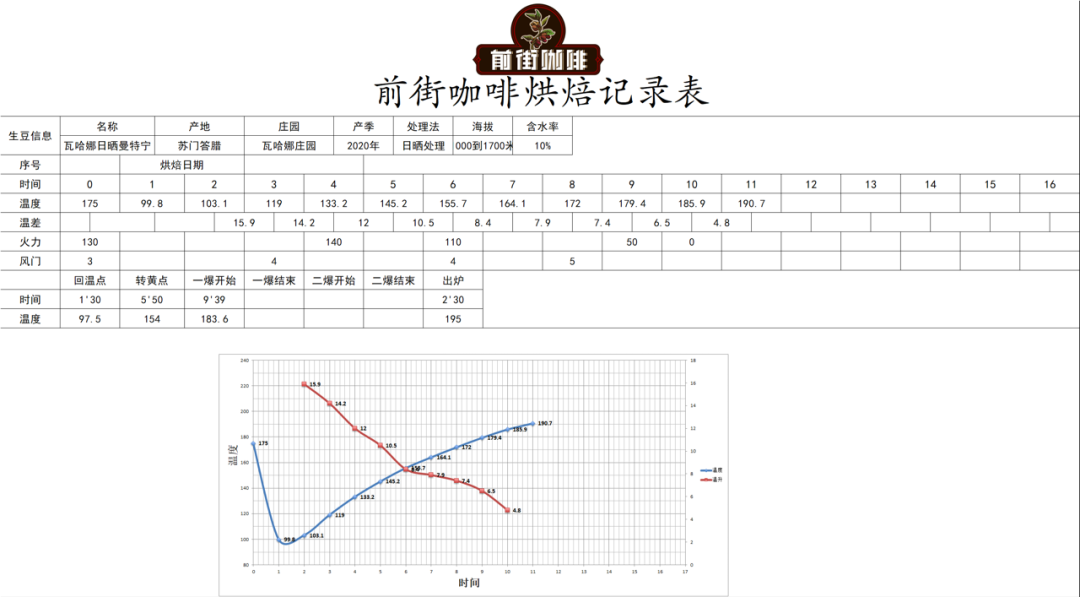
Mandheling coffee is usually recommended at medium-dark roast (30-60 seconds of development after first crack) to balance excessive acidity and enhance body. Typical roasting parameters are: charge temperature 200°C, turning point 147-148°C (about 5 minutes 18 seconds), first crack 186-191°C (about 9 minutes), drop temperature 202-204°C. Sun-dried Mandheling, due to the lower density of the green beans, requires lowering the initial temperature to 175°C and delaying the turning point to 154°C.
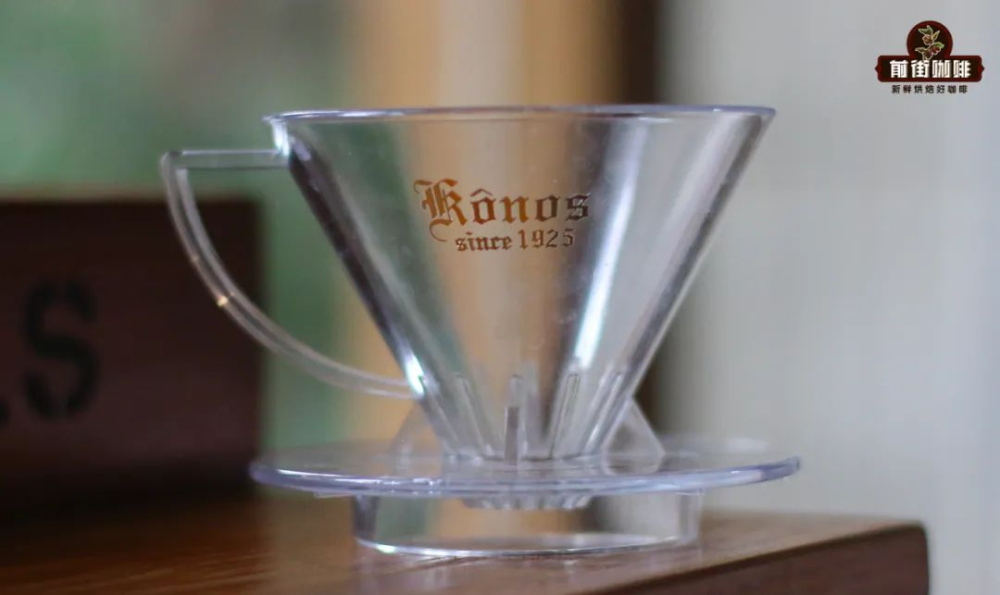
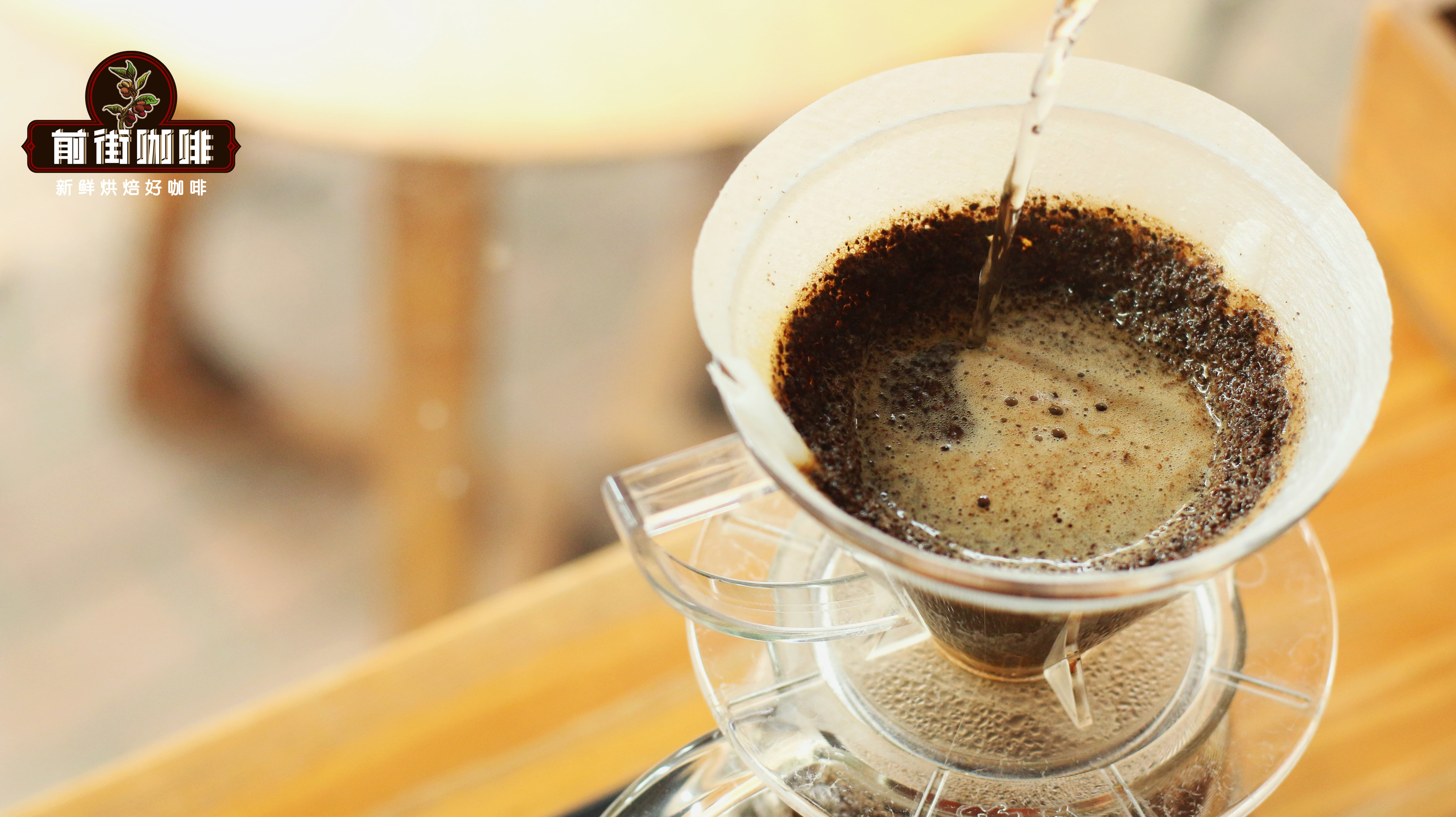
For pour-over, the Kono dripper is recommended (86°C water temperature, 1:15 coffee-to-water ratio, grind size with 70-75% passing through a No. 20 sieve). Staged extraction steps: bloom with 30 grams of water for 30 seconds, pour in a small stream in circles to 125 grams, then pause; when the water level drops to the coffee bed, continue pouring to 225 grams; total extraction time 2 minutes 10 seconds. This method improves extraction uniformity by extending the immersion time, avoiding the bitter finish common in medium-dark roasted beans.
The flavor wheel shows: Lintong Mandheling is mainly a balance of herbs and caramel; Gold Mandheling presents the refinement of nuts and spices; Tiger Mandheling highlights herbal medicine aroma and dark chocolate sweetness; Aged Mandheling is known for low acidity and full body; and sun-dried Mandheling brings tropical fruit vibrancy. Whichever style you prefer, Sumatra Mandheling can open a new dimension of specialty coffee for you.