Mandheling Coffee Explained: Aged Beans, Wet Hulling, Pour-Over and Flavor Guide
Introduction: Explore the diverse appeal of Mandheling coffee, from Sumatra's classic growing regions to the unique craft of aged processing, and the flavor characteristics of well-known varieties such as Golden Mandheling and Tiger Mandheling. This article provides professional pour-over parameters, roasting suggestions and flavor comparisons to help you precisely choose and brew the Mandheling flavor you desire.
Sumatran coffee often uses the endangered Sumatran tiger as its packaging image—this species, found only on the Indonesian island of Sumatra, has a wild population of about 400-500, with habitats ranging from lowland forests to high mountain areas. The Mandheling coffee produced on this island is one of Indonesia's most representative coffee types, with flavors and processing methods full of regional character.
Sumatra's main coffee-producing areas are concentrated in the south, including Medan, Lake Toba and the Lintong region, the core origin of traditional Mandheling. The Lintong region sits at 1,100-1,600 meters, mainly growing Typica and Caturra varieties, processed with Indonesia's distinctive wet-hulling method. Local processing plants have recently tried natural and semi-natural processes, significantly improving the coffee's cleanliness and complexity.
Wet-hulled Lintong Mandheling shows typical baked toast, nut and pine notes, accompanied by caramel and herbal aromas. Its beans are plump and often mistaken for pure Arabica, despite occasional rumors in recent years of Robusta hybrids. In contrast, Golden Mandheling comes from the same elevation area of Mount Gayo in Aceh, selected from G1-grade beans (defect rate ≤3/300g), triple hand-sorted to ensure uniform size; the dark green flat beans carry spice and chocolate flavors imparted by dark roasting, with more pronounced sweetness.
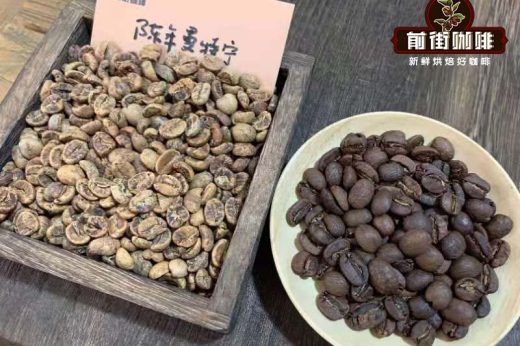
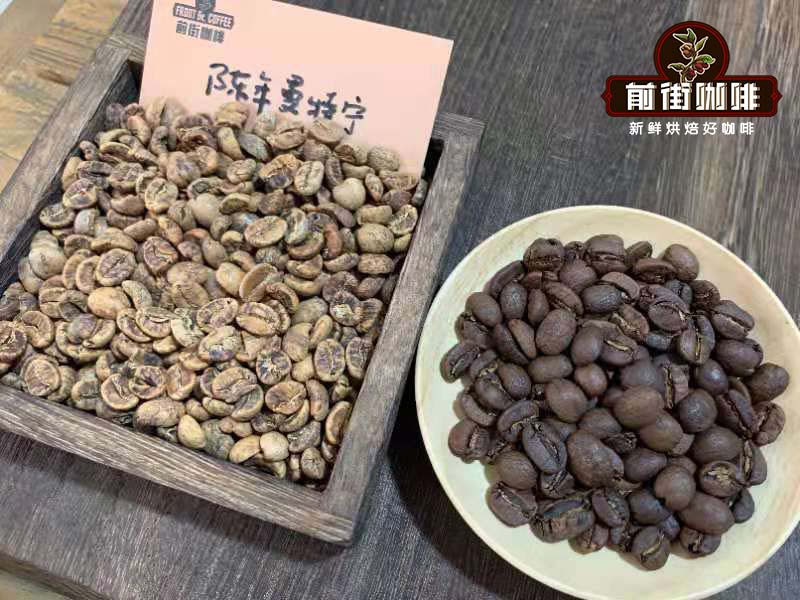
Tiger Mandheling grows at 1,500 meters, a mix of Caturra, Typica and Sidikalong varieties, with wet hulling highlighting a balance of nuts, cream and dark chocolate. Aged Mandheling, through long-term warehouse transformation, gradually evaporates moisture and is influenced by sea breezes, developing a mellow texture similar to Pu-erh tea; woody notes and malt aroma replace the sharp acidity of traditional Mandheling, with caramel and herbal sweetness in the finish.
The aging process originated from early Indonesian logistics constraints—coffee beans naturally dried after months of sea shipping, unexpectedly developing a unique flavor. Modern practice deliberately imitates this process, requiring strict control of temperature and humidity, usually with 1-3 years of storage. Notably, Mandheling is mostly dark-roasted, both to mask possible defects from wet hulling and to suit the intense taste preferred in the Japanese market.
The rare Lake Toba natural Mandheling comes from the Wahana estate at 1,000-1,700 meters; Bourbon and Typica varieties, medium-light roasted, show tropical fruit notes. Fruit acidity and fermented aromas are prominent, suited to drinkers who prefer bright flavors.

Professional pour-over suggestions:
• Wet-hulled Mandheling (dark roast): Use a KONO or cloth filter, water temperature 86-88°C, grind slightly coarser than for light roasts (e.g. Fuji Royal 4), coffee-to-water ratio 1:13-1:14. Recommended parameters: 30-second bloom, then staged pouring to 225g, total time 2 minutes.
• Natural Mandheling (medium-light roast): Use a V60#01 dripper, water temperature 90°C, grind close to granulated sugar (80% passing a No. 20 sieve), three-stage pouring, extraction 2 minutes 10 seconds.

Flavor comparison:
• Golden Mandheling: clean and balanced, nutty-chocolate base with lasting sweetness
• Lintong Mandheling: herbal and dark chocolate herbal base
• Tiger Mandheling: creamy texture balancing nuts and dark chocolate
• Aged Mandheling: low acidity and mellow, with the mature charm of aged Pu-erh
• Natural Mandheling: tropical fruit acidity and smooth mouthfeel