Starbucks Kenya Coffee Beans: Washed Processing and Summer Iced Coffee Guide
Introduction: Kenya coffee is known worldwide for its bright fruit acidity and complex layers, and Starbucks has sourced beans from this origin for over 40 years. This article explains the washed processing of Kenya beans, their signature blackcurrant and citrus flavors, and why they are especially suited to iced coffee. From growing altitude to brewing suggestions, here is a complete look at this popular summer offering.
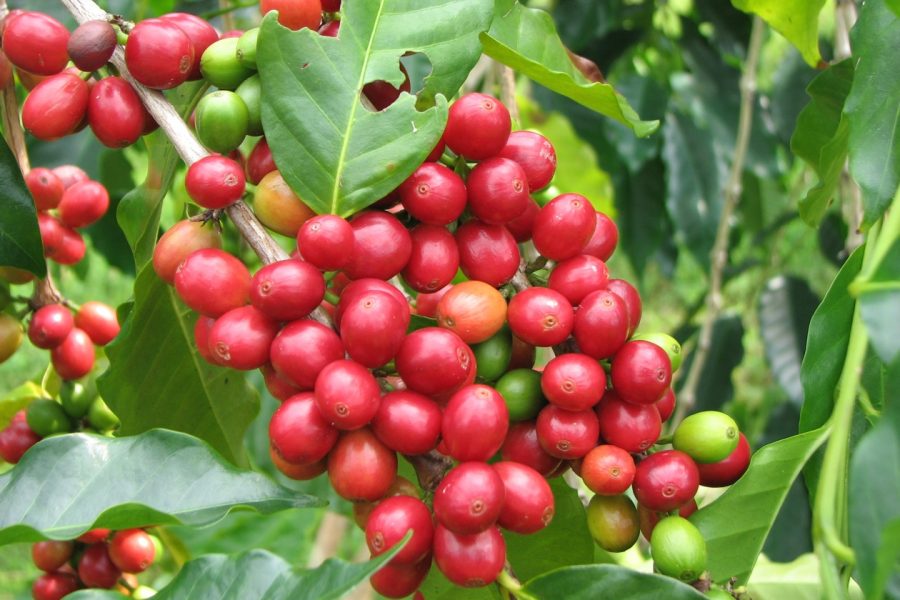
As an important origin in the global specialty coffee market, Kenya's coffee beans have long been professionally recognized for their full fruit character and bright acidity. Starbucks has purchased Kenya coffee for more than 40 years, and its beans have consistently maintained a high level of quality stability. The variety's most striking characteristic is an intense blackcurrant and fresh blackberry acidity, accompanied by grapefruit-like citrus notes, forming a highly recognizable and refreshing flavor combination.
Kenya coffee is mainly grown in the country's central and southern highlands, generally at altitudes of 1500-2100 meters. The high-altitude environment produces a slower fruit-ripening process, allowing the beans to accumulate richer sugars and aromatic compounds. The locally distinctive SL28 and SL34 varieties naturally possess excellent disease resistance and flavor expression, and are one of the key factors behind the unique flavor of Kenya beans.
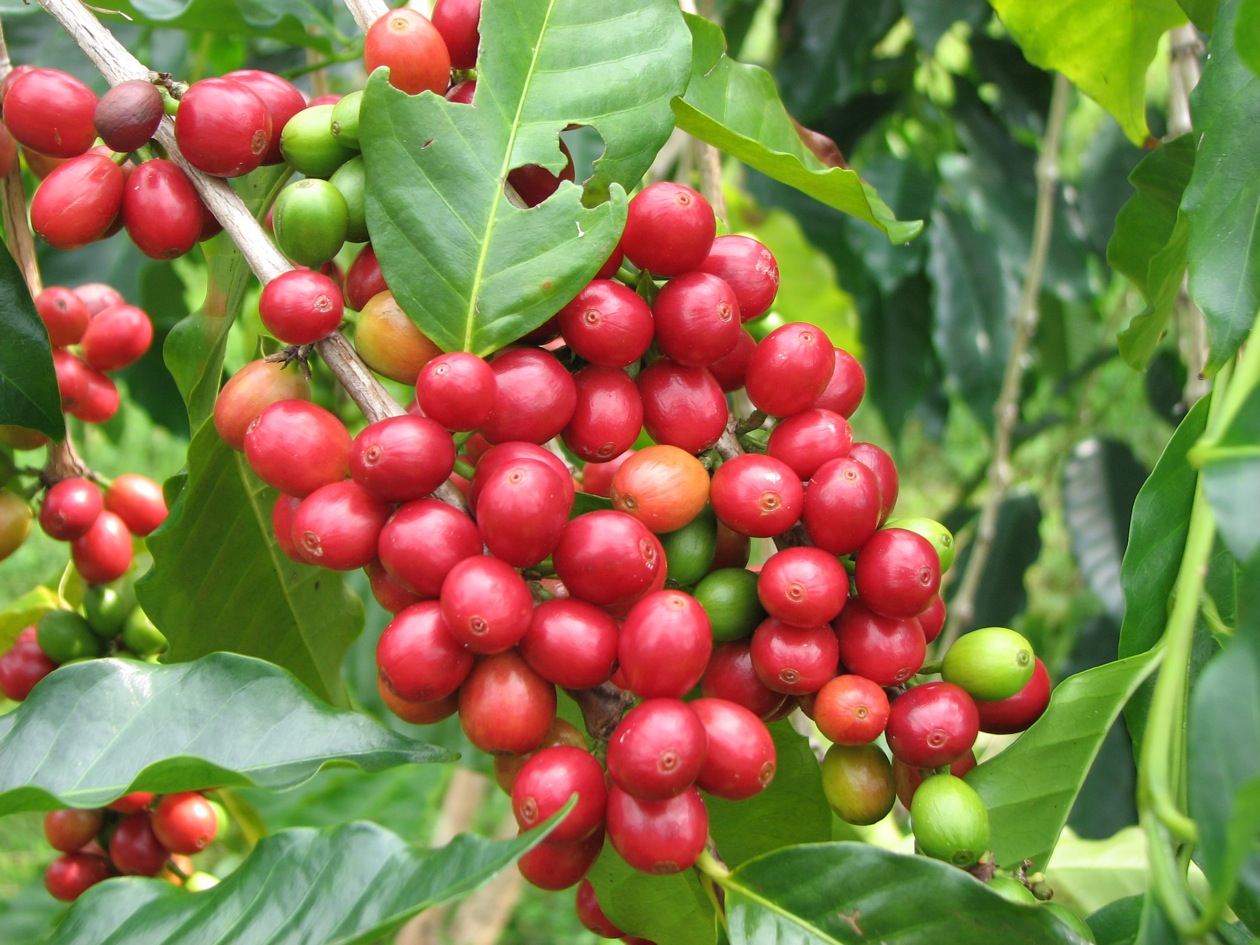
The region generally uses a refined washed process, removing the mucilage layer through strict fermentation and washing. This method effectively strengthens the coffee's cleanliness and bright acidity while preserving the natural sweetness from the fruit pulp. After 24-36 hours of fermentation, the beans are rinsed multiple times in running clean water and finally dried on African raised beds; the entire process usually takes 10-14 days to reach the ideal moisture content.
In terms of flavor, Kenya coffee centers on grapefruit-like citrus acidity, layered with dark berries such as blackberry and currant. The finish often carries the sweetness of raisins and a subtle tartaric acidity, with excellent overall balance. These qualities allow it to maintain a good flavor structure even after cooling, making it especially suitable for cold brew or iced drip coffee. When drunk in summer, the citrus notes become more prominent when chilled, delivering a refreshing experience similar to freshly squeezed juice.
For food pairings, the bright acidity of Kenya beans balances sweetness and richness well. Berry desserts, lemon tarts, or citrus-flavored cheesecake are ideal combinations. For brewing, a medium-fine grind is recommended, with water temperature controlled in the 90-93°C range; for pour-over, the bloom time can be extended appropriately to fully bring out the fruit aromas. For espresso, a recipe with a slightly lower milk ratio is recommended to highlight its own complex flavor layers.
It is worth noting that Kenya coffee's harvest season is concentrated from October to February each year, and microclimate differences between batches lead to subtle flavor variations. Professional roasters usually adjust the roast profile according to the characteristics of the season's green beans, and consumers can look for the harvest year information on the packaging when buying. For enthusiasts seeking freshness, products with a roast date within 1-4 weeks are recommended, when the acidity and aroma are at their most active.


