Washed vs Natural Coffee Processing: Flavor Differences and Methods
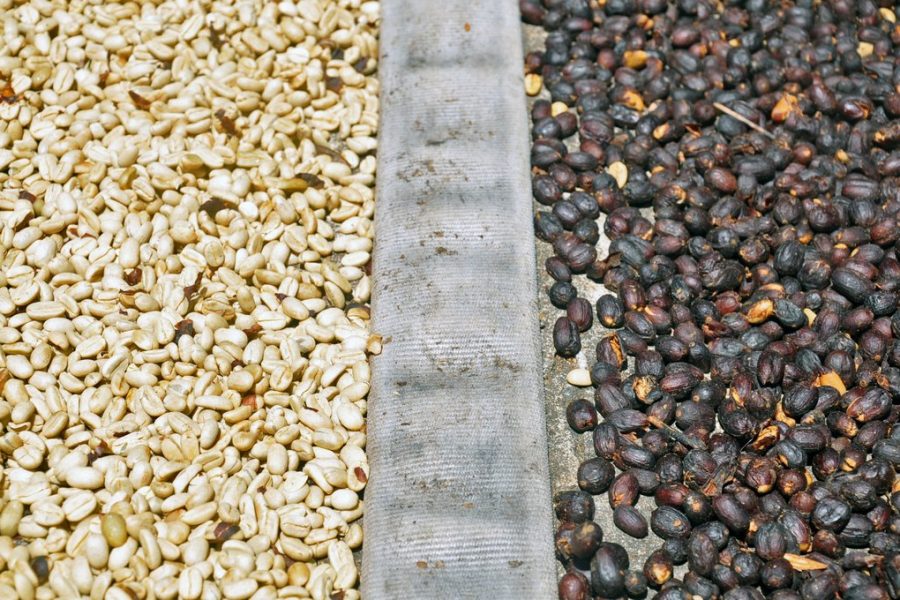
Introduction: The processing method of coffee beans directly affects the final flavor. Of the 8.4 billion kilograms of coffee produced globally each year, natural and washed are the two most common processing methods. This article provides an in-depth comparison of the core differences between these two techniques, detailing the complete processing flow from coffee cherry to green bean, including key step parameters, flavor characteristics, and common misconceptions, to help coffee enthusiasts choose the right beans for their brewing needs.
Global annual coffee production reaches 8.4 billion kilograms, and besides variety, origin, and cultivation methods, processing is a crucial factor affecting coffee flavor. As two classic processing methods, natural and washed give coffee distinctly different flavor characteristics.
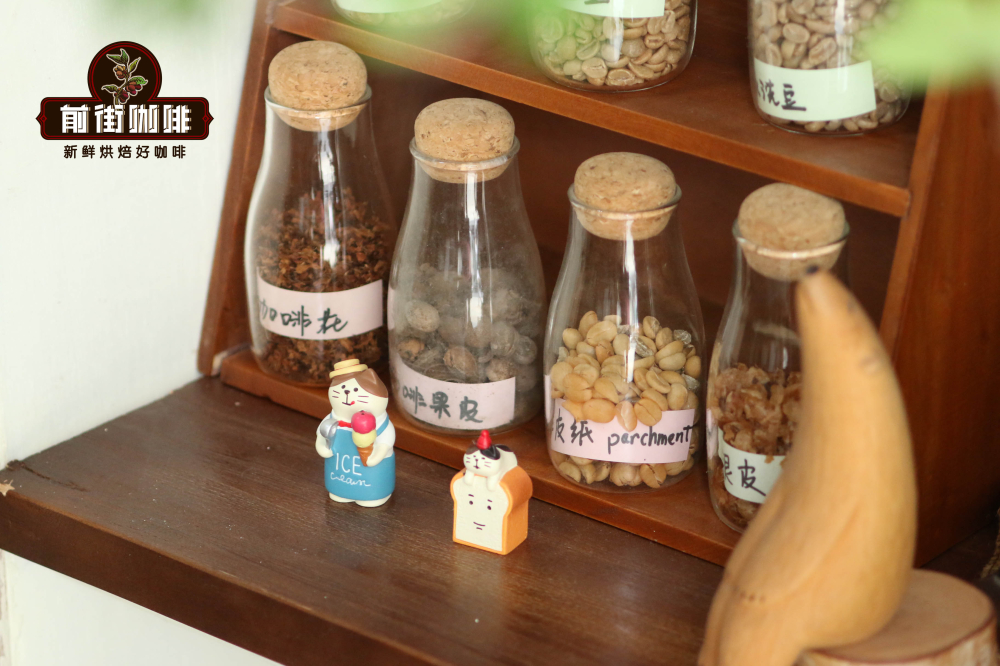
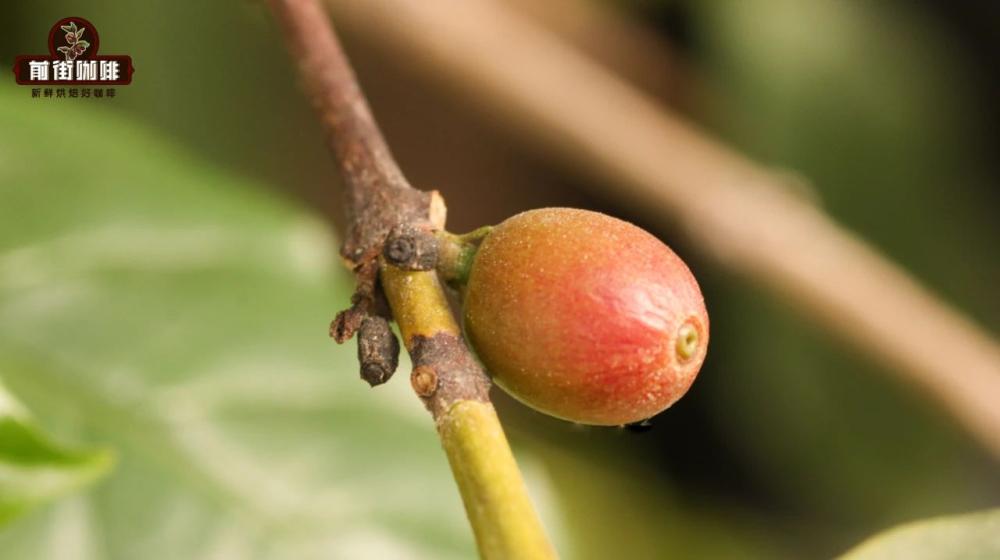
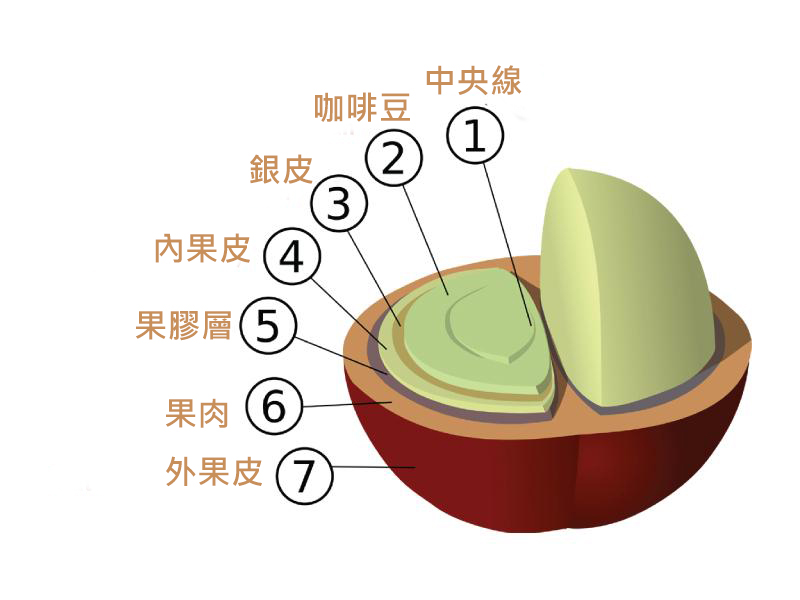
The coffee fruit, commonly called the coffee cherry, turns yellow or red when ripe and resembles a small cherry. What we call coffee beans are actually the seeds inside the fruit. A complete coffee fruit consists of the outer skin (exocarp), pulp (mesocarp), pectin layer, parchment (endocarp), silver skin, and seed. The core of processing is to gradually remove these outer layers to finally obtain clean green coffee beans.
The three most common processing methods include natural, washed, and honey. The washed method is known for its clean, bright acidity, and the processed beans have a uniform appearance and excellent visual appeal. In contrast, the natural method, by retaining more pulp for fermentation, gives coffee a richer fruity aroma and complex layers of sweetness.
Coffee beans are actually the endosperm, or seed, wrapped in silver skin. The silver skin is a thin film like rice paper that naturally falls off during roasting. The parchment resembles paper when dried, and the pectin layer is rich in sugars and is a key part affecting flavor. The outer skin is relatively tough, mostly red when ripe, though yellow and orange varieties also exist.
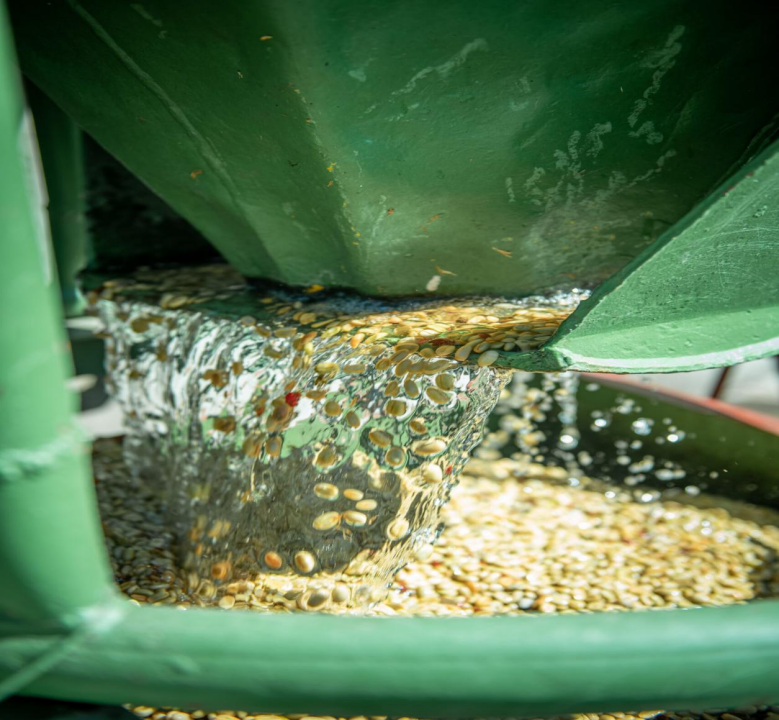
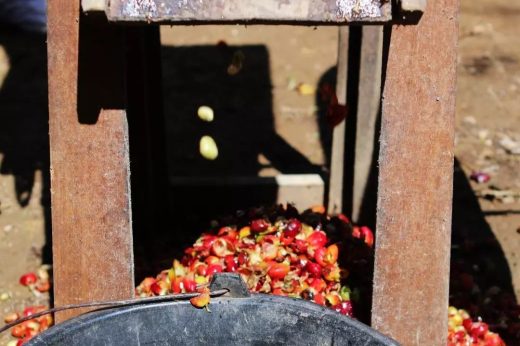
The washed method removes the pectin layer through precise control of the fermentation process. The entire flow includes six key steps: first, the coffee fruit is poured into a water tank, and underdeveloped floating beans are removed; next, a pulper separates the outer skin and pulp; then comes the fermentation stage, where microorganisms break down the pectin; afterward, residues are thoroughly washed off; finally, moisture is reduced to 10-14% by machine or sun drying, and a huller removes the parchment and silver skin.
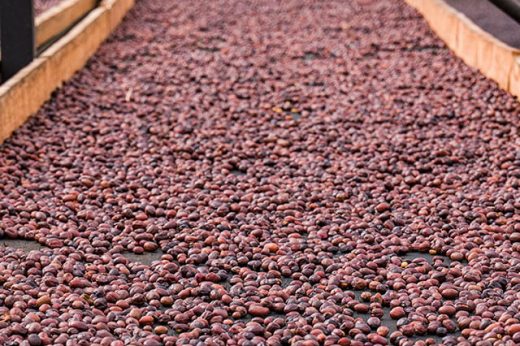
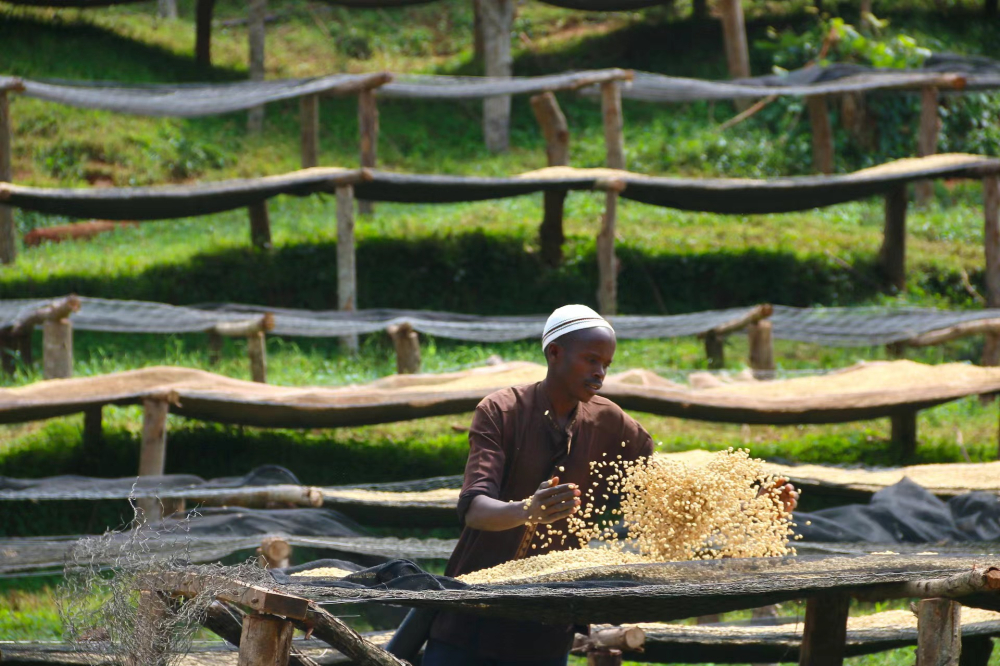
The detailed washed process is as follows: the first step is removing floating beans—ripe fruits sink to the bottom of the tank, while underdeveloped floating beans are skimmed off. The second step uses a pulper to remove the outer skin and pulp while retaining the pectin layer. The third step is the core fermentation stage, where microbial activity softens the pectin, typically taking 24-72 hours. The fourth step requires large amounts of clean water to rinse off all fermentation residue. Finally, moisture is controlled to the ideal range by mechanical drying (1-2 days) or sun drying (3-16 days), and a huller completes the final processing.
The main advantages of this method are: an indoor operating environment ensures minimal impurities and stable quality; removing the pulp early avoids mold risk; and the processed beans have an intact appearance and outstanding visual appeal. But the disadvantages are also obvious: the complex process leads to higher costs; each kilogram of coffee beans consumes 40-50 liters of clean water, making it difficult to implement in water-scarce regions.
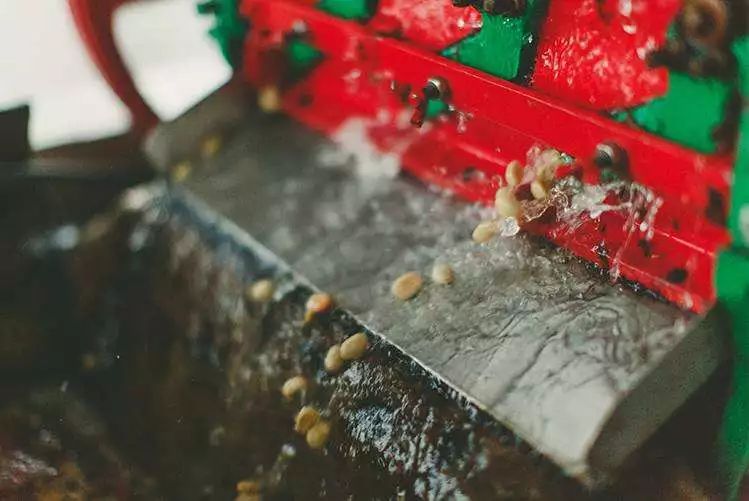
The typical flavor profile of washed coffee is bright acidity and clear fruity notes, with a clean mouthfeel free of off-flavors. The fermentation process significantly affects the final flavor, which is why specialty coffee enthusiasts need to pay special attention to the processing method.
Two typical examples illustrate this: a washed bean from a Kenyan region used a 72-hour three-stage fermentation with local river water at constant temperature, ultimately presenting strong acidity and a delicate mouthfeel with the juiciness of smoked plum and cherry tomato. Another washed heirloom bean from a high-altitude Ethiopian region showed citrus and black tea top notes, gradually revealing creamy and caramel finish as the temperature dropped.

It should be noted that even with the same processing method, factors such as origin, altitude, and variety can still cause significant flavor differences. When choosing coffee beans, it is recommended to combine personal taste preferences and find the processing method combination that suits you best through small-batch trials.