Yirgacheffe Worka G1 Washed Beans: Pour-Over Flavor and Grade Guide
Introduction: A deep dive into the core characteristics of G1-grade washed coffee beans from the Worka washing station in the Gedeb region of Yirgacheffe, Ethiopia—from altitude and varieties to flavor layers. This article not only provides professional-level flavor descriptions and processing details but also includes suggested pour-over parameters and buying tips for beginners, helping you precisely grasp this classic highland coffee's bright acidity and floral-fruity character.
Located on the southeastern border of Ethiopia's Oromia region, the Gedeb area lies about 40 kilometers from the well-known town of Yirgacheffe, with altitudes steadily between 1,900 and 2,000 meters (some micro-areas reach 2,100 meters). The land here is covered with mineral-rich volcanic soil; its distinctive crumb structure both retains moisture and releases nutrients gradually, providing an ideal environment for coffee trees to grow.
Although Yirgacheffe is often mentioned on its own, it is in fact the most representative sub-region of Sidamo—its distinctive citrus notes and floral character led the International Coffee Organization to certify it independently in the late 20th century. Besides the core town of Yirgacheffe, three surrounding sub-regions—Wenago, Kochere, and Gelena/Abaya—together form this flavor golden belt, and Gedeb is one of its highest-altitude and most consistently high-quality micro-regions.
Focusing on the G1-grade washed beans produced by the Worka washing station (Gotiti Washing Station), all of its raw material comes from local native heirloom varieties. Though these varieties, naturally selected over centuries, have no unified scientific name, they inherently possess bright acidity and a complex aromatic foundation thanks to adapting to high-altitude conditions.This lot's cupping score reaches the international specialty standard of 80 points or above, with high green-bean density and a defect rate below 3%; these hard indicators directly determine the cleanliness and layering in the final brew.
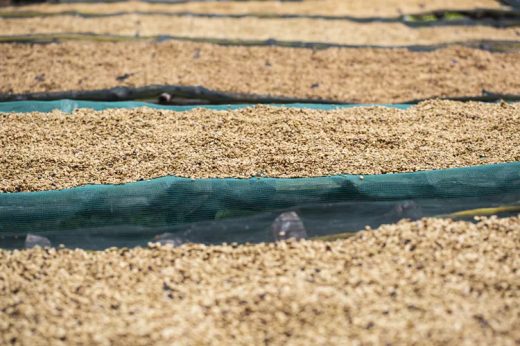
 In terms of processing, Worka uses the traditional Ethiopian washed method: after picking, fully red cherries are floated to remove unripe beans, then fermented in fermentation tanks for 18-24 hours with controlled temperature (water kept at 20-22°C), after which the mucilage is stripped through repeated washing in terraced channels. Particularly noteworthy is that the station uses soft water from an upstream mountain spring for processing, effectively reducing mineral interference with fermentation—one of the key factors behind its signature pure citrus notes.
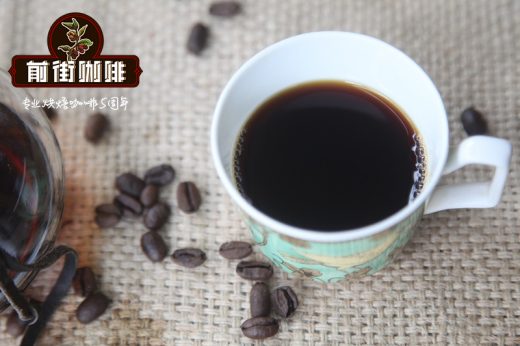
In the cup, this G1 washed bean shows the typical character of a highland sun-dried region—on the entry you first catch clear white peach sweetness and white floral aromas (such as gardenia or jasmine), the middle turns to distinct citrus acidity (like blood orange or lemon peel), and the finish carries the bergamot note characteristic of Earl Grey tea with a slight caramel sweetness.The body is medium to full, smooth on the palate, with a thickness between Ethiopian natural and Kenya AA; its overall balance makes it very suitable for pour-over coffee.
For home brewing enthusiasts, a V60 or Kalita Wave dripper is recommended, with a coffee-to-water ratio of 1:15 to 1:16 and a grind size equivalent to fine granulated sugar (about 70% passing a Chinese standard No. 20 sieve). A water temperature of 90-92°C is suggested for light-to-medium roasts, using a three-stage pour: first pour 30% of the total water for a 30-second bloom, then pour in circles until 125% of the water amount and pause for 30 seconds, and finally pour slowly up to the target water amount. This approach effectively highlights its floral-fruity character without amplifying defective acidity.
 It should be specially noted that the Yirgacheffe region has a strict internal grading system—G1 represents the highest grade, with no more than 3 defective beans per 300 grams of green coffee, while G2 (no more than 9 defective beans) is commonly found in commercial channels. When buying, consumers should look for packaging bearing the official Ethiopia Commodity Exchange (ECX) grading mark and give priority to products labeled with the specific washing station name, as such lots usually have more distinctive flavor than cooperative blends.