Natural Process Coffee Beans: Full Guide and Unique Pour-Over Picks
Introduction: This article explains in detail the common natural processing method for coffee beans, including its principles, advantages and disadvantages, and flavor characteristics, while also taking a closer look at the refined natural process workflow. It also recommends several specialty natural coffee beans with distinct flavors, offering coffee lovers a practical reference for choosing beans for pour-over and helping you find the flavor you love.
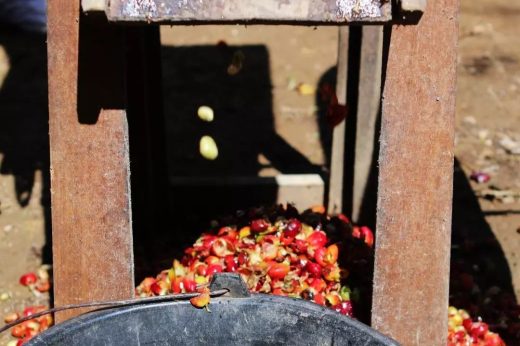
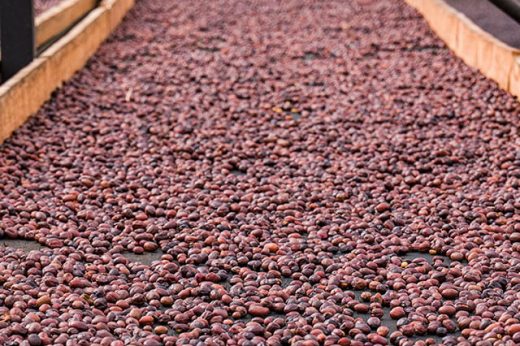
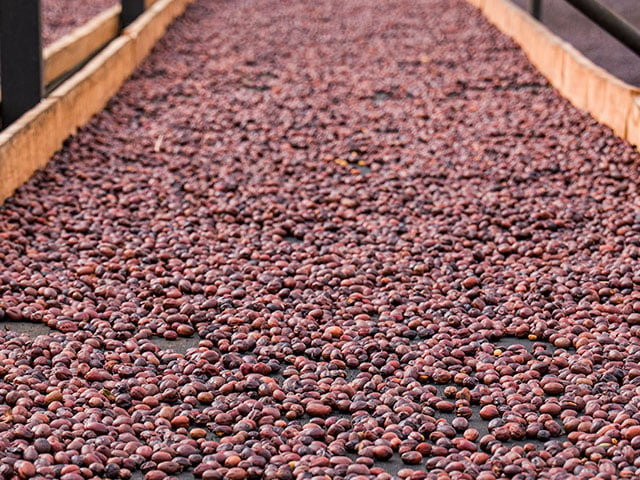
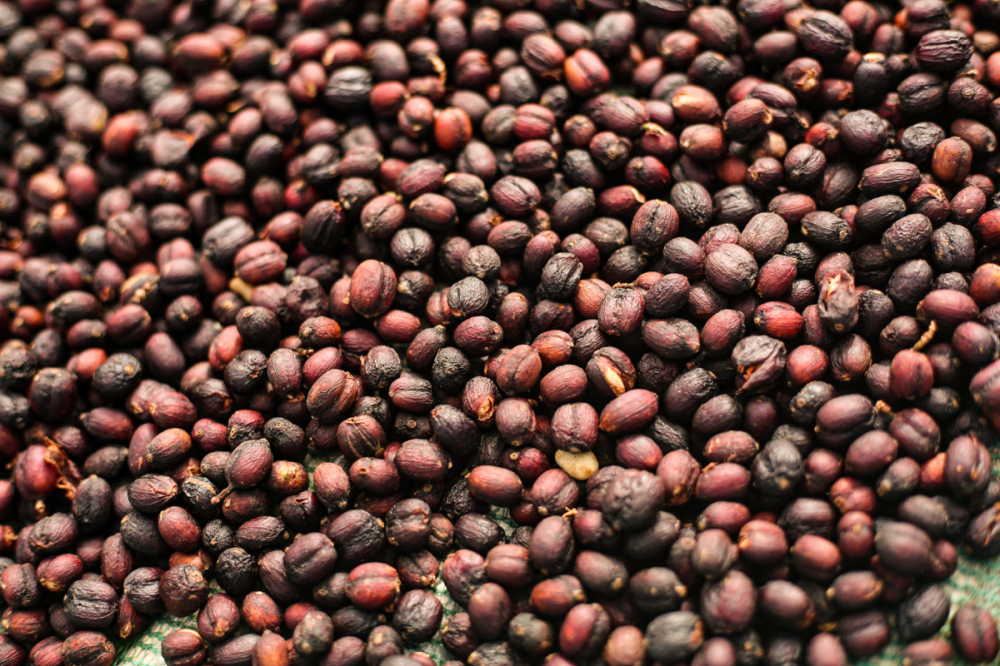 The natural process, simply put, uses the power of the sun to process coffee cherries. Red coffee cherries are placed in the sun to dry, a process that usually lasts about a week, though weather and other special circumstances may adjust the time accordingly. Once the skin and pulp of the coffee cherries have dried and turned dark, a hulling machine removes the skin and pulp, and finally defective beans are sorted out, completing the entire natural process.
The natural process has the advantage of low cost; it requires no additional site rental fees and is a very old and traditional method of processing coffee beans. However, it also has some disadvantages that cannot be ignored. On one hand, it requires a fairly large area for drying the coffee beans; on the other hand, in regions where rain is common, this method is not suitable. In addition, because it is difficult to precisely control the drying level of every single bean, rougher natural batches may contain a relatively higher number of defective beans. In terms of flavor and mouthfeel, during the natural process the pulp undergoes a certain degree of fermentation, which gives naturally processed coffee beans a typically intense fruity and winey aroma with relatively lower acidity.
 The refined natural process involves much more careful steps than traditional simple sun drying. Taking Yirgacheffe as an example, first the red coffee cherries are freshly picked, then carefully sorted by hand to remove defective, overripe, or insect-damaged beans, keeping only high-quality beans. Next, the selected good beans are sent to a drying site for drying. Different producing regions use different drying racks—some use tarpaulins, some use raised beds, and the most common is the African drying bed. The drying process usually lasts 27–30 days, until the coffee turns dark purple and the moisture content drops to 11%, at which point drying is complete. Yirgacheffe processed with such refined natural methods tastes more intense and layered, with winey fermented notes and higher sweetness.
For consumers who want to buy natural coffee beans, it is advisable to prioritize specialty roasters with quality assurance. These roasters usually have stricter standards and rich experience in bean selection, roasting, and other stages.
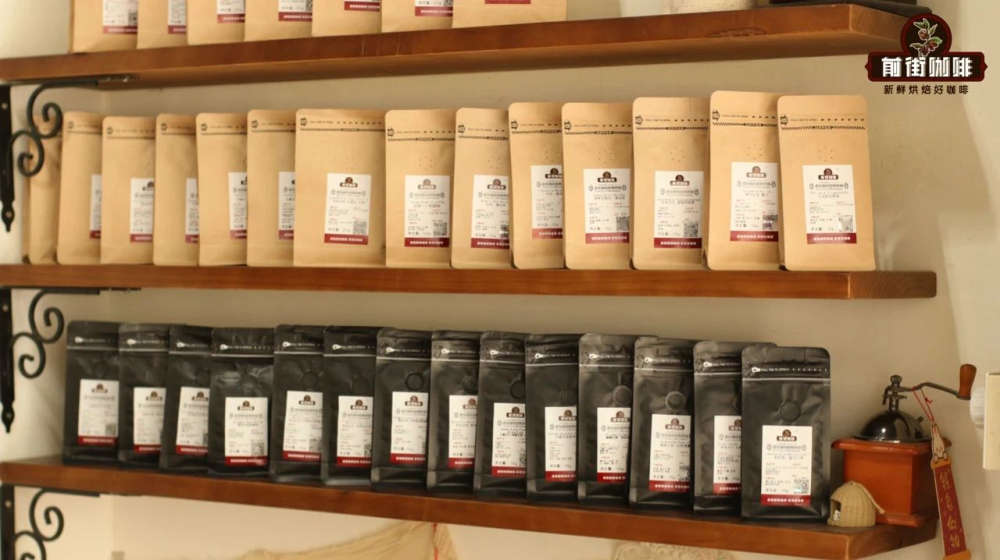 When choosing natural coffee beans, there are many quality options.
 For example, there is a coffee from the Aratlan Estate in Ethiopia's Yirgacheffe region, at an altitude of 1,700–2,200 meters, planted with local heirloom varieties and naturally processed. This coffee has rich flavors of floral, citrus, berry, black tea, and fermented aroma.
There is also a coffee from the Buku Abel washing station in Hambela, Ethiopia's Guji region, at an altitude of 2,250–2,350 meters, also using local heirloom varieties and the natural process. It offers wonderful flavors of creamy strawberry, mango, guava, and tropical fruit.
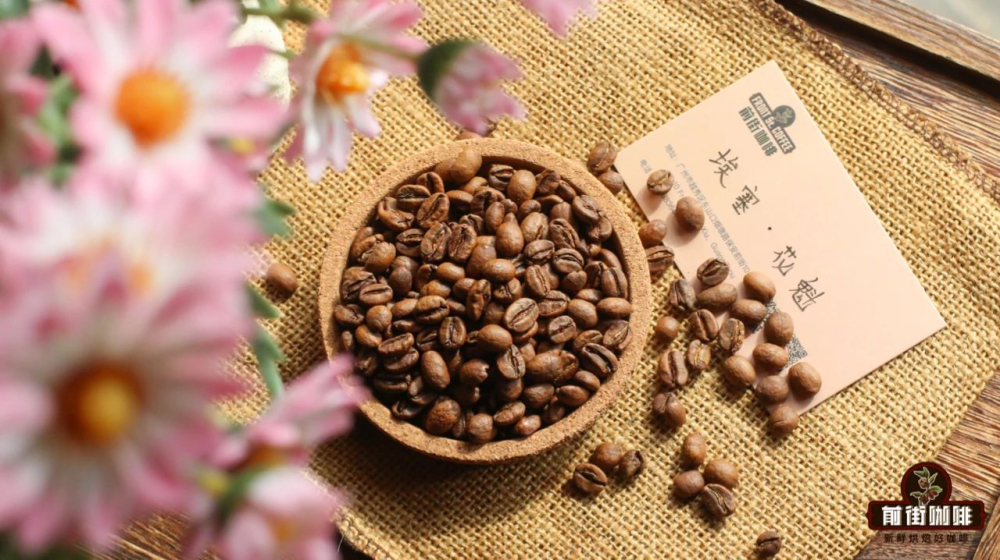 In addition, a coffee from Yunnan, China, is worth recommending; it is grown on an estate at an altitude of 1,300 meters, the variety is Typica, and it is naturally processed. According to industry sources, this coffee shows distinctive flavors of brown sugar, nuts, dried apricot, and chocolate.
There is also a coffee from Hacienda La Esmeralda in Panama's Boquete region, at an estate altitude of 1,400–1,700 meters, planted with Caturra and Catuai varieties and naturally processed. It shows flavor characteristics of nuts, citrus, berry, and white floral.
 And a coffee from Fazenda Rainha in Brazil's Mogiana region, at an estate altitude of 1,400–1,950 meters, with the Yellow Bourbon variety and natural processing. This coffee has flavors of chocolate, nuts, sugarcane, peanut, and cream.
When choosing natural coffee beans for pour-over, different beans may require different extraction parameters. Generally, the grind size can be adjusted to medium-fine, similar to the texture of granulated sugar. The water temperature is recommended at 90–93°C; this temperature range can better extract the flavor compounds from the coffee beans. For pouring, a center pour followed by a slow circular motion can be used, with a uniform and steady stream. For the first pour, a small amount of hot water can be added for blooming, with a blooming time of about 30 seconds, which awakens the coffee grounds. Subsequent pours can be adjusted according to personal preference and the characteristics of the beans; the total water amount and brewing time will affect the strength and mouthfeel of the coffee.
In short, understanding the natural process and the flavor characteristics of different natural coffee beans, combined with suitable extraction parameters, can help coffee lovers better enjoy the unique charm of pour-over natural coffee.