Indonesian Wet-Hulled Coffee Flavor and Mandheling Brewing Guide
Introduction: Indonesia's unique wet-hulling method creates distinctive coffee flavor characteristics, from rich herbal to deep spice layers. How does this process affect coffee bean quality? This article analyzes the core differences between wet-hulling, washed, and natural methods, reveals the climatic reasons why the Mandheling region favors this process, details the 7-step processing flow and the iconic 'goat hoof bean' appearance, and provides precise brewing parameters and flavor guidance for medium-dark roasted beans, helping you unlock the unique charm of Southeast Asian coffee.
When you taste a cup of coffee from Indonesia, have you ever wondered why most local coffee beans are wet-hulled rather than the more common washed or natural methods? This unique process not only shapes the iconic herbal and spice flavors of Indonesian coffee but has also become a focus of exploration for specialty coffee enthusiasts worldwide. This article will guide you through the secrets of wet-hulling.
Wet-hulling, also known as wet hulling, is called Giling Basah in the local Indonesian language. It is a coffee processing method unique to the country and is also classified as a semi-washed process. Unlike the washed method, which retains the mucilage for fermentation, then rinses with clean water and dries with parchment intact for storage, wet-hulling involves semi-drying after washing and fermentation, then removing the parchment layer by machine before it fully hardens, followed by final drying. This key difference means the coffee beans enter storage in a 'bare' state during the drying stage.

Why does Indonesia prefer wet-hulling? The answer lies in the local climate conditions. The natural method suits dry, hot areas with scarce water resources, while the washed method relies on abundant water. Indonesia's humid and rainy environment makes long sun-drying difficult, and wet-hulling adapts to this challenge by shortening drying time. Some believe this process also gives Indonesian coffee a fuller body, making its herbal and spice flavors more prominent.

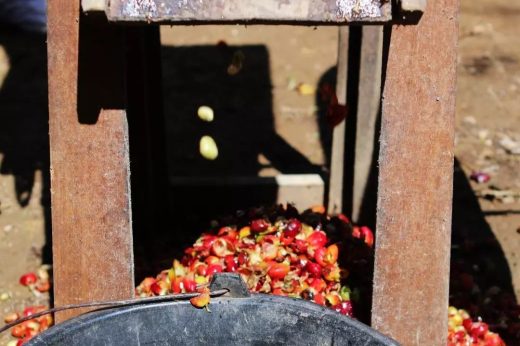
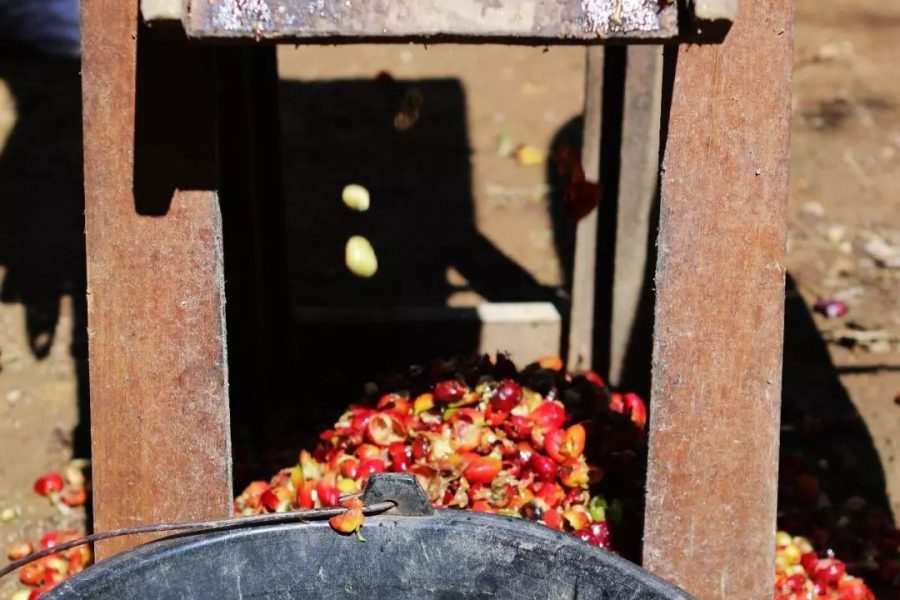
The complete wet-hulling process includes seven key steps: first, pulping, where harvested coffee cherries are quickly processed at smallholder homes to remove the skin and some pulp; next, washing, where the pulped beans are soaked in water for 1-2 hours and rubbed to reduce mucilage residue; then the first drying, where farmers independently reduce bean moisture to 20%-35%. The initially dried coffee beans (with the mucilage layer still sticky) are sold at market, collected by processing plants for a second drying to further reduce moisture to about 18%.

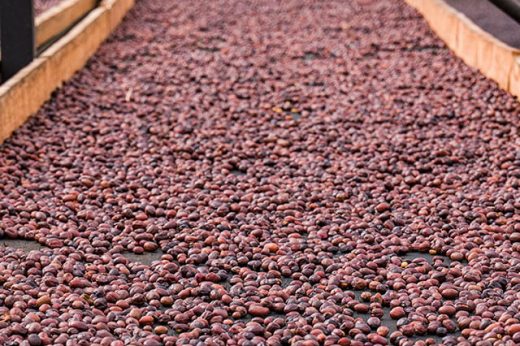
After the second drying, the beans are fed into a huller for the core wet-hulling operation—removing the mucilage and parchment layer before final drying (the washed method usually retains the parchment until hulling before export). Finally, the coffee beans are dried again on the patio to 11% moisture, bagged, and stored for export. Notably,  shows that because the semi-hard, moist raw beans are prone to pressure damage during machine hulling, cracked beans often present a 'goat hoof' appearance. This is a distinctive feature of Mandheling, but not a defect bean.

In terms of flavor, wet-hulled coffee is known for low acidity, thick body, and unique herbal and spice notes. Some industry books describe it as 'a rare processing method worldwide that accidentally created the special flavor of Mandheling.' In cupping, such coffees often display layers of herbs and spices, but quality consistency may be affected by the raw bean material. For example, some high-altitude regions (such as Mount Gayo in Aceh, Sumatra, at 1100-1600 meters) grow the Ateng variety, which after wet-hulling and G1 grade screening (3 times hand-sorted) can present richer nut, chocolate, and caramel finish notes.

For coffee enthusiasts, understanding the brewing parameters for wet-hulled beans is equally important. Take a typical medium-dark roasted bean as an example: it is recommended to use a KONO dripper (its special rib design extends water-powder contact time and enhances body), with 88°C water temperature, a 1:15 coffee-to-water ratio (15g coffee to 225g water), and a grind size with 65% passing a 0.85mm sieve. The specific procedure: bloom with 30g water for 30 seconds, pour in a small stream in circles until 125g, then continue to 225g when the water level approaches the coffee bed, keeping total extraction time around 2 minutes. With these parameters, the coffee tends to present a clean balance of nut, spice, and licorice flavors.

If you enjoy pour-over exploration, try adjusting the grind size or water temperature slightly (e.g., ±1°C to observe flavor changes). The unique processing of wet-hulling will add more layers of discovery to your coffee experience.