How to Choose a Pour-Over Dripper: Single-Hole, Three-Hole, Resin and Ceramic Explained
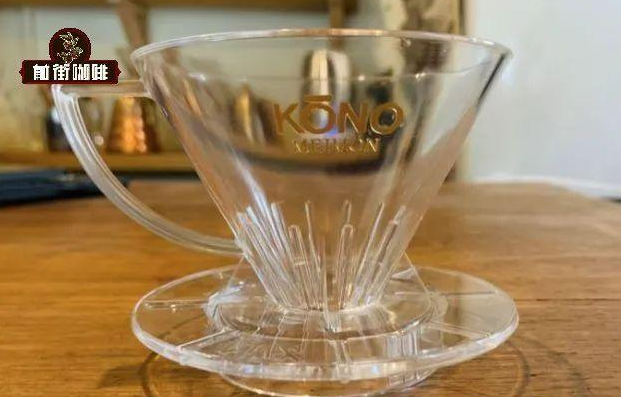
Introduction: When brewing a good cup of coffee at home, choosing the right dripper is crucial. From hole design and material properties to shape differences, this article explains in detail how single-hole and three-hole drippers affect extraction, compares the pros and cons of materials such as resin and ceramic, and offers purchasing advice for beginners. Mastering these points will help you easily improve the flavor stability and complexity of your pour-over coffee.
During the pandemic, many coffee enthusiasts began building their own brewing setups at home. Pour-over coffee, as the most popular drip method, seems simple but is extremely particular about equipment selection. Among these, the dripper's design directly affects water flow speed, extraction uniformity, and the final flavor performance.
The hole design at the bottom of the dripper is the primary consideration. Single-hole drippers concentrate the water flow, extract more slowly, and release flavor more stably, making them suitable for beginners seeking a balanced taste; three-hole drippers (such as the classic trapezoid design) disperse the water flow through multiple holes, reducing the risk of localized over-extraction and better maintaining the breathability of the coffee bed. The number and diameter of holes together determine flow rate—the more holes and the larger they are, the faster the water flow, but the higher the demands on pouring technique.
Material choice is equally key. Resin drippers are lightweight, shatter-resistant, and have clearly defined inner wall grooves that guide water evenly through the coffee bed; they are affordable and less affected by temperature differences during extraction. Ceramic drippers have excellent heat retention, but note that differences in firing processes among brands may lead to uneven heat conduction. Stainless steel drippers are highly durable, but metal conducts heat quickly, so be sure to preheat the dripper thoroughly before use to avoid temperature loss. It is recommended to prioritize styles with pronounced groove textures to ensure smooth venting.
The dripper shape directly affects the water flow path and coffee bed distribution. Cone-shaped drippers (such as V60) accelerate water flow through a steep angle and are suited to highlighting a coffee's complexity, but require precise control of pouring force to avoid over-extraction in the middle and lower sections; trapezoid drippers (a common three-hole design) have a wide-mouth structure that makes the coffee bed flatter and, when using immersion-style extraction, release flavor evenly, making them especially suitable for slightly coarser grounds; flat-bottom drippers (such as the cake cup) have a flat base and, paired with a center-pour method, can extend extraction time, bringing fuller sweetness and body.
New designs such as the origami dripper optimize flow rate through three-dimensional grooves, while flower-shaped drippers increase contact area to improve extraction efficiency. These innovative styles can add fun to daily brewing, but beginners are advised to first master the techniques of basic vessels.
The choice of filter paper should not be overlooked either. Be sure to match the dripper's diameter and taper to avoid leakage from the sides. Prefer unbleached wood pulp filter paper; although some products may carry a slight papery taste, this can usually be removed by rinsing with hot water. Ordinary bleached filter paper, while thoroughly deodorized, may retain a chemical odor. Avoid metal filters, whose rough surfaces allow fine particles to pass through and affect the taste, and which are far harder to clean than disposable filter paper.
In summary, beginners can start with a three-hole flat-bottom dripper paired with unbleached filter paper, balancing operational tolerance and flavor performance; advanced users can try a cone-shaped single-hole dripper according to bean characteristics, exploring more flavor details by adjusting pouring technique. Remember that stable water temperature (90-94°C recommended), an accurate coffee-to-water ratio (1:15 to 1:17), and a uniform grind size (medium-fine) are the core foundations of flavor stability.


