Bolivia Coffee Bean Flavor Analysis and Growing Region Guide
Introduction: Bolivian coffee is known for its distinctive highland flavors and organic growing environment, with beans cultivated at high altitudes that develop bright floral and fruity aromas. This article explores Bolivia's variety characteristics, core growing regions, and the flavor profile of a representative washed Typica, helping coffee enthusiasts better understand and choose this South American specialty coffee.
South America is not only a major global coffee-producing region; Bolivia also holds its own in coffee cultivation thanks to its exceptional natural environment. The tropical rainforest climate in some parts of the country provides ideal conditions for growing organic coffee. Bolivian coffee is renowned for its rich aroma, whether the fragrance released during grinding or the coffee's scent after brewing, both showing rich layers, often with a captivating interweaving of floral and fruity notes that leaves a lasting impression.
Bolivia's distinctive advantages stem first from its high-altitude growing environment and high-quality coffee varieties. Local farmers mainly grow the traditional Typica variety, along with a small amount of Caturra. These varieties have long enjoyed a good reputation in the international coffee market. It is worth noting that Bolivia's coffee-growing history is relatively short; early coffee trees were mostly planted around courtyards, mainly as ornamental plants. It was not until the early 1950s that the country's coffee industry truly began to move toward commercialization. In 1957, Brazil suffered a severe frost that sharply reduced its coffee output, and Bolivia seized the opportunity to rapidly develop its own coffee-growing industry.
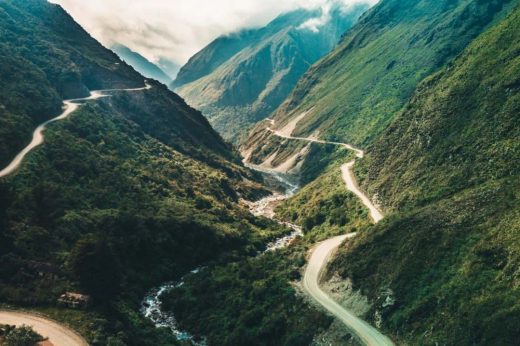
Bolivia's coffee-growing areas are concentrated mainly in high-altitude zones, typically between 1,800 and 2,670 meters. Such elevations give the beans brighter acidity and more complex flavors. Among them, washed Arabica beans were once exported to Germany and Sweden; although the flavor at the time did not reach top quality and was slightly bitter, it still showed the region's potential. With continuous improvements in growing techniques and processing methods, Bolivian coffee has improved significantly in quality today.
Among the many growing regions, the area around Lake Titicaca is particularly noteworthy. This highland lake on the border between Bolivia and Peru is not only the highest and largest freshwater lake in South America but also one of the highest large navigable lakes in the world. Located on the Collao Plateau, its unique geographical position provides distinctive microclimatic conditions for the surrounding coffee cultivation.
In the Lake Titicaca region, there is a representative coffee product—Lake Titicaca Copacabana. The detailed parameters of this coffee are as follows: origin is Bolivia, grown at an elevation of up to 3,812 meters, a typical high-altitude cultivation; the growing region is clearly the Lake Titicaca area; it is medium roasted, preserving the coffee's original flavor while improving drinkability; it is washed, giving the coffee better cleanliness and flavor clarity; the variety is the classic Typica, a traditional variety known for its elegant acidity and delicate mouthfeel; the producers are local smallholder farmers in Copacabana, who carefully cultivate every bean in a traditional and sustainable way.
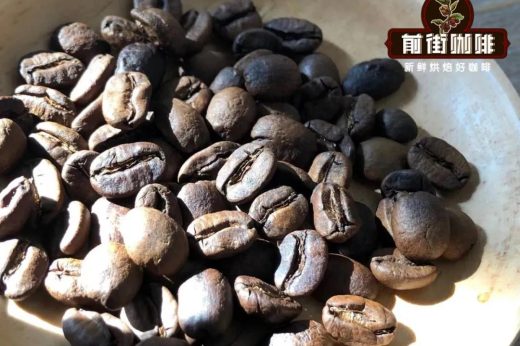
This coffee's flavor profile is highly distinctive: in the dry aroma, warm notes of roasted nuts and almond can be detected; on the palate, fresh orange and white pomelo acidity emerge, with an overall balanced flavor, moderate sweetness and acidity, and a clean, lingering finish. For pour-over coffee enthusiasts, a medium-fine grind is recommended, with water at 90-93°C and a multi-stage extraction method, to better reveal its complex interweaving of floral, fruity and nutty flavors.
Overall, Bolivian coffee is gradually emerging in the global specialty coffee market thanks to its high-altitude growing environment, high-quality varieties and distinctive processing methods. Whether you are a coffee novice or a seasoned enthusiast, understanding Bolivian coffee's growing region characteristics and flavor profile can help you better select and brew a quality cup of South American coffee.