Bolivia Alasitas Estate Caturra: Cocoa Natural Process & Flavor Guide
Introduction: Explore a representative of Bolivia's scarce specialty coffee—Alasitas Estate Caturra. This article details its growing environment, cocoa natural process, and distinctive flavor profile. From cultivation challenges to processing techniques, it guides you through this high-altitude coffee's unique appeal, with brewing parameters and flavor characteristics for reference.
Bolivia's coffee story is full of challenges and resilience. This South American country has ideal conditions for growing quality coffee, yet due to history, policy, disease, and other factors, its output has always been scarce. Nevertheless, Bolivia still produces many specialty coffees with distinctive flavors, among which the Caturra variety from Alasitas Estate stands out through its cocoa natural process.
Looking back at the development of Bolivia's coffee industry, in 1991 the government promoted indigenous participation in coffee cultivation, but initially did not focus on quality improvement. It was not until the introduction of the Cup of Excellence in 2004 that international roasters had the opportunity to discover the quality coffees of this land. However, coffee farmers have long faced economic hardship; because growing coca leaves is far more profitable than coffee, many farmers switched to growing this crop used to make cocaine. Although coca is legal in Bolivia, its cultivation requires large amounts of chemicals, severely damaging the soil and often rendering the land uncultivable after a few years.
In the early 2000s, the United States provided agricultural aid to Bolivia, but because the government supported coca cultivation, relations deteriorated, and coffee farmers suffered most. Only after anti-drug policy adjustments did some aid programs, such as the Cup of Excellence, restart with USAID support. More seriously, an outbreak of leaf rust in 2013 caused that year's coffee output to plummet by 50%. Under the double blow of policy and disease, Bolivia's coffee output has shrunk by 70% over the past decade, making it a niche origin on the global coffee map.
Scarcity has instead created unique value for Bolivian coffee. Between limited output and global specialty coffee demand, local coffee farmers have gained new market opportunities. Among them, the Rodriguez family (Finca Los Rodriguez) has become a representative of steadfast quality: they not only manage their own estate but also support surrounding smallholders through the "Sol de Mañana" program, providing technical guidance, building processing facilities, and improving production and sales channels, effectively raising coffee quality and farmer incomes.
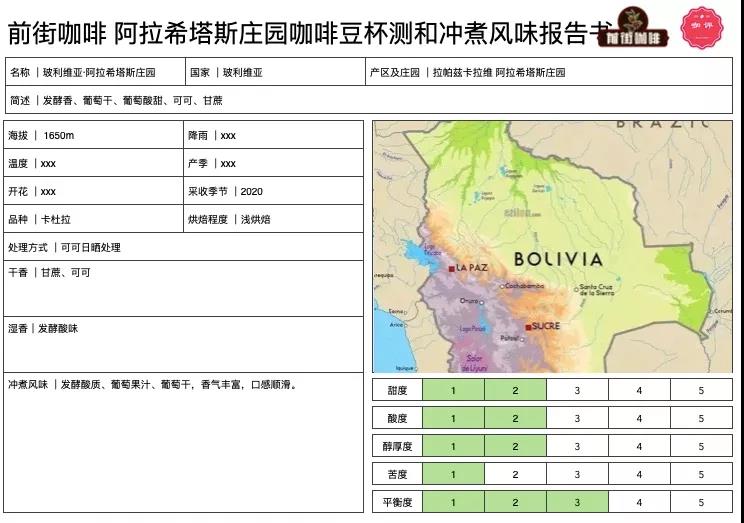
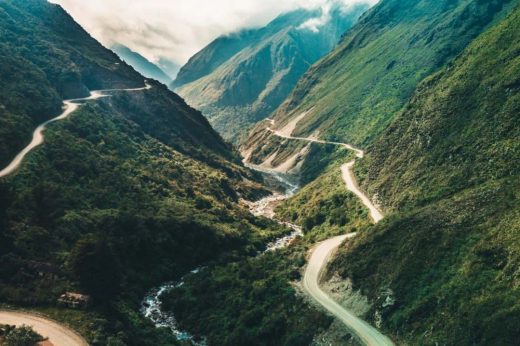
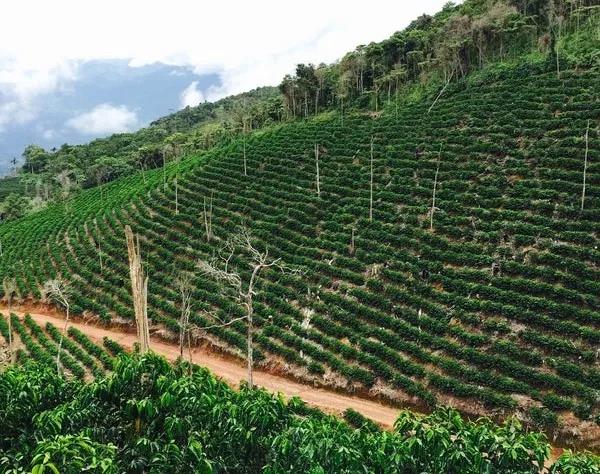
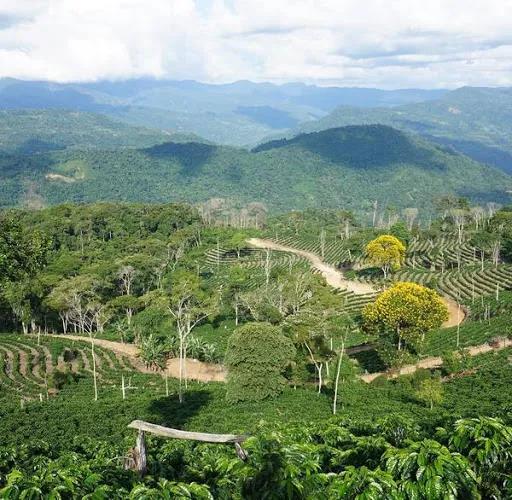
The Alasitas Estate in Bolivia's Caranavi region of La Paz is precisely the fruit of these efforts. The estate's name comes from the important local "Alasitas" festival, a traditional Aymara celebration symbolizing prayers for harvest and abundance. The estate is located in the Caranavi area in the heart of the Amazon basin, with a superior natural environment and rich biodiversity, providing ideal conditions for coffee cultivation. Seen from the air, the carefully planned harvesting corridors between the coffee trees on the estate form a distinctive fingerprint-like pattern, demonstrating rigorous cultivation management.

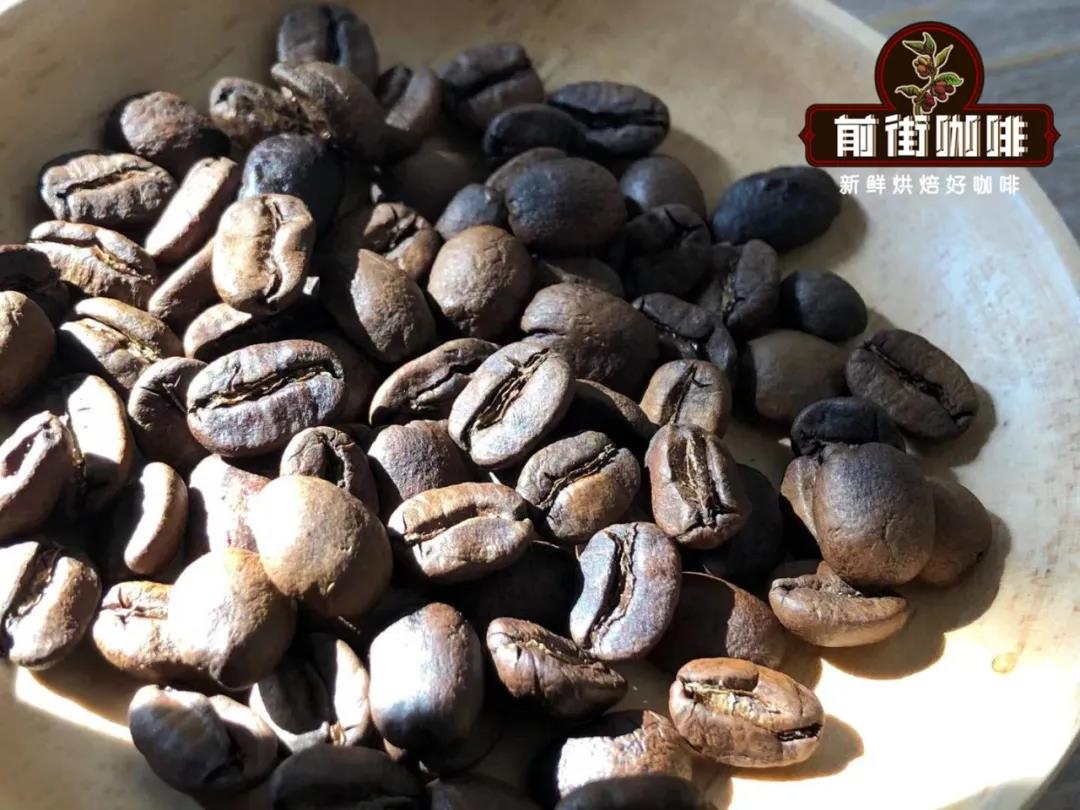
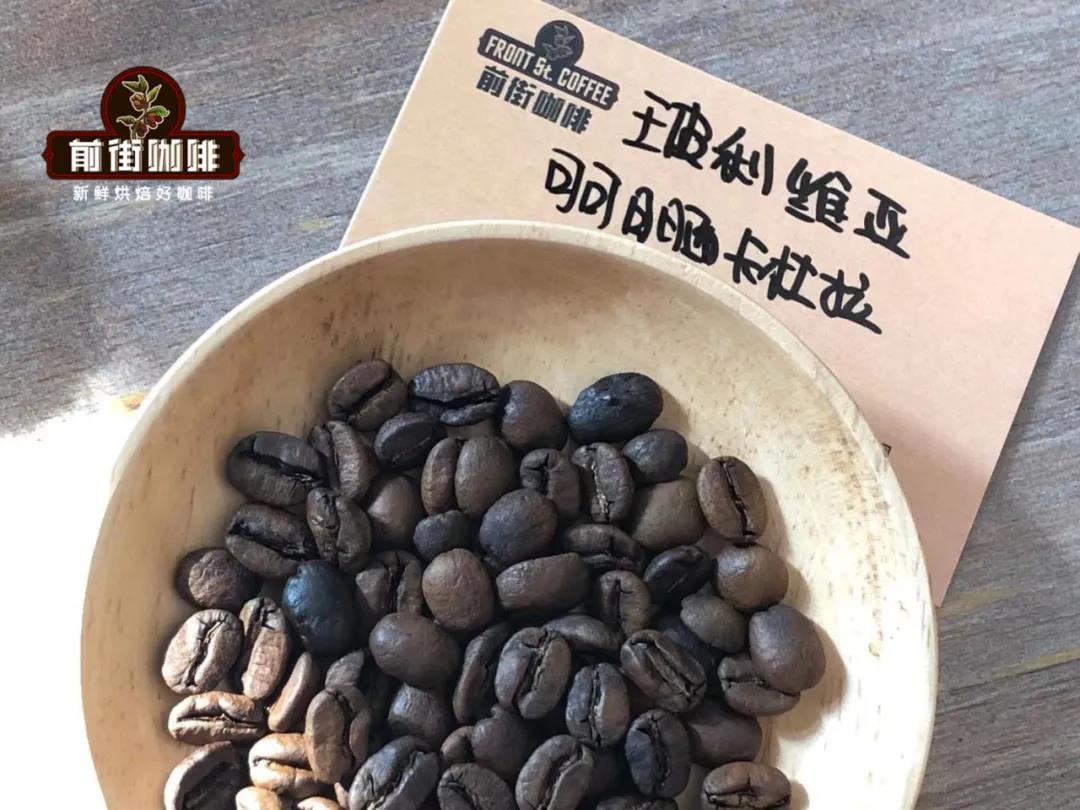
The Alasitas Estate sits at an altitude of 1650 meters, and the Caturra variety grown here displays the typical characteristics of high-altitude coffee. A Bourbon variant, Caturra adapts to altitudes of 700–1800 meters, but the higher the altitude, the more refined the flavor and the lower the yield. Its appearance features slender, rounded beans with a more pronounced curve at the tail end than Bourbon, a detail that helps growers and processing plants identify it during sorting.
The estate uses a distinctive cocoa natural process, giving the coffee a rich, full-bodied flavor foundation. During harvest season, professionally trained pickers sort multiple times, collecting only fully ripe coffee cherries to ensure optimal ripeness. After harvesting, the coffee cherries are carefully loaded into crates for transport; this packaging protects the fruit's integrity while ensuring ventilation to prevent premature fermentation.
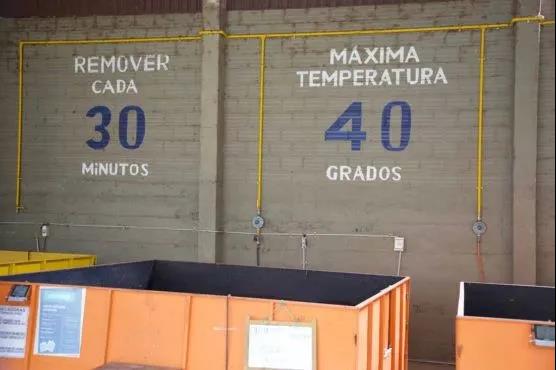
The processing flow is strictly standardized: after washing, the fruit is placed on African-style raised drying beds and turned once per hour to promote even drying; after about a week it is moved to a cocoa dryer. In steel drying drums at temperatures not exceeding 40°C, the coffee beans undergo about 35 hours of precise drying, turned once every 30 minutes. After drying is complete, the beans also undergo mechanical hulling and double manual sorting under ultraviolet light and natural light to ensure the purity and consistency of the final product.
This coffee's flavor performance is impressive: pronounced fermented acidity brings vibrancy, accompanied by the fresh fruity aroma of grape juice and the sweet, moist finish of raisins. The overall aroma is layered and rich, with a silky, balanced mouthfeel, demonstrating the cocoa natural process's ability to deeply shape flavor.
For coffee lovers, this Caturra from the 1650-meter plateau offers a unique tasting experience. Its processing craft blends tradition and innovation, cleverly combining cocoa's rich character with the coffee's own bright acidity. When brewing, pay attention to parameter details to fully reveal its complex flavor layers.
When brewing this coffee, the combination of a medium-fine grind (76% passing a No. 20 sieve) and 90°C water effectively balances sweetness and acidity. Use a staged pouring method: first 30 grams of water for a 30-second bloom to activate the coffee; then pour 125 grams of water in a small circle at the center, keeping the stream gentle to avoid excessive agitation; finally pour water to 225 grams to complete extraction, for a total time of about 2 minutes. This technique helps highlight the coffee's fruity aroma and fermentation layers while maintaining a smooth mouthfeel.

From cultivation challenges to processing innovation, the Caturra from Bolivia's Alasitas Estate demonstrates the unique appeal of a niche origin. Its cocoa natural process not only preserves the bright acidity of high-altitude coffee but also adds a rich, complex flavor dimension. For coffee lovers seeking a special flavor, this specialty coffee from the South American highlands is worth savoring slowly.