Yirgacheffe Natural vs Washed: Flavor Differences and Pour-Over Parameters
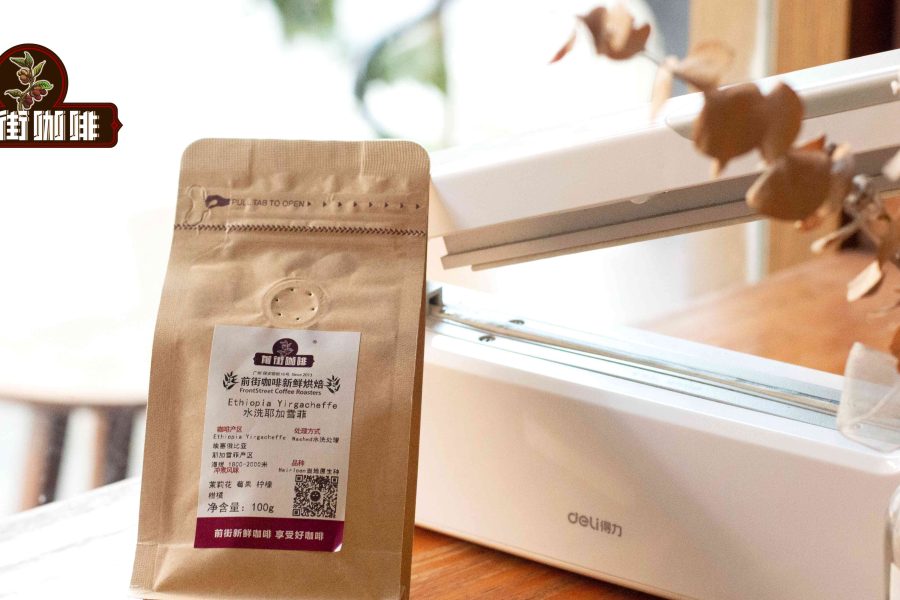
Introduction: A deep comparison of the flavor characteristics and appearance differences of Yirgacheffe's two classic processing methods, explaining in detail the source of the washed method's fresh floral and fruity profile and the natural method's rich sweetness. Includes professional pour-over recipes covering key parameters such as coffee-to-water ratio, water temperature and grind size, helping you precisely present the unique character of each processing method and resolve beginners' confusion over choosing beans and brewing.
As Ethiopia's most representative specialty coffee region, Yirgacheffe's flavor expression depends to a great extent on the choice of processing method. The two mainstream methods, washed and natural, create vastly different flavor directions in this region's coffee, and understanding these differences is the first step in exploring specialty coffee.
[Washed Process: The Shaper of Crisp Acidity]

The washed process removes the mucilage layer through a precise fermentation and washing procedure. First, the parchment coffee is placed in a water tank to screen out floating beans, then the mucilage is broken down by microorganisms in a fermentation tank, a process that usually lasts 12-36 hours. After completion, it is thoroughly rinsed with clean water, bringing the green bean moisture content down from an initial 50% to a safe storage level of 12%. The drying environment must be strictly controlled at this stage; layering the beans on African drying beds is recommended, with 3-4 turnings per day to ensure even dehydration, ultimately producing the signature blue-green green bean appearance. This process preserves the coffee's pure base, highlighting bright citric acidity, jasmine florals and a black tea finish; the acidity is lively like sparkling water yet not sharp, particularly suited to drinkers who prefer a light mouthfeel.
[Natural Process: The Slow Accumulation of Rich Sweetness and Aroma]

The traditional natural method keeps the whole fruit intact for natural drying over as long as 21-30 days, during which the beans' moisture content must be closely monitored, ideally dropping gradually from an initial 60% to 11-12%. During drying, the coffee beans undergo complex enzymatic reactions as fructose gradually permeates into the endosperm, forming honey-like sweetness and complex aromas of blueberry and tropical fruit. Compared with the silver skin removed from washed beans, naturally processed green beans usually retain their full silver skin, presenting a distinctive yellow-green hue. This process gives the coffee a fuller body and caramelized finish, with mild, restrained acidity and an overall richness like a tropical orchard.
[Key Points for Appearance Identification]

Observing the green beans quickly distinguishes the processing method: washed beans have a smooth surface with no residual silver skin and a glass-like translucent sheen; natural beans are wrapped in semi-transparent silver skin and lean toward a warm yellow-green color. The integrity of the silver skin directly affects the roast's degassing curve, and natural beans usually require extended development time to avoid underdeveloped centers.
[Pour-Over Parameter Guide]

• Washed Yirgacheffe: coffee-to-water ratio 1:15-1:16, medium-fine grind (75-80% passing a Chinese standard No. 20 sieve), water temperature 90-92°C. A three-pour method is recommended: the first pour uses 30% of the total water for a 30-second bloom, the second pour circles to 125% of the water volume and pauses, and the final stage slowly fills to 225% of the total water volume, with total extraction time controlled at 2 minutes 10 seconds to 2 minutes 30 seconds.
• Natural Yirgacheffe: coffee-to-water ratio 1:14-1:15, slightly coarser grind (70-75% passing the same sieve), water temperature 88-90°C. Combine a center pour with small circular pours: the bloom uses 25% of the water for 45 seconds, then extend the interval between subsequent pours, stretching total time to within 2 minutes 40 seconds to fully bring out the sweet compounds.
Note that parameters should be fine-tuned according to actual flow stability; for light-roasted Yirgacheffe, a fresh dripper (such as a V60 or wedge-shaped dripper) is recommended to avoid over-extraction and resulting sharp acidity.


