Ethiopia Washed Yirgacheffe Flavor Analysis and Pour-Over Guide
Introduction:An in-depth analysis of the unique flavor characteristics of washed coffee beans from Ethiopia's Yirgacheffe region, covering everything from growing altitude and processing methods to brewing recipes, fully decoding the flavor secrets of this classic African bean. The article includes a detailed explanation of the washed processing workflow, professional-level roasting recommendations, and home brewing parameters to help you precisely capture the citrus notes and floral layers and unlock the complete flavor profile of the Gedeb Gotiti Cooperative G1 washed beans.
Geographical Origins of the Yirgacheffe Region
This small town in southwestern Ethiopia (now part of the Gedeo Zone) sits at an altitude of 2,000-2,100 meters. In the ancient language, "Yirga" means to settle and "Cheffe" refers to wetlands. Its cool climate with average annual temperatures of 15-20°C and the diurnal temperature variation have created a unique coffee flavor gene. As one of the world's highest-altitude specialty coffee regions, the distinctive volcanic red soil and year-round fog-covered environment here extend the coffee trees' growth cycle and allow the fruit to accumulate more sugar.
Background of the Gedeb Gotiti Cooperative
Founded independently in 2012 by 300 farmers from the former Worka cooperative, it is located in the Worka area southeast of Yirgacheffe and continues traditional washed processing. Although this area is classified as the Kochere region by the ECX auction system, its actual altitude generally exceeds 1,900 meters, and some micro-regions such as Banko Gotiti reach heights of 2,000+ meters, giving the coffee brighter acidity and more complex aroma layers.
The Complete Washed Processing Workflow
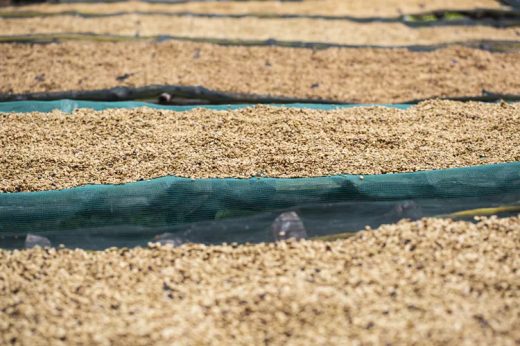
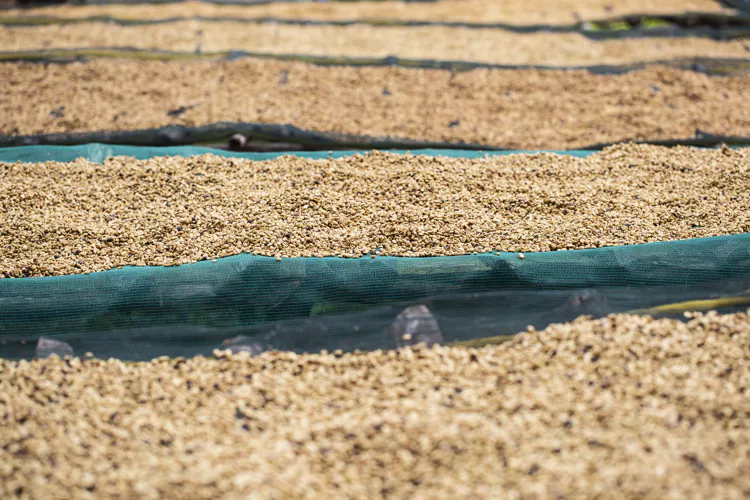
Density grading and sorting are carried out within 6-12 hours of picking: ① Floatation to remove unripe cherries → ② Removal of skin and pulp → ③ Resting in fermentation tanks for 18-36 hours to break down pectin → ④ Rinsing off residual mucilage with clean water → ⑤ Drying in parchment for 5-14 days to a moisture content of 11%. The key control point is that fermentation time must be adjusted according to temperature; in hot seasons it should be shortened to within 24 hours to prevent over-fermentation and defect flavors.
Core Flavor Characteristics
Typical G1 washed Yirgacheffe shows a three-stage flavor evolution: the hot stage (85-75°C) highlights citric acidity and jasmine florals, the medium stage (70-60°C) reveals peach sweetness and a black tea finish, and the cool stage (below 50°C) brings out honey sweetness and a clean aftertaste. Compared with natural processing, the washed method better emphasizes bright citrus acidity and a silky-smooth body.
Professional Roasting Recommendations
A light roast (Agtron 70-75) is preferable: suggested charge temperature 175±5°C, with the yellowing point controlled in the 160-165°C range, and heat reduced to 80% before first crack to avoid under-development. Pay close attention to the rate of rise during the dense first-crack phase (9'30"±10"), and set the drop temperature in the 193-195°C range to ensure a balance of sweetness and acidity.
Home Brewing Recipe
A V60 dripper with a medium-fine grind (80% passing a No. 20 sieve) is recommended, with the following parameters:
• Water temperature: 92±1°C (adjust according to altitude)
• Coffee-to-water ratio: 1:15 (15 g coffee to 225 ml water)
• Staged pouring: 30 g bloom for 30 seconds → circular pour to 120 g in stages → continue to 225 g
• Total time: 1'50"±10" Be careful not to pour the first stage too quickly, to avoid channeling and uneven extraction.
Flavor Evolution Tips
Freshly brewed coffee will show intense citrus acidity; it is recommended to let it rest for about 30 seconds until the temperature drops to around 70°C, when the berry flavors and creamy texture become more pronounced. If woody off-flavors appear in the finish, it may be due to over-roasting or too coarse a grind, so check the extraction parameters.