Washed Coffee Beans Explained: Flavor Profile and Pour-Over Guide

Introduction: The washed processing method is one of the most common processing methods in specialty coffee, capable of giving coffee beans bright acidity and a clean mouthfeel. This article provides a comprehensive analysis of the entire washed coffee process from fruit to green bean, compares the flavor differences of beans from different regions, and offers professional-grade pour-over parameter suggestions to help coffee enthusiasts precisely grasp the brewing key points for this type of bean.
Coffee beans are essentially the seeds of the coffee fruit. This red fruit, known as the coffee cherry, must undergo professional processing to obtain roastable green beans. Freshly picked coffee cherries are prone to spoilage, so timely processing is crucial for preserving flavor.
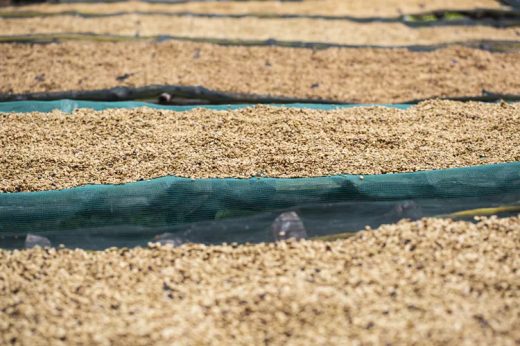
The washed processing method (also known as the washed fermentation method) is currently the most widely applied process in the specialty coffee field, and its standardized procedure can effectively improve the stability of bean quality. The specific steps include: first, place the picked fruit into a water tank and use flotation to remove unripe fruits and impurities; then use a pulper to strip away the outer flesh, exposing the seeds covered in mucilage; next, soak the mucilage-covered green beans in a fermentation tank and use microorganisms to break down the mucilage layer on the parchment; after fermentation is complete, thoroughly remove the remaining mucilage through washing; finally, place the parchment-covered beans on a sun-drying patio or in a dryer to dehydrate, and once the moisture content reaches the target, hull them to obtain the final green beans.
The core advantage of this process lies in its multiple screening mechanisms—flotation, sedimentation in the fermentation tank, and the washing stage can effectively remove defective beans, resulting in finished green beans with a uniform appearance and a low defect rate. Coffee processed this way typically presents a distinct cleanliness (Clean Cup), with clear, bright acidity and a smooth mouthfeel. However, it should be noted that improper fermentation control can easily produce negative flavors from over-fermentation, and compared with the natural method, the layers may be somewhat thinner.
A typical washed processing flow includes six key stages: the first stage is soaking in a water tank for about 2-4 hours to soften the fruit flesh, followed by mechanically scraping off the flesh layer; the fermentation stage lasts 12-36 hours (adjusted according to ambient temperature), during which regular stirring ensures even breakdown of mucilage; the washing stage requires multiple water changes until the sticky substance is completely removed; the drying stage reduces the moisture content from 55% to 11-12%. Sun drying requires spreading the beans to a thickness of no more than 3 cm and turning them daily, while mechanical drying controls the temperature at no more than 50°C. Finally, a huller is used to separate the silver skin and complete the refining.
Washed beans from different regions present differentiated flavor characteristics: Central American beans often show citrus notes paired with honey sweetness, while African highland regions (such as some washed Ethiopian beans) highlight blueberry acidity and a tea-like finish. Brewing parameters should be adjusted according to origin characteristics—conventional washed beans are suited to a medium-fine grind (70-75% passing rate through a Chinese standard No. 20 sieve), with water temperature controlled in the 90-92°C range, and a pouring speed of 2-3 grams per second to maintain stable extraction. Light-roasted washed beans can be brewed with 93°C high temperature to bring out floral and fruity acidity, with extraction time controlled at 2 minutes 10 seconds ±5 seconds; dark-roasted versions are better suited to a lower 88-90°C to avoid excessive bitterness.
Professional advice: washed beans should be stored away from light in a sealed container, with relative humidity recommended to be maintained at 50-60%. After grinding, it is recommended to use the coffee within 15 minutes to ensure the best flavor performance. For beginners, using a V60 dripper with a 1:15-1:16 coffee-to-water ratio can better showcase the pure characteristics of this type of bean.