Ethiopian Natural Hualukui Coffee: Processing and Flavor Guide
Introduction: This in-depth analysis covers the full process of Ethiopian natural Hualukui coffee from cultivation to cupping, including the geographical features of the Hambela producing region, G1-grade green bean sorting standards, key steps in traditional natural processing, and V60 dripper brewing parameter optimization. By comparing the flavor evolution of the first-generation 2017 Hualukui with later batches, it helps coffee enthusiasts master the key points of tasting high-sweetness coffee with floral and fruity notes.
Ethiopia, a treasure trove of coffee genetics, produces natural-processed coffees from its southern regions that often show intense tropical fruit notes. The Hambela producing region, located in the Giji area of Sidama, with its high altitude of 2,200–2,500 meters and mineral-rich black soil, nurtures top-grade natural beans with a honey finish. The area's distinctive microclimate allows the coffee cherries to ripen slowly and accumulate richer sugar compounds.

The natural coffee from the 2017 TOH competition champion batch was named "Hualukui" for its pronounced berry sweetness and full body. It should be noted that the internationally used name remains Hambella, and only the natural G1 beans from the Buku Abel processing station meet the industry-recognized Hualukui standard. This station is located in the core producing area of Dimtu town, and after 2018 four surrounding villages joined production one after another, forming a large-scale natural cluster.

The name Hualukui comes from a naming strategy by Chinese importers; its original producing region name is Hambela. Notably, Hualukui in the true sense refers specifically to the natural G1 beans from the Buku Abel processing station, which can be identified by the station's location (Dimtu town) and altitude parameters (above 2,200 meters). Starting in 2018, to distinguish flavor differences between years, domestic traders adopted an X.0 version numbering system, such as 2.0 for 2018 and two sub-batches, 3.0 and 3.1, for 2019.

The Sidama producing region borders Yirgacheffe, but the geological structures differ significantly. The area spans an altitude band of 1,400–2,000 meters, and its soil types include red soil, volcanic ash soil, and black soil, creating a diverse flavor spectrum from citrus to chocolate notes. Administratively it follows Ethiopia's four-tier system (Region-Zone-Woreda-Kebele), among which the Guji producing region became independent in 2010 and is known for its black soil at 1,800 meters and pronounced day-night temperature difference.

The Heirloom native variety used for Hualukui coffee is in fact a collection of wild varieties unique to Ethiopia. These coffee trees, which have not been artificially selected or bred, are usually intercropped with other cash crops, and a single batch may mix dozens of varieties. Influenced by the smallholder farming model, the coffee cherries vary in size and shape, requiring precise sorting to ensure green bean uniformity. The G1 standard requires no more than 3 defective beans per 300-gram sample, far stricter than the commercial bean standard.

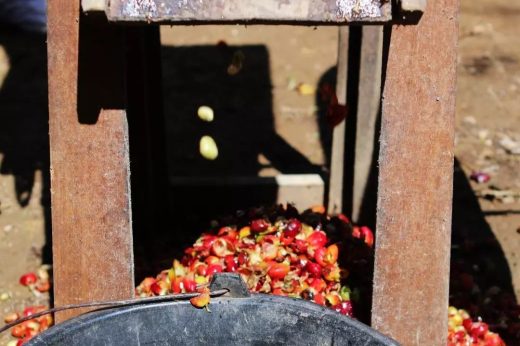
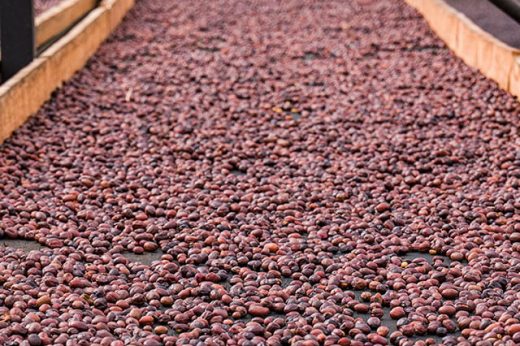
The modern natural processing method has been systematically improved: strict selection of red cherries at harvest → pre-treatment on raised wooden drying beds → 3–5 turnings per day to ensure even drying → 12–15 days of continuous drying to 11–12% moisture content → mechanical hulling followed by a second hand sorting. Key control points include: drying layer thickness not exceeding 5 cm, ambient temperature maintained at 25–30°C, and relative humidity below 60%. Compared with traditional ground drying, raised-bed processing preserves the mucilage layer more completely, and the final green bean density increases by about 15%.

Professional brewing parameters recommended: use a V60 dripper (size 02) with a medium-fine grind (80% passing a Chinese No. 20 sieve), a coffee-to-water ratio of 1:15, and a water temperature controlled at 90±1°C. Use a three-pour rhythm: first pour 50 ml for a 30-second bloom, second pour in circles to 125 ml, and in the final stage slowly pour to a total water volume of 225 ml. This approach highlights Hualukui's distinctive passion fruit acidity and black tea finish; pairing with a ceramic sharing pot is recommended to slow temperature loss.

Flavor evolution patterns show that the first-generation 2017 Hualukui had more pronounced rose aromatics and oolong tea notes, while later batches gradually shifted toward mango and honey notes. For storage, keep away from light and sealed; the ideal environment is a constant 10–20°C with humidity <50%. Ground coffee is best used within 15 minutes, and whole beans can be stored for up to 12 months (under vacuum packaging).

Ethiopia's coffee grading system has undergone changes: before the ECX was established, the Ministry of Agriculture's 300 g defect-count method was used (G1 ≤3 defects, G2 ≤9 defects), and the current standard adds a cupping score dimension (G1 requires ≥85 points). The sorting process for natural G1 beans includes three hand-sorting stages: initial selection after picking → mid-drying inspection → final selection after hulling. Professional roasters usually give Hualukui a light roast (Agtron #65–70) to balance floral-fruity aroma and body.

The choice of processing station site directly affects the final flavor: Buku Abel's raised drying beds are made of local eucalyptus wood, which is more breathable than ordinary bamboo racks. Comparative experiments show that raised-bed natural processing can reduce coffee bean temperature fluctuations by 40%, lowering the risk of over-fermentation. Professional coffee farmers judge the degree of drying by observing color changes in the mucilage layer; the ideal state is deep amber with no stickiness to the touch.

Purchasing advice for consumers: prioritize products labeled with specific processing station information (such as Buku Abel), and check the density value (recommended ≥0.72 g/cm³) and moisture content (11–12%) in the green bean report. Before brewing, cupping is recommended: take 8.25 g of ground coffee, brew with 93°C water at a 1:16 ratio, and assess the brightness of acidity in the front and the persistence of sweetness in the back. For storage, one-way degassing valve foil bags are recommended; avoid storing together with strongly scented items such as spices and dairy products.

A comparison of regional microclimates shows that Hambela has an average annual rainfall of 1,200 mm, concentrated in the March–May rainy season, which places higher demands on natural processing. Professional processing plants build rain-proof canopies and equip humidity monitoring devices. Compared with Yirgacheffe's washed processing, natural Hualukui retains 30–40% more mucilage, an important source of its full body. Beginners are advised to start with a 1:15 coffee-to-water ratio and gradually adjust to their preferred range.

Flavor wheel analysis shows that a high-quality natural Hualukui should present three flavor layers—initial citrus/berry notes (top notes), mid-palate tropical fruit sweetness (middle notes), and a honey/black tea finish (base notes). For every 1°C increase in brewing water temperature, the extraction rate of acidic compounds increases by about 0.5%, so 90°C is the preferred parameter for balancing sweetness and acidity. Using freshly roasted beans (5–14 days after roasting) maximizes the retention of aromatic compounds.

Professional baristas often use a "staged extraction method" for Hualukui: first extract the core flavor compounds at a high temperature of 93°C, then lower to 88°C in the later stage to reduce the extraction of bitter compounds. The V60 dripper's spiral rib design increases water flow speed by about 20%, helping to highlight Hualukui's bright acidity. Comparative experiments show that a medium-fine grind (about 1,000 μm) releases 15% more fruity aromatic compounds than a coarse grind.

Storage science advice: unopened vacuum-packed coffee beans can be kept in a cool place; after opening, transfer to an airtight jar and add a food-grade oxygen absorber. Research shows that at 20°C, the aromatic compounds of natural beans decline by about 3% per month, and the optimal drinking period is 45–90 days after roasting. Choosing a ceramic grinder reduces heat generation and avoids high temperatures accelerating oxidation.