2024 Top-Rated Drip Bag Coffee Guide: Pour-Over Parameters and Flavor
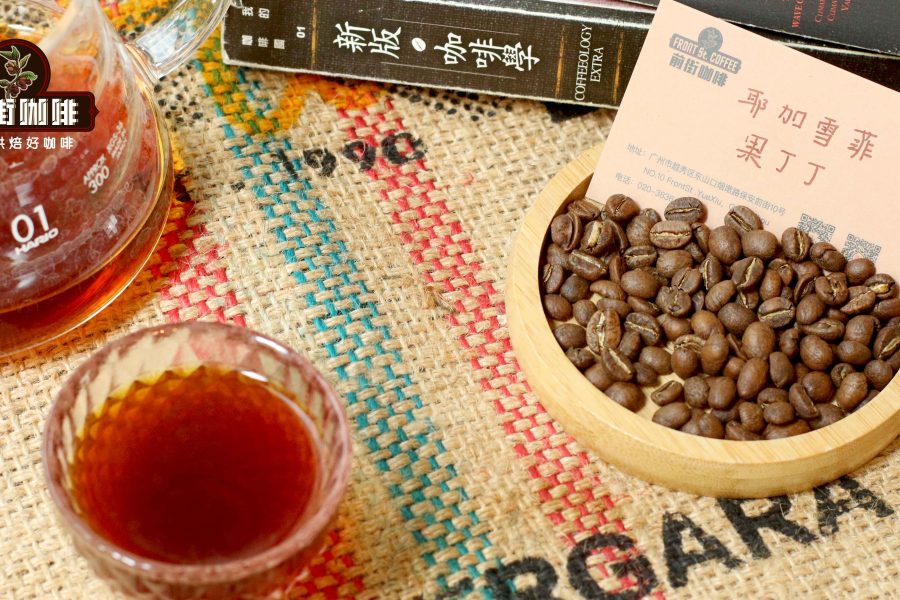
Introduction: When choosing drip bag coffee, flavor preference is key. This article focuses on classic washed coffee beans from Ethiopia's Yirgacheffe region, explaining the source of their bright fruit acidity and floral and fruity aromas, and providing professional-grade pour-over parameters (water temperature, coffee-to-water ratio, grind size, etc.), along with staged pouring techniques and extraction time control to help you precisely recreate cafe-level flavor layers.
For coffee enthusiasts, facing a bewildering array of brands and flavor types, choice is often agonizing. The core appeal of a quality drip bag coffee lies in its ability to consistently present the terroir of a specific region—for example, classic washed beans from Ethiopia's Yirgacheffe region, which, with their signature fresh fruit aromas and lively acidity, have become the daily first choice for many.
Yirgacheffe is not only one of Ethiopia's highest-altitude coffee-growing regions (average altitude over 1,800 meters), but also a popular benchmark in the global specialty coffee market. It is not only an important transportation hub and coffee collection center, but also, thanks to advanced processing methods and experienced farmer teams, produces consistently high-quality beans. Among these, the washed processing method is the key step that creates its unique flavor.

The so-called washed method is one of the classic ways of processing green coffee: after picking, the coffee fruit must immediately enter the processing flow (delays cause fermented off-flavors), removing the skin, pulp and mucilage through water and fermentation. Specifically, the fermented beans are repeatedly rubbed and rinsed using washing tanks and continuously flowing fresh water until the surface is smooth and clean. At this point the coffee beans are still wrapped in the parchment (moisture content about 50%) and must be sun-dried (taking 1-3 weeks) to reduce moisture content below 12%, in order to prevent mold and lock in flavor. Although this process is time-consuming, it gives the coffee a cleaner, brighter flavor base.
Take the washed G1-grade beans from the Gedeb area of Yirgacheffe as an example: the producing area is located in Gedeb village, the core of Yirgacheffe, at a growing altitude of 1,900 meters, using local native coffee varieties, processed through a standard washing flow and then light roasted (retaining more floral and fruity compounds). Its flavor characteristics are clearly recognizable—on entry, you first catch the fresh sweetness of freshly squeezed apple juice and a delicate orange-blossom aroma; the middle gradually releases the bright acidity of citrus fruits and the fruity layers of nectarine; the finish continues with the mild mellow richness of black tea, with excellent overall balance.
Want to recreate this flavor experience at home? Here is a proven pour-over parameter plan (based on 15 grams of coffee):
• Basic parameters: water temperature controlled at 91±1°C (suitable for light-roasted beans), coffee-to-water ratio 1:16 (final extraction about 240 ml), grind size recommended BG-6S (equivalent to medium-fine grind, similar to the texture of granulated sugar);
• Equipment pairing: V60 dripper (moderate flow rate, conducive to unfolding flavor layers);
• Pouring steps: first pour 30 grams of water for a 28-30 second bloom (activating the coffee grounds), then pour 120 grams of water in a circular motion and pause (cumulative water 150 grams), and after the flow noticeably slows, continue pouring to a total of 230 grams of water (avoiding the astringent, harsh compounds of the late extraction stage), finally discarding any remaining undripped liquid;
• Time control: total extraction about 2 minutes (timed from the start of pouring); too long may cause over-extraction and bitterness.

Notes: ① For water, filtered soft water is recommended (avoiding scale or impurities interfering with flavor); ② During the bloom, ensure the coffee grounds absorb water evenly and expand (the criterion is the appearance of obvious "mushroom cloud" bubbles on the surface of the bed); ③ Keep the water flow steady while pouring and cover the center and edges of the coffee bed in a spiral, preventing localized over-extraction. If you prefer a stronger body, you can slightly adjust the coffee-to-water ratio to 1:15 (increasing to about 225 ml), but the extraction time should be extended to within 2 minutes 10 seconds.
In addition, brewing drip bag coffee also requires attention to equipment cleanliness—residual oils in the filter bag may affect subsequent flavor, so it is recommended to clean and air-dry promptly after each use. For storage, place the drip bags in a light-blocking, sealed container (food-grade desiccant can be added), avoiding moisture or high temperatures that cause aroma loss.