Indonesia's Three Major Specialty Coffee Brands: Flavor Profiles and Buying Guide
Introduction: As the world's third-largest coffee producer, Indonesia's unique geography nurtures beans with distinctive flavors. This article takes an in-depth look at Indonesia's three most representative coffee-producing regions and their brands, detailing the full body of Mandheling, the balance of Java, and the intensity of Sulawesi, and explaining the special process behind kopi luwak. It also offers cost-effective buying advice to help you find Indonesian coffee beans that suit your taste preferences.
When people mention Indonesia, most first think of the resort paradise of Bali, but this archipelagic nation is also an important origin that coffee lovers cannot overlook. As the world's largest coffee-growing country, Indonesia ranks behind Brazil and Vietnam in output due to limited production efficiency, yet its unique island microclimates and long cultivation history have produced high-quality coffee beans with distinctive flavors.
Indonesian coffee cultivation dates back to the colonial period at the end of the 17th century. After the first batch of coffee seedlings was destroyed by floods in 1696, trees introduced a second time in 1699 successfully bore fruit in 1701, opening this Southeast Asian country's coffee chapter. The initial planting areas were concentrated around Jakarta, later gradually expanding to major producing regions such as central and eastern Java, Sumatra, Sulawesi and Bali.
As early as 1711, Indonesian coffee had already reached the European market, making it the first region after Africa and the Arabian region to achieve large-scale cultivation. In the 1780s, its export volume once ranked first in the world, and the term "Java coffee" originates from this golden period. Today, 90% of the country's output is Robusta, known for its intensity and full body; the remaining high-quality Arabica is concentrated in high-altitude regions.
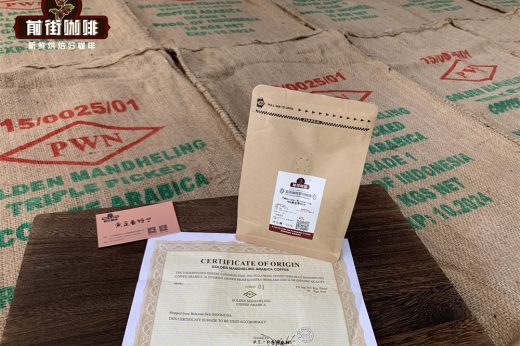
Indonesia's three iconic coffee-producing regions each have their own characteristics: Sumatra Mandheling is known for its full nutty notes paired with a signature herbal aroma, its moderate acidity forming a unique balance with its intense richness; Arabica from Java has bright citrus acidity and soft sweetness; and Sulawesi coffee stands out for its large, plump bean shape and layered floral and fruity aromas. The microclimate differences among these regions create entirely different flavor spectrums.
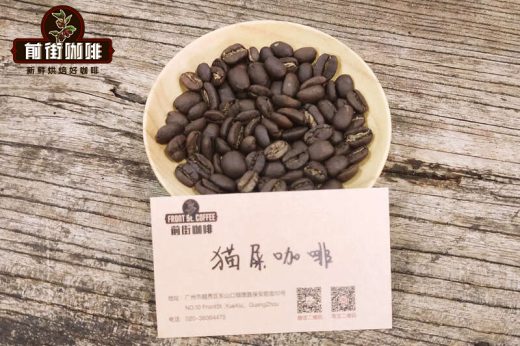
Particularly noteworthy is Sumatra's unique kopi luwak (also known as civet coffee). These beans, which undergo special fermentation through the civet's digestive system, have a peculiar name but genuinely offer a rich, silky mouthfeel and low bitterness. Note that genuine wild kopi luwak is scarce, and consumers should buy certified products through proper channels.
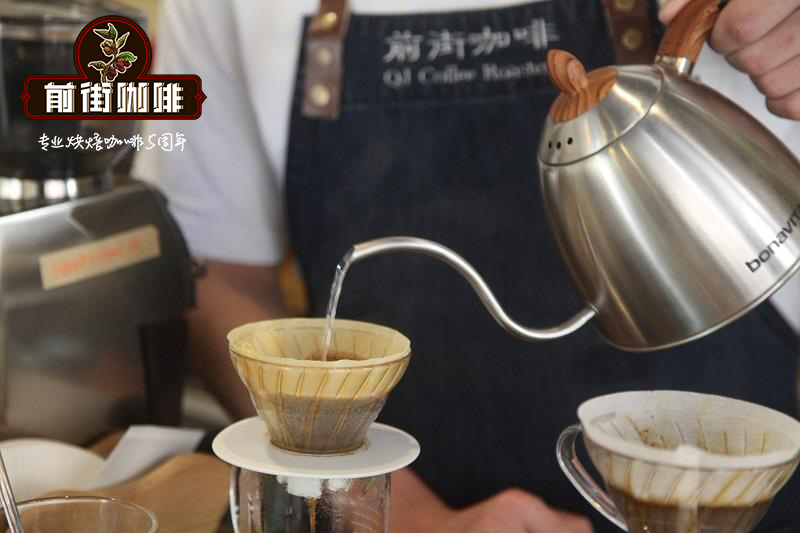
Buying advice: For everyday drinking, prioritize medium-dark roasted Sumatra Mandheling; its consistent flavor and 18-22 screen size pass rate suit most brewing equipment. Pour-over enthusiasts can try medium-roasted beans from Java, where a water temperature of 92-94°C better brings out their sweet-acid balance. When buying, check the elevation labeling (quality regions are usually above 1,200 meters) and the roast date (choose fresh batches within 2-4 weeks of roasting).
The diversity of Indonesian coffee offers rich choices for drinkers with different preferences. From the richness of classic Mandheling to the floral and fruity notes of emerging specialty regions, exploring the unique charm of these island coffees will be an unforgettable experience on your coffee journey.