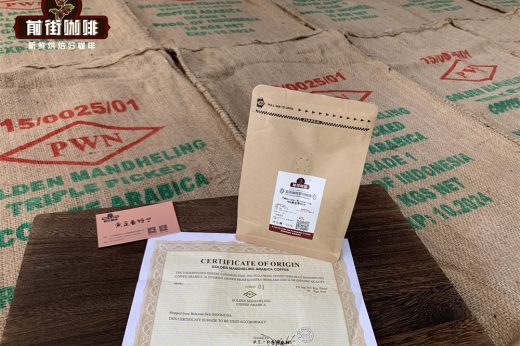
The Truth About Indonesian Kopi Luwak: Risks Behind High Prices and Alternative Beans
Introduction: Kopi luwak, one of the most expensive coffee categories in the world, has sparked heated discussion over its distinctive flavor and scarce output. This article takes an in-depth look at the fermentation process of Indonesian civet coffee, the chaos in the market and the animal-ethics controversy, compares it with Vietnamese imitation instant products, provides professional brewing parameters and a flavor guide, and recommends several high-value alternative beans to suit different palates.
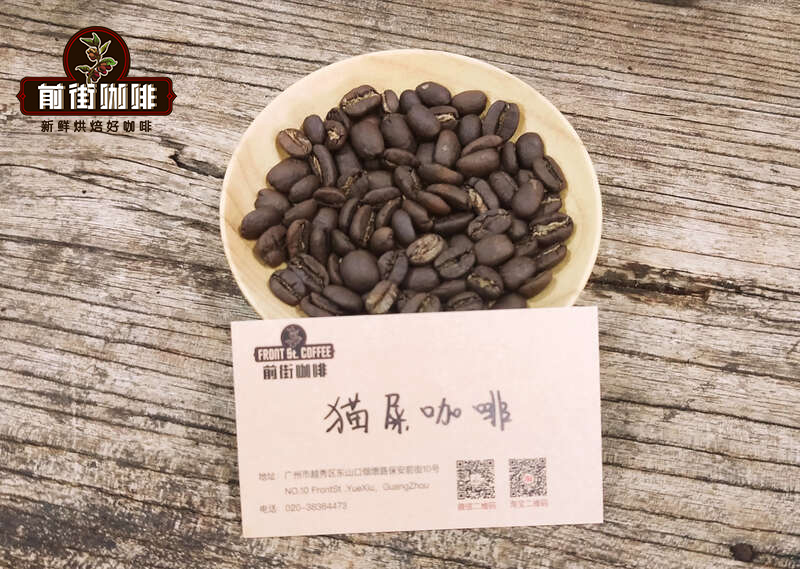
Among coffee enthusiasts, word circulates of a special drink known as "cat poop coffee." This coffee from Indonesia is called the "aristocrat" of the coffee world because of its unique processing method; its thick body is close to syrup and carries distinct earthy and Chinese-herb notes. Experienced tasters describe a cooling mint-like aftertaste that lingers in the mouth, a special experience that comes from the natural fermentation of coffee beans in the civet's digestive system.

True civet coffee (Kopi Luwak) originates on the Indonesian island of Sumatra, and "Luwak" in the name refers to the wild civet native to the region. During the colonial period, the Dutch discovered by chance that when civets eat ripe coffee cherries, the beans excreted afterward develop a completely different flavor through digestion. This processing involves two key steps: the coffee pulp is digested and absorbed, while the hard beans, as they pass through the civet's intestines, are both softened by the acidic environment and coated with musk oils secreted by the reproductive glands, ultimately producing a distinctive sweet, smooth mouthfeel.
The current market situation, however, is worrying. Vietnam, the world's second-largest coffee producer, mainly grows robusta, and the large quantities of so-called "civet coffee" it produces are in fact instant flavored beverages. Such products cost only a few yuan per sachet, in stark contrast to authentic civet coffee at 1,500 yuan per 50 grams—the latter has an annual output of less than 400 kilograms, putting the cost per cup at about 400 yuan. Consumers should beware of low-price traps; genuine civet coffee starts with collecting civet droppings and requires 12 processing steps including repeated washing and roasting.

The living conditions of civets have raised ethical controversy. To meet market demand, captive farms commonly mistreat the animals: cramped iron cages cause civets to bite one another, and force-feeding of excessive coffee cherries leads to digestive illness. Although farms claim to use arabica beans to improve quality, the natural fermentation that comes from wild civets foraging on their own remains hard to replicate. Notably, beans processed through the digestive tract become exceptionally smooth on the surface, and astringent compounds are naturally broken down—a trait mechanical processing cannot imitate.

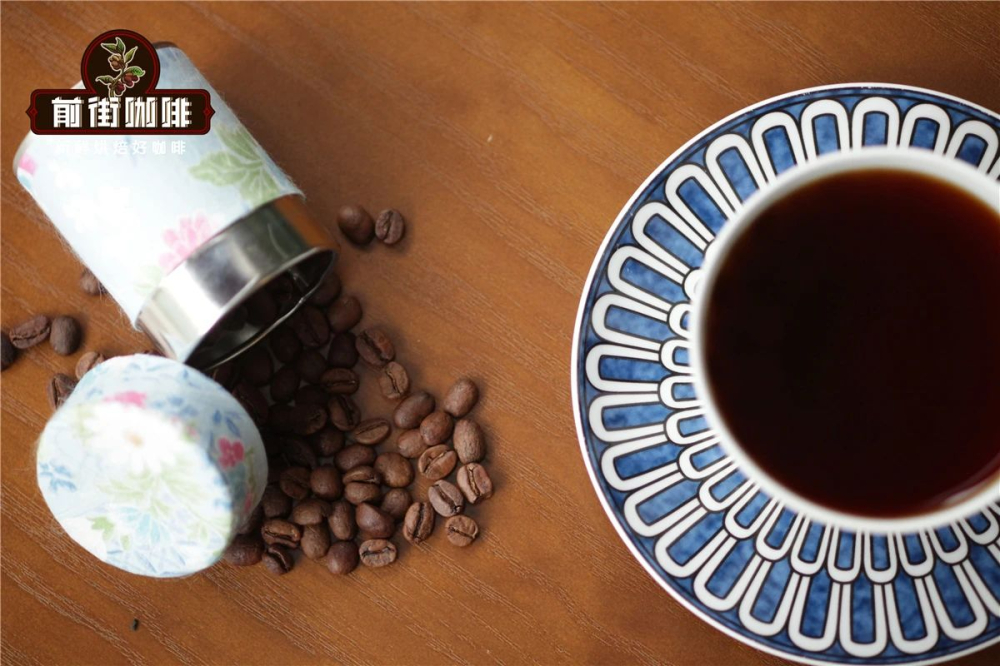
For professional brewing, a medium-dark roast is recommended (suggested roast level: City to Full City), which better balances the herbal base with nutty notes. A KONO dripper is recommended, with a medium-fine grind passing 75% through a No. 20 sieve (about 0.85 mm particle size), and water temperature controlled at 88±2°C. Specific parameters: 15 grams of coffee to 225 milliliters of water, using a center-pour method to maintain a 92% extraction rate. When pouring in slow circles with a thick stream, watch the bloom in the first 30 seconds; fresh beans should form a distinct "hamburger layer."

The flavor wheel shows typical characteristics including: dark chocolate (35%), fermented fruit (25%), herbs (20%) and a caramel finish (15%). Avoid adding sugar or milk when drinking; pairing with high-cocoa dark chocolate is suggested to add complexity. Important note: this coffee has a caffeine content of 1.8%, so sensitive individuals should not drink more than 30 ml at a time.

Consumers seeking special flavors may consider the following alternatives: Panama Geisha (floral, suited to pour-over), Ethiopian Hachira (citrus notes, natural process), and Brazilian Yellow Bourbon (balanced nuts and caramel, suited to a French press). These varieties all have distinct regional character, and their production meets animal-welfare standards. Special reminder: store raw civet coffee beans sealed and away from light; after opening, use a one-way valve container and keep it in a cool place at 18-22°C.

As for brewing equipment, a V60 dripper suits highlighting bright acidity, while a cake cup enhances body. If using a moka pot, adjust the coffee-to-water ratio to 1:5 and keep the heat at medium. Whichever alternative bean you choose, freshness is key—choose beans roasted within the past 7 days; flavor peaks after a 3-5 day resting period.

Industry data shows that certification costs for legal civet coffee account for about 40% of the retail price, and consumers can verify authenticity through the international Fairtrade certification mark. For ordinary enthusiasts, trying Indonesia's Golden Mandheling (wet-hulled process) or beans from the Sumatra Lintong region offers the same experience of rich, full-bodied Southeast Asian coffee character. Remember, a quality coffee experience should not come at the expense of animal welfare.

A final reminder: if the brew turns excessively bitter, check whether the grind is too fine (ideal range: 70-80% passing through the Chinese standard No. 20 sieve) or the water temperature too high. Regular cleaning of brewing equipment (descaling weekly with food-grade citric acid is recommended) keeps flavors pure. Exploring coffee flavors from different regions not only brings more surprises but is also an important way to support a sustainable coffee industry.