A Guide to Indonesia's Five Classic Mandheling Coffees and Their Flavor Differences
Introduction: From Golden Mandheling to Horse-Face Mandheling, this guide takes you through the origins, processing methods, and flavor differences of Indonesia's five well-known Mandheling coffees. It explains the flavor characteristics, roasting suggestions, and pour-over parameters of different Mandheling varieties to help you find the Mandheling flavor that suits you and improve your coffee-tasting experience.
Indonesia is one of the world's important coffee-producing regions, and Mandheling coffee is known for its uniquely full-bodied mouthfeel and spicy flavors. Mandheling is not a single variety; it is a general term for various high-quality Arabica coffees produced on the Indonesian island of Sumatra. Today we will take an in-depth look at five Mandheling coffees, including Golden Mandheling, Lintong Mandheling, and Tiger Mandheling, from their flavor characteristics and growing environments to their processing methods, to help you better understand and choose among them.
First, let's talk about the origin of the name Mandheling, which actually comes from a historical misunderstanding. After the end of World War II, Japanese soldiers stationed in Indonesia praised the local coffee highly and wanted to taste it again after returning home. They contacted local residents through trading partners to buy high-quality coffee beans. The locals mistakenly thought they were asking about the name of their tribe and answered "Mandailing," which was heard as "Mandehling" and gradually evolved into today's "Mandheling." This beautiful misunderstanding created a world-famous coffee name.
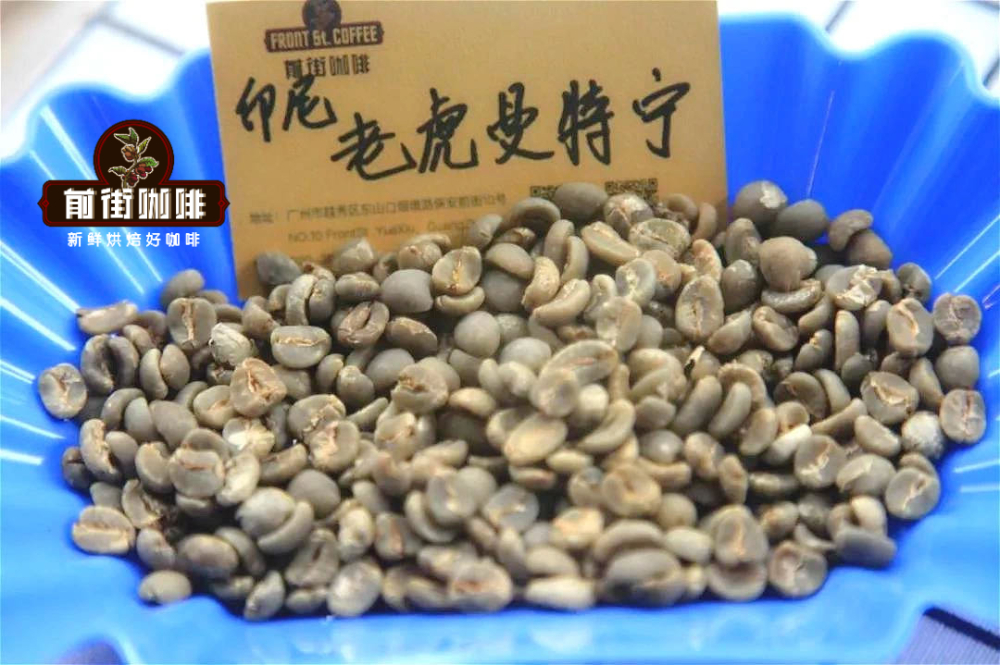
Horse-Face Mandheling, also called TimTim or Longberry, gets its name from its long, slender bean shape, which looks like a horse's face or a long strip. This coffee bean is actually a natural hybrid of Arabica and Robusta, first discovered on Timor Island in the 1940s. Because it combines strong disease resistance with certain flavor characteristics, it is also called Bor Bor in Indonesia. Although its flavor is not as refined as that of pure Arabica, it can provide a special mouthfeel in blends or specific coffee combinations.
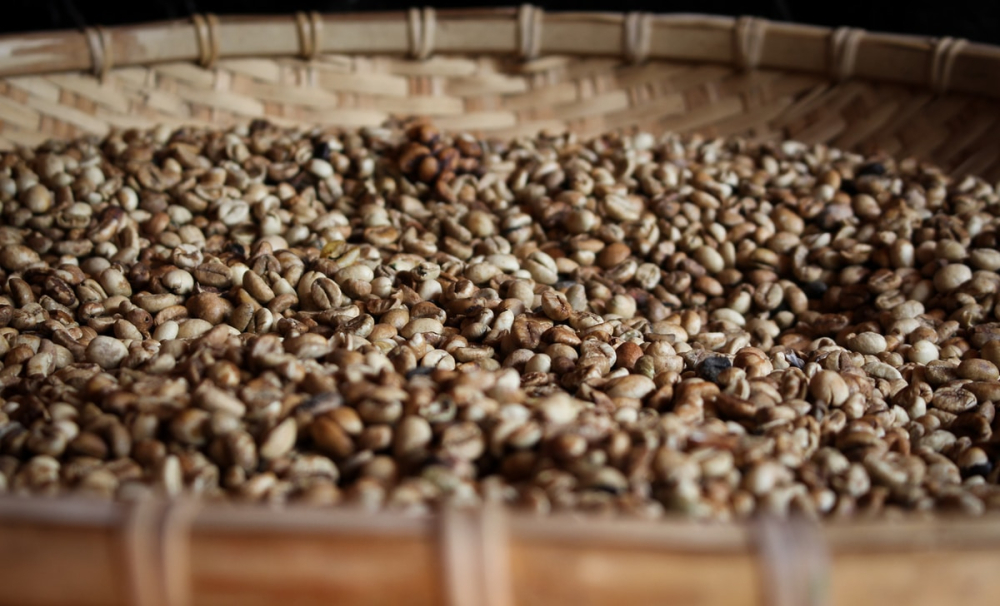
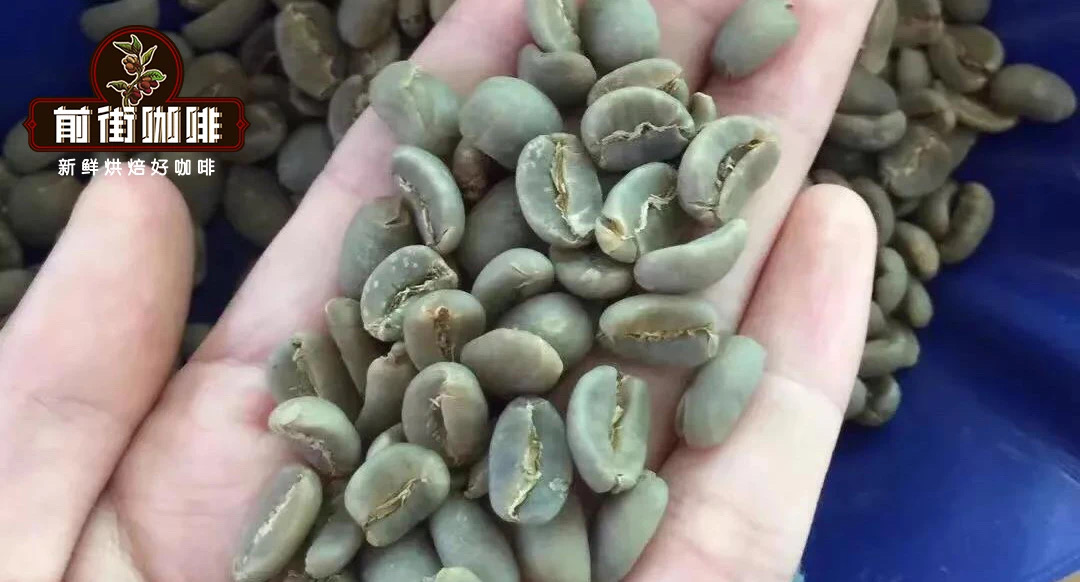
Lintong Mandheling is the type of Mandheling people most often encounter. It comes from the Lintong region in north-central Sumatra, near the famous Lake Toba. The coffee here is processed using the traditional wet-hulling method, which creates its low acidity and full, rich body, as well as its distinctive earthy and herbal aromas. Note that because the green beans are in a semi-dry state during wet hulling, the beans are easily bruised and form patterns resembling sheep hooves. This is normal and not a defect. It is grown at elevations between 1,100 and 1,600 meters, in fertile volcanic soil, with Caturra and Typica as the main varieties.
Tiger Mandheling is a more quality-focused type of Mandheling. Only specialty beans with a defect rate below 4% and a screen size of 17 or above can bear the name "Tiger Mandheling." It usually uses high-quality varieties such as Caturra and Typica; the former brings bright citrus and lemon acidity, while the latter gives lasting sweetness and a clean finish, with an overall balanced performance and high cleanliness. Tiger Mandheling mainly comes from areas of northern Sumatra at about 1,500 meters in elevation and is also processed using the wet-hulling method, with a clear regional character.
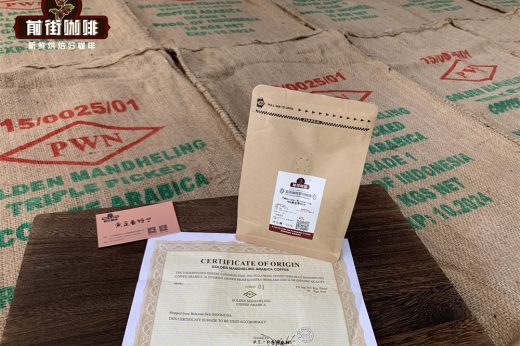
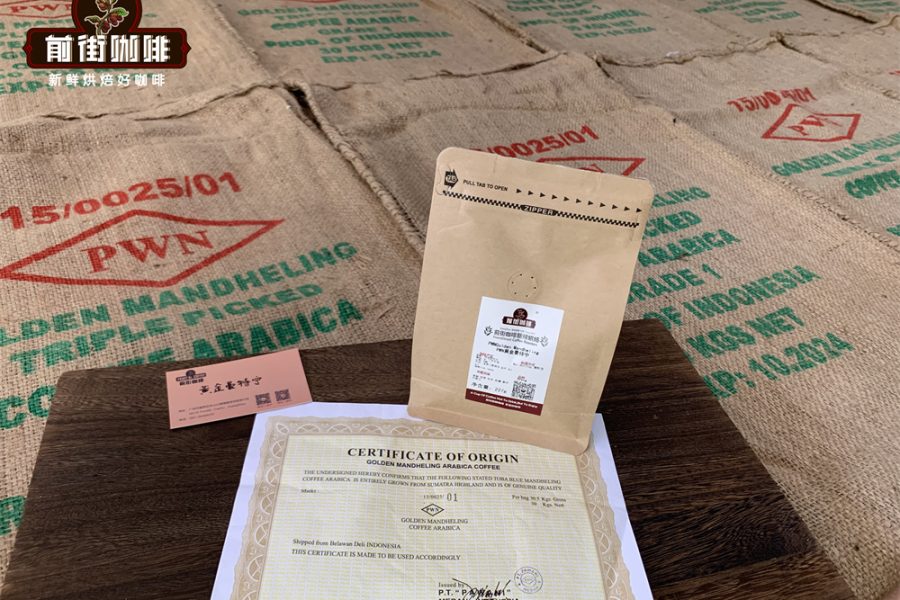
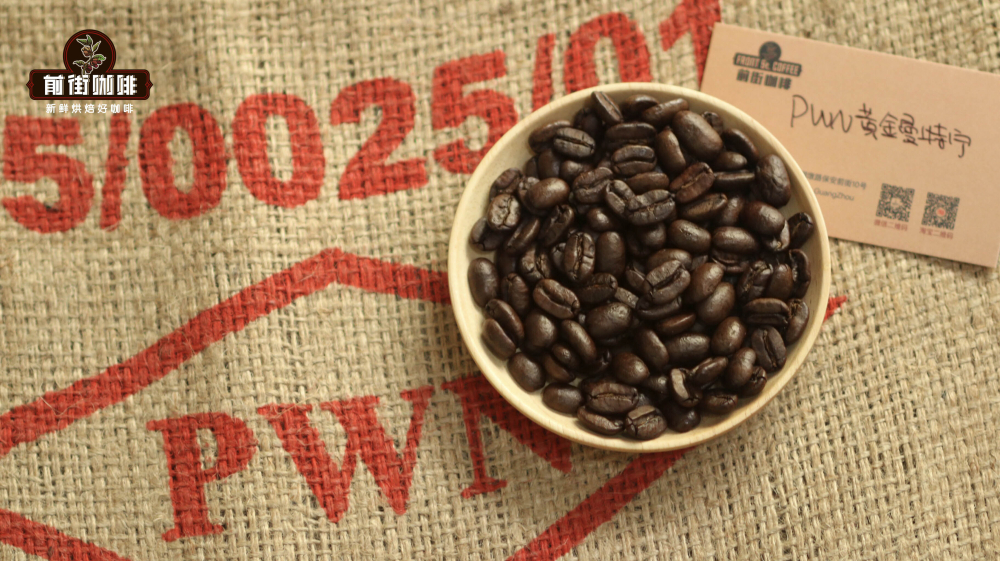
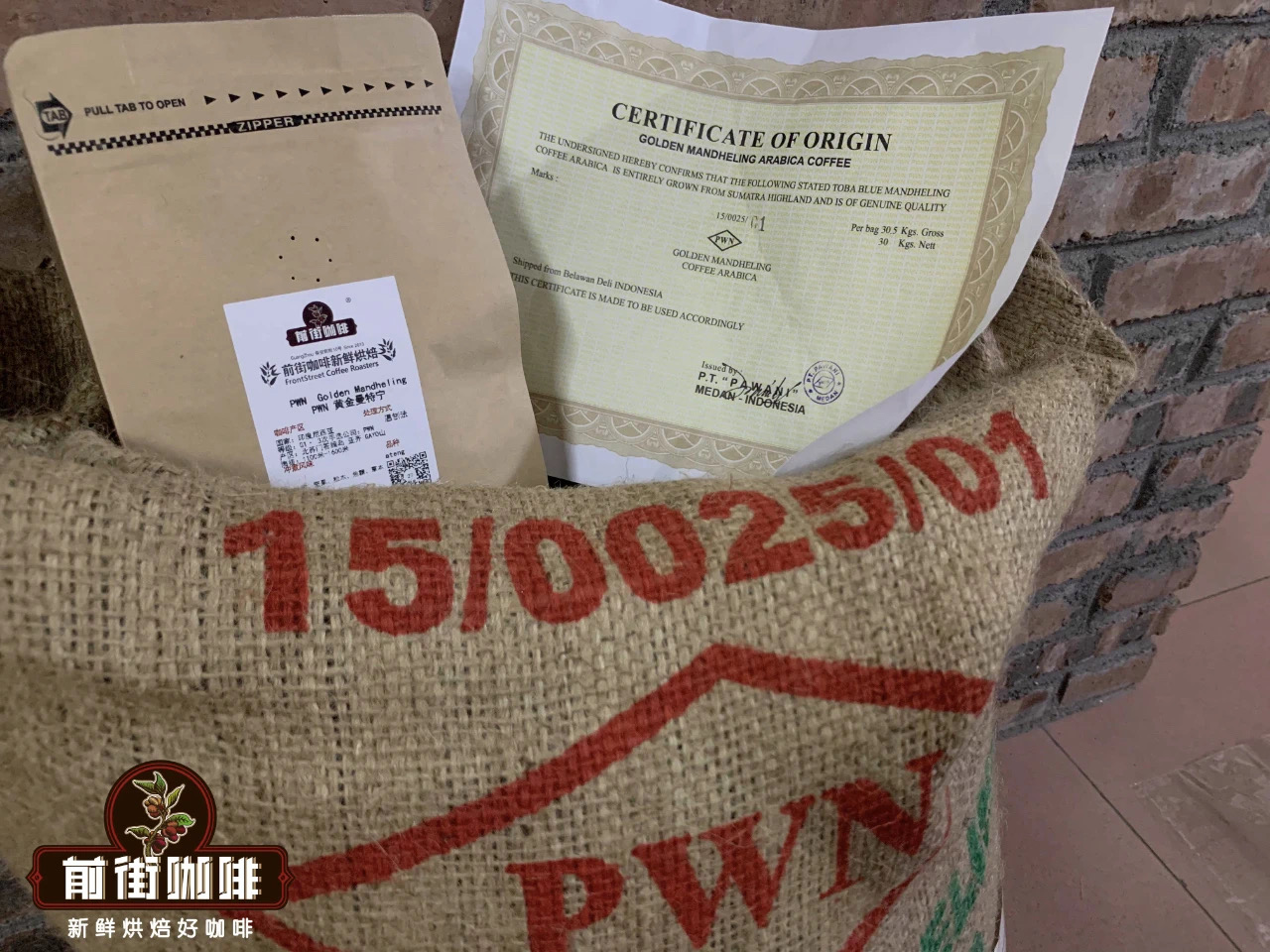
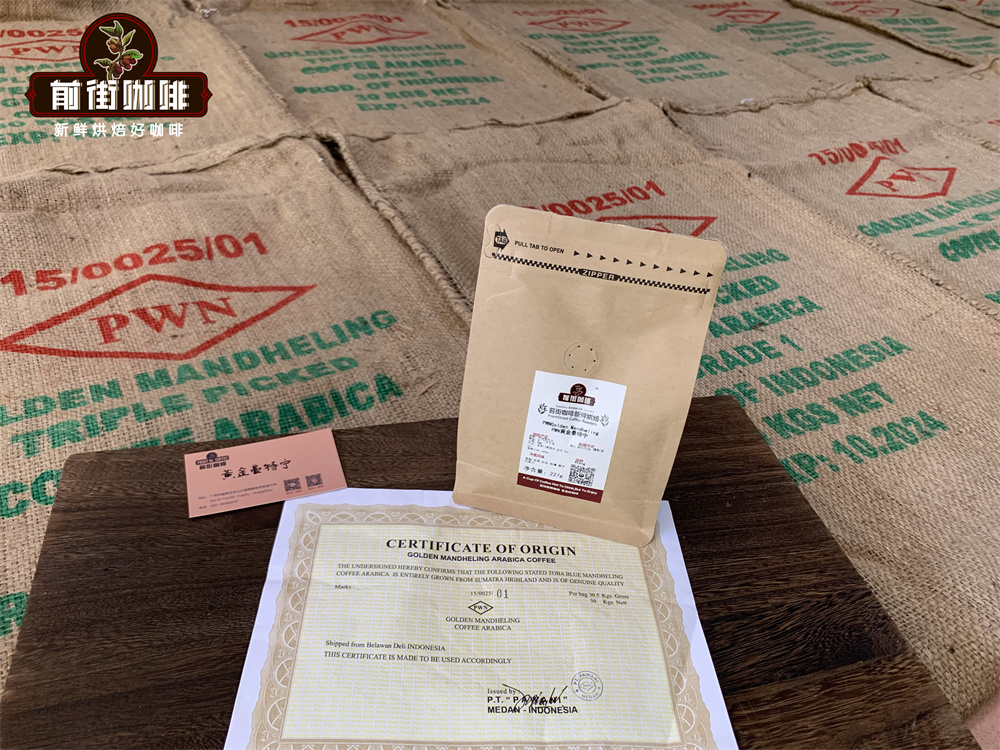
Among the many Mandhelings, Golden Mandheling is undoubtedly the representative of quality. It is carefully selected by the Indonesian green coffee company PWN and is a high-end product line within Mandheling. Genuine Golden Mandheling comes with PWN's certification certificate and logo on the packaging to ensure a reliable source. In this year's new crop season, PWN chose the more northerly Gayo Mountain region in Aceh as its raw material source, a change that reflects recognition of the coffee quality in this area. Compared with the traditional Lintong or Lake Tawar regions, Gayo Mountain is also at an elevation of 1,100 to 1,600 meters, but its climate and soil conditions give the coffee finer sweetness and complexity. In addition, the variety used in the new crop season is "Ateng," the local Indonesian name for Catimor. This variety is highly adaptable and can produce coffee with a unique flavor expression in this region.
It is worth mentioning that coffee exports from the Aceh region were once affected by political issues, but in recent years, as the situation has stabilized, its coffee industry has gradually recovered, especially with notable improvements in quality control and export capacity. As a result, coffee from the Gayo Mountain region is becoming a new highlight within Mandheling.
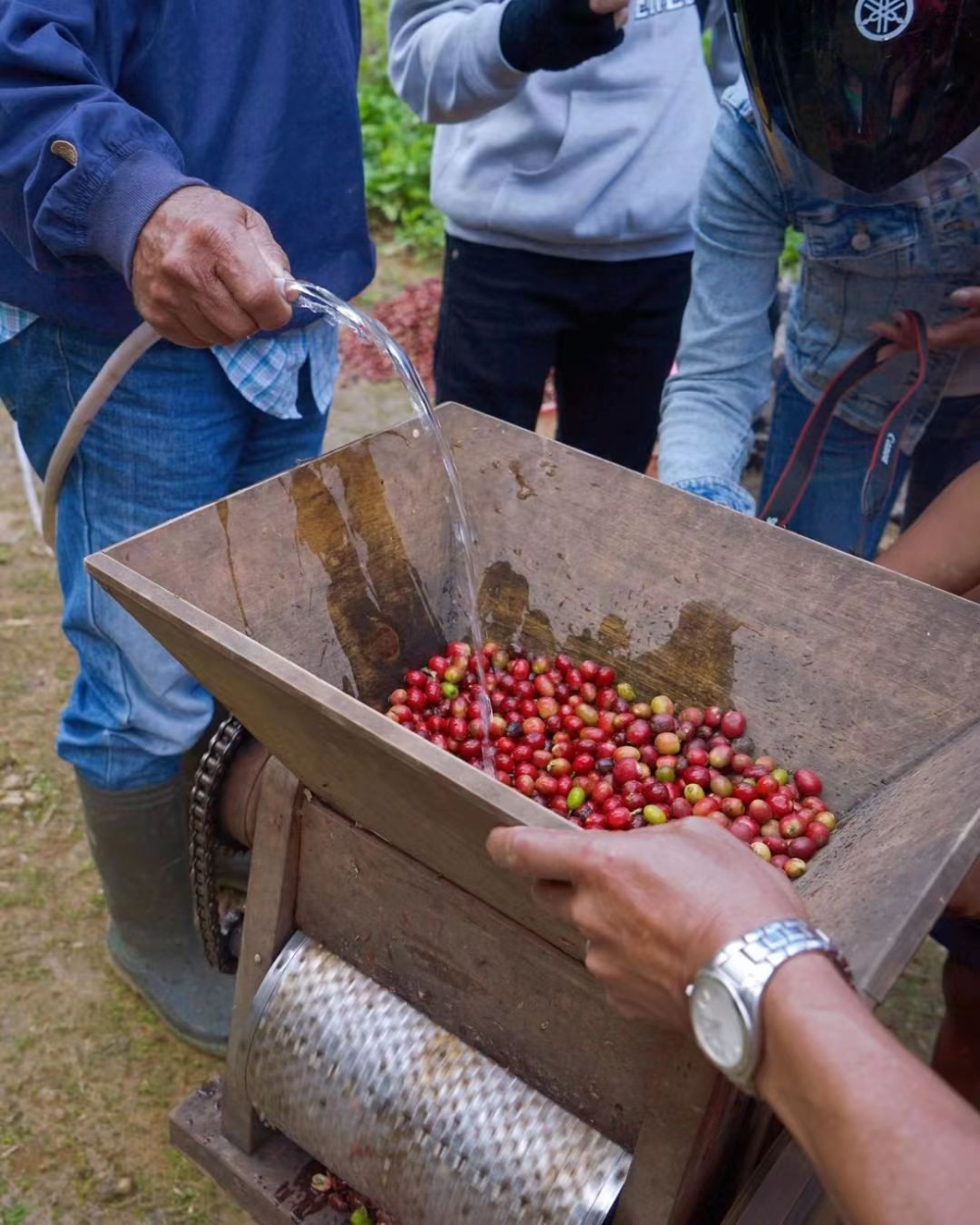
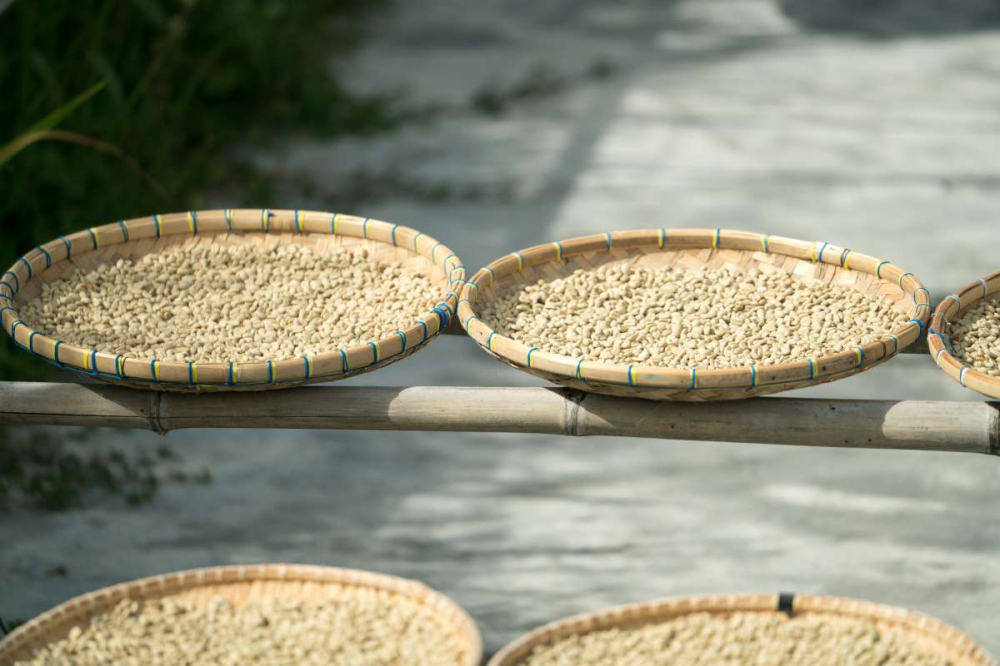
Regarding Mandheling's processing method, wet hulling is the most representative technique. Because Sumatra's climate is rainy and unsuitable for long sun-drying, and due to economic constraints, locals developed this unique method. Wet hulling first removes the skin and pulp, then ferments and performs initial drying. When the moisture content drops to 30%-50%, the mucilage and parchment layer are hulled off, and drying continues to 12%-13%. This method gives the coffee beans their low acidity, full body, and earthy and woody aromas, and it is the soul of Mandheling's flavor.
In addition to the regular wet-hulling method, there is also aged wet-hulling, in which processed coffee beans are stored for 2-3 years and turned regularly to prevent mold. Through long aging, the coffee's acidity gradually transforms into richer sweetness, the color turns dark brown, and the flavor becomes rounder and more complex. This type of coffee is usually called Aged Mandheling and suits veteran drinkers who enjoy a rich, full-bodied mouthfeel.
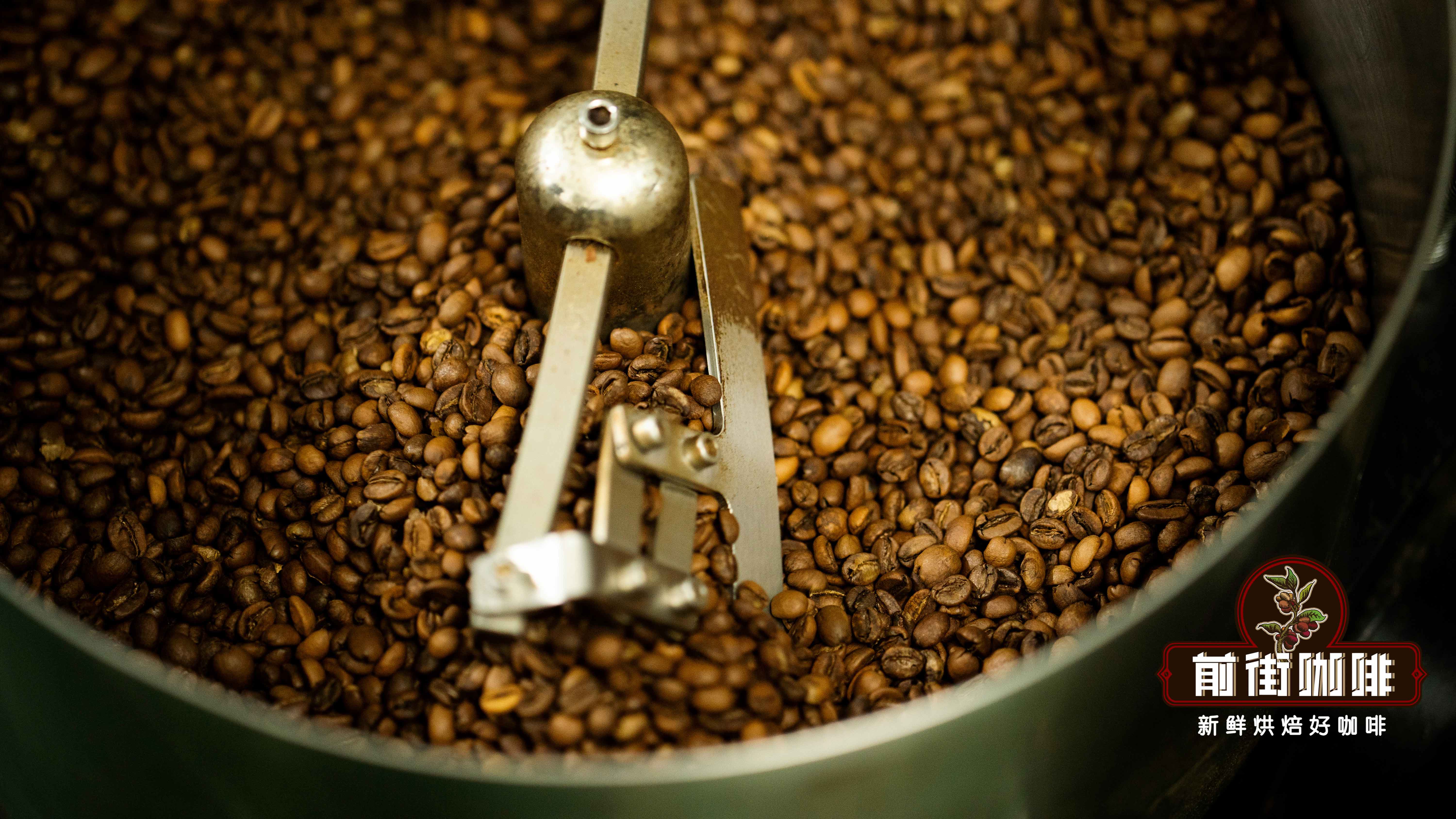
In terms of roasting, Golden Mandheling, with its high-quality flavor layers, has rich herbal aromas, caramel sweetness, and spicy notes. Even when dropped before second crack, it can show good transparency and sweetness, giving roasters considerable room to work with. Lintong Mandheling, on the other hand, is best roasted to after second crack to reduce off-flavors and highlight its full-bodied character. A general pour-over suggestion is: use medium-dark roasted Golden Mandheling with a KONO dripper, set the grind to medium-coarse (57% passing through a No. 20 sieve), use a coffee-to-water ratio of 1:15, and keep the water temperature at 88°C. This effectively highlights its full-bodied, clean characteristics.
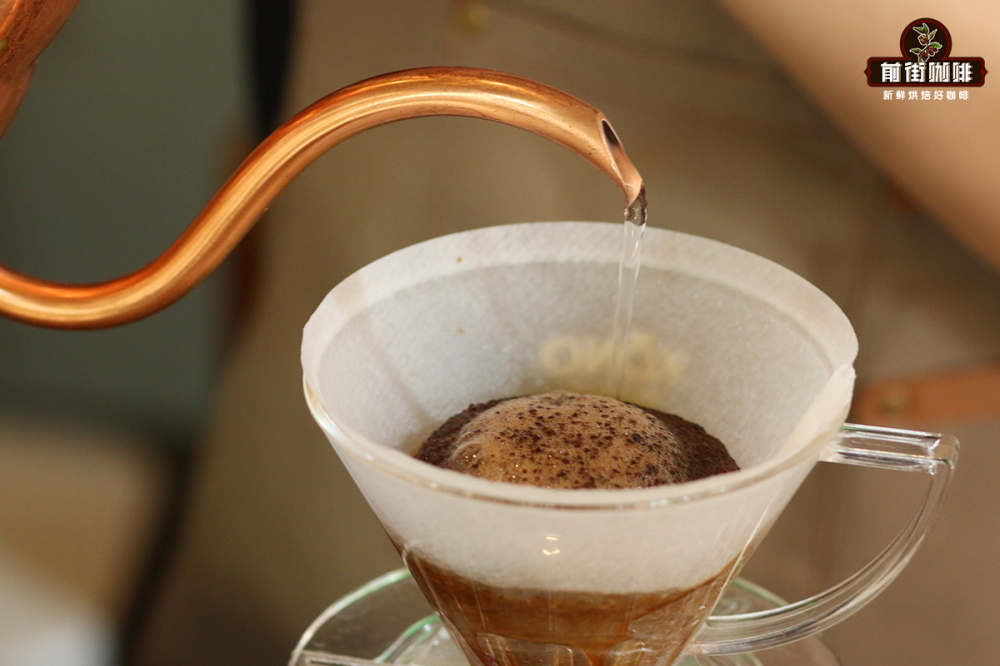
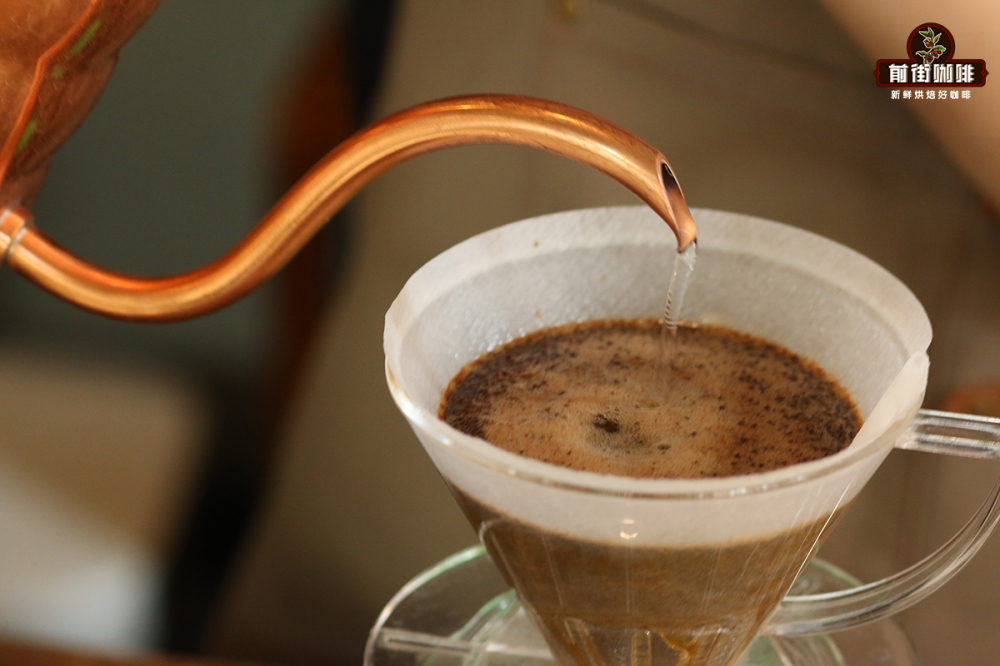
The specific brewing steps are as follows: first, rinse and preheat the dripper, then steadily pour in 15 grams of ground coffee, avoiding shaking. For the first pour, add 30 grams of water and let it bloom for 30 seconds so the coffee grounds can fully release gas and expand; then, for the second pour, spiral in 120 grams of water, keeping the pouring height close to the coffee bed and the motion gentle; finally, pour in 100 grams of water and wait for all the coffee liquid to drip through to end extraction, with a total time of about 2 minutes. These parameters help balance body and flavor clarity.
In summary, from the distinctive appearance of Horse-Face Mandheling to the refined flavor of Golden Mandheling, each type of Mandheling carries Sumatra's unique terroir and processing methods. Whether you are a beginner trying Mandheling for the first time or a coffee lover pursuing the ultimate flavor, you can find a favorite among this series of coffee beans. Understanding their differences will not only improve your coffee-tasting ability but also help you better understand the story behind every cup of Mandheling.