Indonesian Kopi Luwak Explained: Flavor, Price, and Buying Guide
Introduction: Kopi Luwak (also known as civet coffee), one of the world's most famous specially processed coffees, has always been controversial for its unique origins and high price. This article takes an in-depth look at the origin story and true flavor characteristics of Indonesian Kopi Luwak, reveals the core factors behind its persistently high price, and offers professional buying advice and brewing parameters to help coffee lovers fully understand this special category.
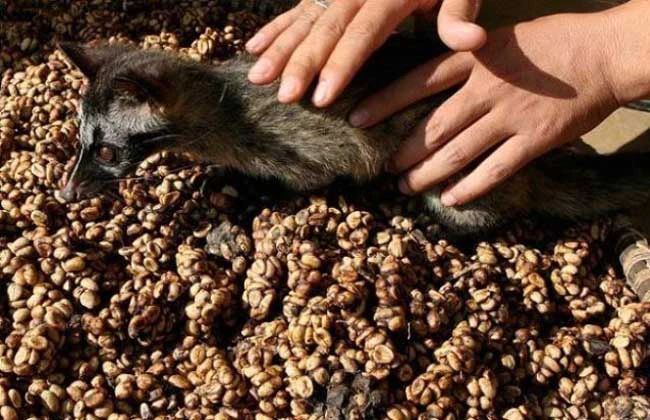
 The legend of Kopi Luwak began in the early 18th century on the Indonesian islands of Sumatra and Java. At the time, Dutch colonists monopolized coffee cultivation and forbade local residents from picking the fruit. By chance, locals discovered that wild civets would select ripe coffee cherries to eat but could not digest the beans, which were eventually excreted. These beans, processed through the animal's digestive tract, unexpectedly became a unique presence in coffee history.
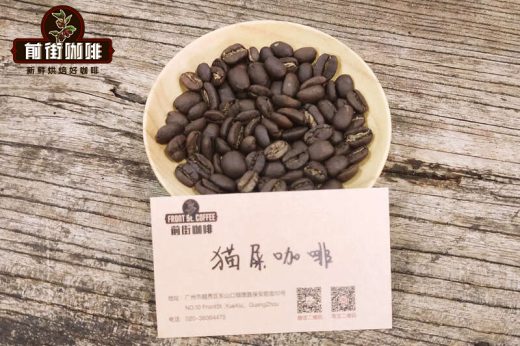
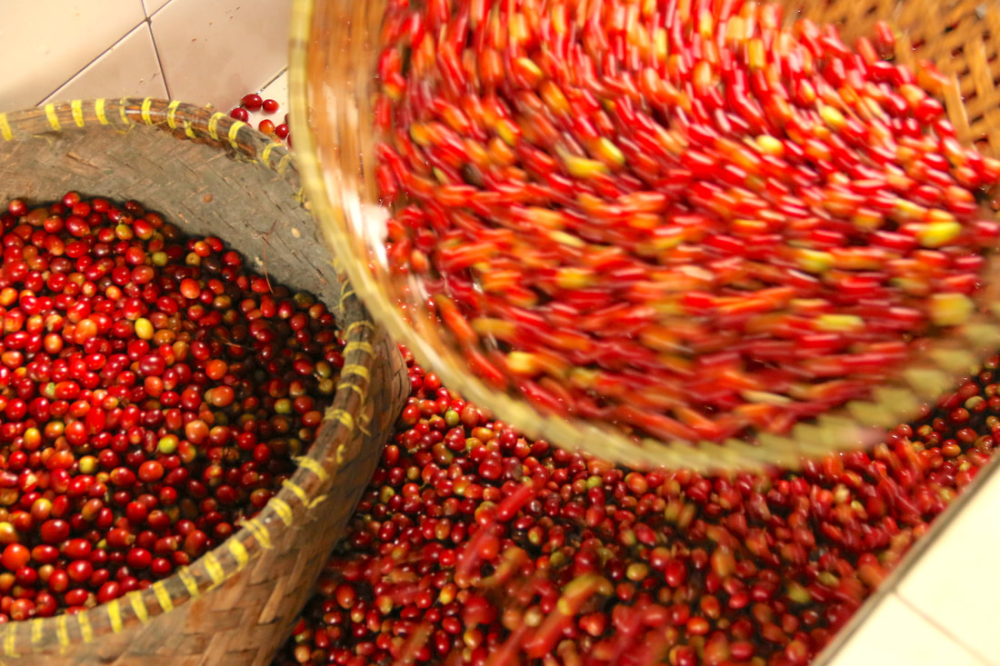
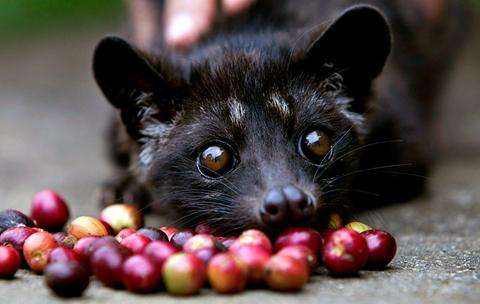 In terms of flavor, Indonesian Kopi Luwak presents complex layers. Because civets are mainly active below 2,100 meters in elevation, the beans they eat are mostly Robusta (typically accounting for over 60%), giving the coffee distinct earthy and herbal notes. At the same time, the civet's habit of selecting only fully ripe cherries means the coffee retains a full-bodied base similar to Sumatra Mandheling, but with more pronounced sweetness. Professional cupping shows typical flavors including dark chocolate, roasted nuts, herbs, and a distinctive fermented note.
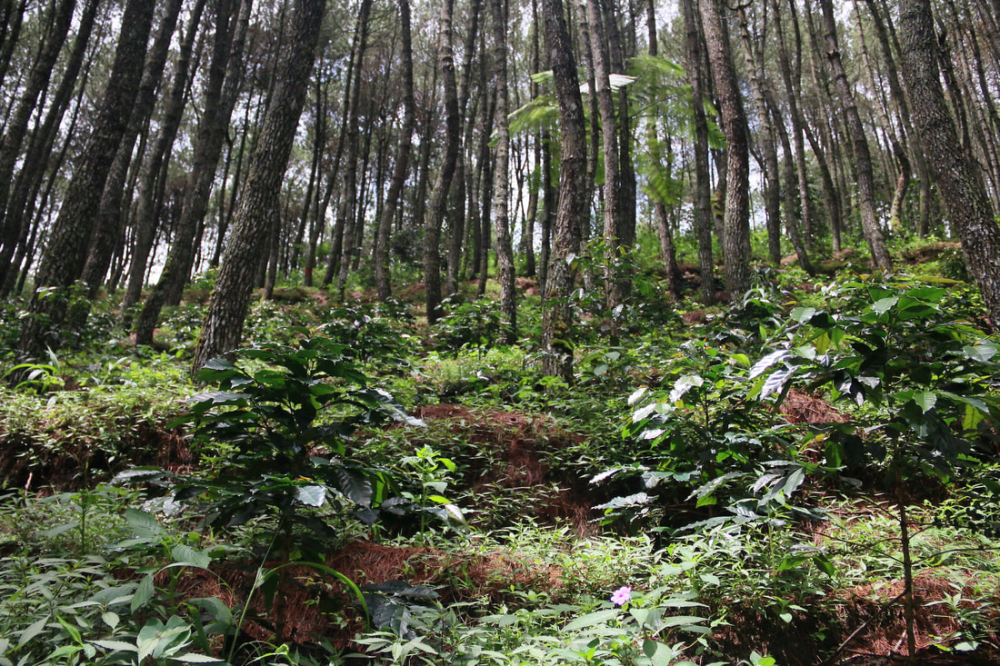 The legend of fermentation inside the civet's body should be viewed rationally. Although some believe that proteases in the animal's digestive tract break down the coffee beans' proteins, in reality the beans usually stay inside the civet for only 1–2 hours (far short of the time needed for chemical change during digestion). What really matters is the subsequent processing, which uses Indonesia's signature wet-hulling method—removing part of the parchment layer to speed drying, a technique that contributes significantly to the final full-bodied mouthfeel.
 Three core factors determine its high price: first, extremely low production (global annual output is less than 100 tons), and obtaining fruit naturally selected by wild civets is extremely difficult; second, a special quality-screening mechanism, as civets instinctively choose the ripest, sweetest cherries, theoretically yielding a lower defect rate than manual sorting; and finally, the effect of market scarcity, with wild raw beans fetching dozens of times the price of ordinary specialty coffee. Note in particular that the market includes products from captive civets (with poorer quality consistency) and imitations from other animals, so buy only through legitimate channels.
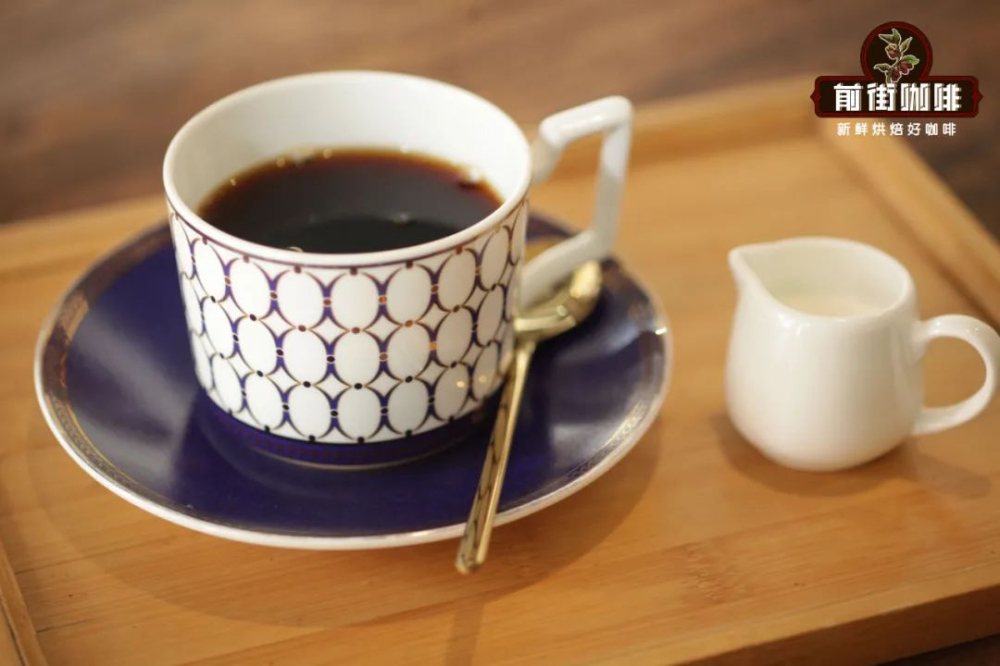
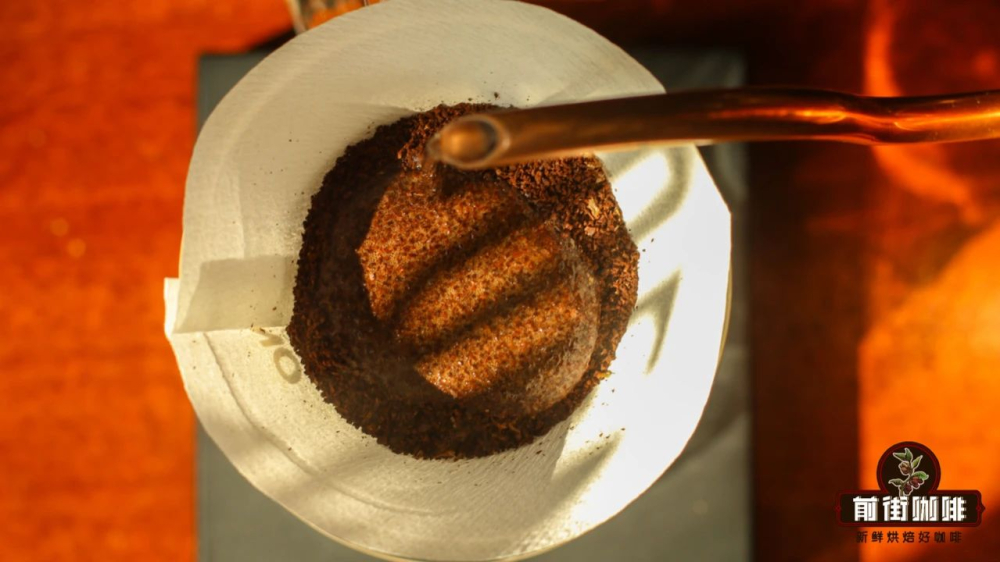
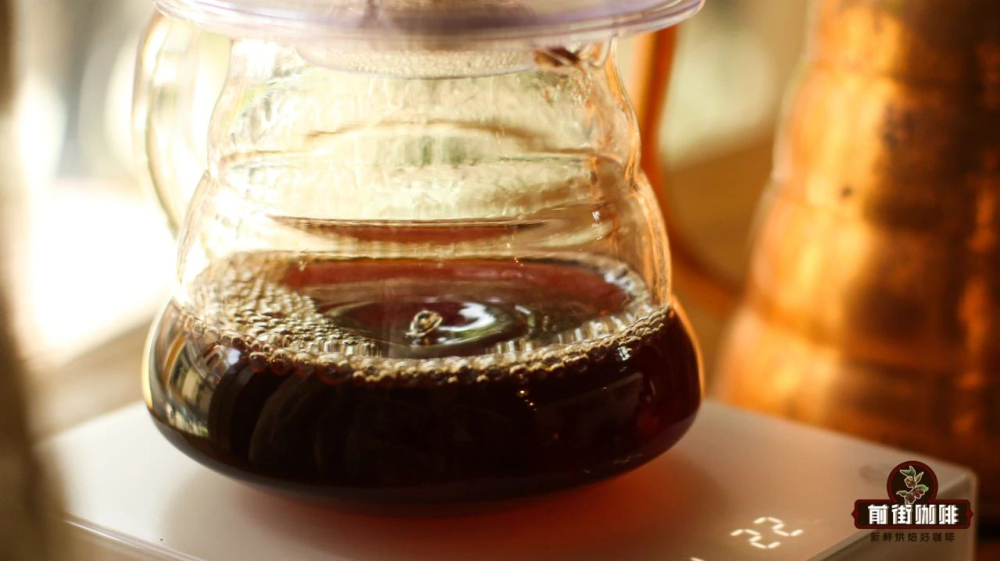
 Professional brewing advice: a medium-dark roast (Agtron 45–55 recommended) better balances its herbal and full-bodied characteristics. A KONO dripper is recommended (its ribs are concentrated in the top quarter), with a three-pour method: first pour 30 g of water and let it bloom for 25 seconds, then pour to 125 g until the water level drops by more than half, and finally add the remaining water to a 1:15 coffee-to-water ratio (recommended grind BG#6w, water temperature 86–87°C). The whole extraction takes about 1 minute 50 seconds to 2 minutes, fully bringing out its smooth mouthfeel and fermented layers.
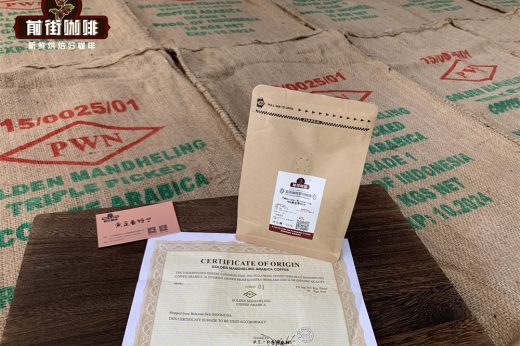
 Key indicators for identifying authentic product include: proof of origin (clearly marked Sumatra production area), a reasonable price range (wild raw beans usually exceed US$800 per kilogram), and flavor characteristics (it should have both fresh herbal notes and a full-bodied finish). Avoid products with abnormally low prices (below US$200/kg) or vague origins. First-time tasters are advised to buy a small sample pack to try.
 The current market shows that Indonesia remains the main producing region of Kopi Luwak (accounting for over 90% of the world total), with Sumatra's production area being the most consistent in quality. Products from the Philippines and Vietnam cost about 60–70% of Indonesian ones but usually have lower flavor complexity. It is worth noting that all legal products must pass animal welfare certification, and consumers should avoid buying so-called "A-grade" products of unknown origin.
 Brewing parameter tips: if using a pour-over device, pre-wet the filter paper to reduce papery interference; when brewing with a French press, extend the steep time to 4 minutes to enhance body; for espresso, adjust the grind to medium-fine (similar to granulated sugar) and keep extraction time at 25–30 seconds. Different devices emphasize different aspects of Kopi Luwak's unique flavor.
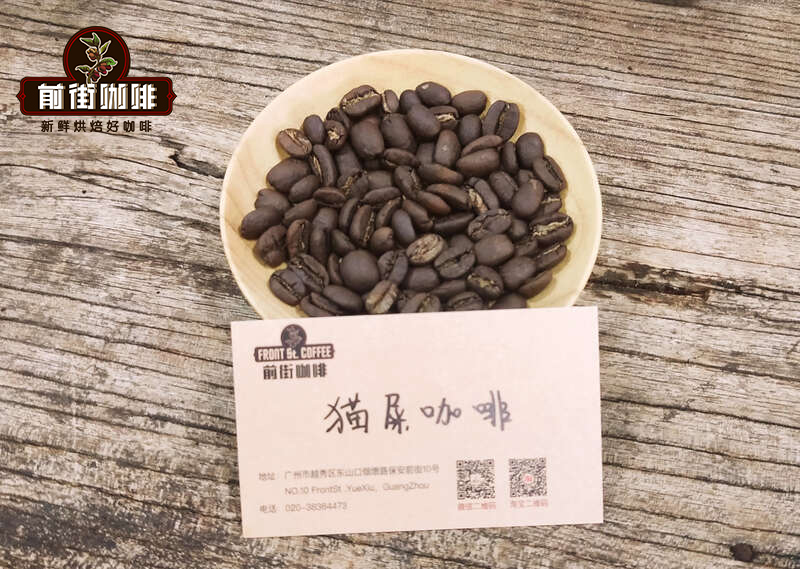 Storage notes: unopened Kopi Luwak should be kept away from light at 10–15°C; once opened, use an airtight canister with a one-way degassing valve and finish it within 2 weeks for the best flavor. Ground coffee should be used within 15 minutes to avoid rapid loss of aroma.
 Professional advice: Kopi Luwak is better suited to advanced coffee enthusiasts seeking a special experience. For everyday drinking, choose strictly hand-sorted high-quality Indonesian Mandheling or Ethiopian Yirgacheffe as alternatives; these also offer rich flavor layers, but at more affordable prices and in line with modern animal ethics standards.
 In summary, the value of Kopi Luwak lies not only in its unique processing method but also in the special cultural memory it carries in coffee's history. Only by understanding its real production process and flavor characteristics can one better appreciate the appeal of this legendary coffee.