Costa Rica Honey-Process Coffee: From Method to Brewing and Flavor
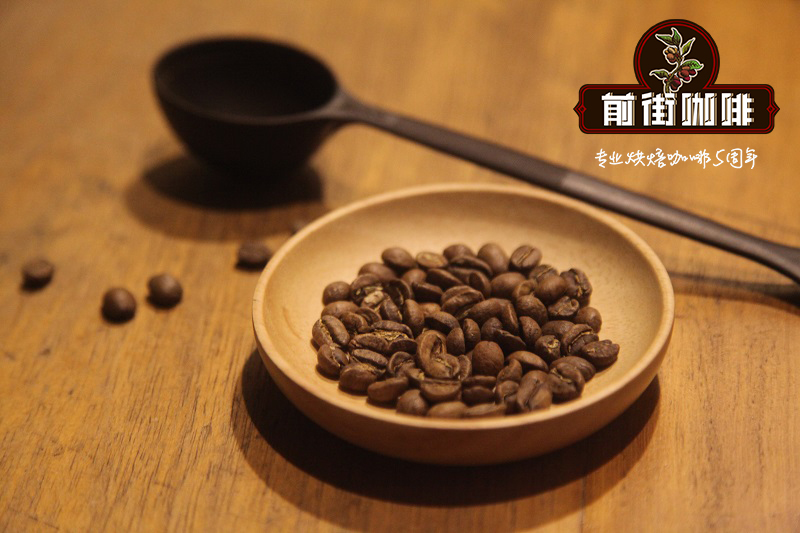
Introduction: Costa Rican coffee is known for its distinctive flavors, and honey processing is a signature technique of the country. This article explains the honey process in depth, analyzes the differences between yellow, red and black honey, examines their effects on coffee's sweet-acid balance and flavor layers, and offers professional brewing parameters to help you fully understand and experience the unique appeal of Costa Rican honey-processed coffee beans.
Coffee is popular worldwide not only for its stimulating effect but also for its ever-changing, captivating aromas and flavors. In a cup of quality coffee, more than a thousand flavor compounds can be perceived, and these complex tastes come from multiple factors such as climate, variety, roasting and brewing. Among these steps, coffee processing is one of the few key stages that can be controlled by humans and significantly influences the final flavor. Among them, honey processing, with its unique ability to shape sweetness and flavor, has become a representative technique of Costa Rican coffee.
Costa Rica, a small country in Central America, is one of the earliest regions in the world to grow coffee. As early as 1729, coffee was introduced from Cuba and has taken root ever since. The country mainly grows Arabica varieties, and its superior geographical environment and climate have made the coffee industry an important pillar of its economy. Nearly one-third of the population is engaged in coffee-related production. Fertile volcanic soil with good drainage, moderate altitude and abundant rainfall together create the clean, bright acidity and prominent sweetness of Costa Rican coffee.
Costa Rican coffee typically shows fresh fruit acidity like grapefruit and lemon, a clean and transparent mouthfeel, accompanied by notable sweetness and a soft milk-chocolate finish, and is deeply loved by consumers worldwide. Behind these flavors, in addition to natural conditions, the choice of processing method is also crucial.
Among the three common coffee processing methods—washed, natural and honey—honey processing is the technique Costa Rica excels at and is most representative of. Many people mistakenly think that "honey processing" means honey is added during processing. In fact, the name comes from the coffee mucilage layer, which during drying is sticky in texture and golden in color, closely resembling honey. The essence of honey processing is to retain part or all of the mucilage layer attached to the seed after the coffee cherry pulp is removed. During sun drying, the natural sugars in the mucilage gradually penetrate into the bean core, giving the coffee richer sweetness and a fuller body.
The specific honey process is roughly as follows: farmers first strictly sort the freshly picked coffee cherries, removing unripe, damaged or defective beans. Then the outer pulp is removed by machine, but the mucilage layer clinging to the surface of the coffee seed is deliberately retained. Next, these mucilage-covered beans are spread evenly on well-ventilated raised beds to dry. The entire drying period depends on how much mucilage is retained, usually lasting two to four weeks. During this process, the mucilage layer not only slows water evaporation but also continuously releases sugars, allowing the beans to gradually absorb sweetness as they dry while influencing the overall fermentation level and flavor direction.
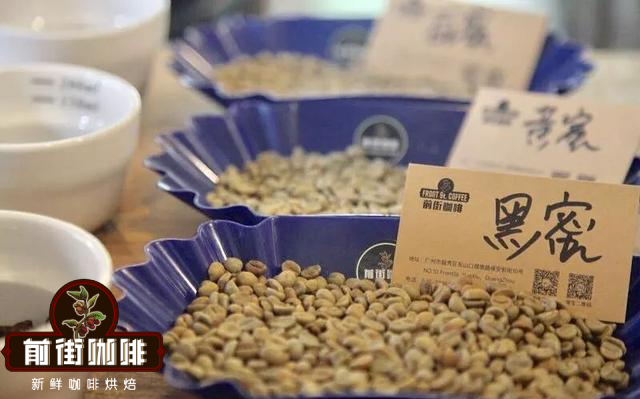
Depending on the proportion of mucilage retained, honey processing is often subdivided into three types: yellow honey, red honey and black honey. Yellow honey retains about 60% of the mucilage, has the shortest drying time, usually about one week, with more direct sunlight, moderate sweetness and a relatively refreshing flavor. Red honey retains about 75% of the mucilage, with drying extended to about 12 days, during which shade is often used to slow drying and promote fuller sugar conversion, making sweetness and fruitiness more prominent. Black honey is the type with the most complete mucilage retention, almost 100%, and the longest drying time, generally about two weeks, dried slowly under shade throughout to ensure full sugar penetration, so it has the highest sweetness and the most intense, complex flavor, often with dark fruit and fermented aromas.
In terms of sweetness ranking, it is generally black honey > red honey > yellow honey. Accordingly, these three types of honey-processed coffee each have their own flavor emphasis and suit consumers with different preferences. The overall acidity of honey-processed coffee usually falls between natural and washed, rounded and bright but not sharp, while sweetness is higher than traditional washed processing. The overall flavor is layered and often shows sweet aromas reminiscent of dried fruit and preserves, accompanied by moderate fermented wine notes, with a juicy, balanced and soft mouthfeel—neither too monotonous nor too heavy.
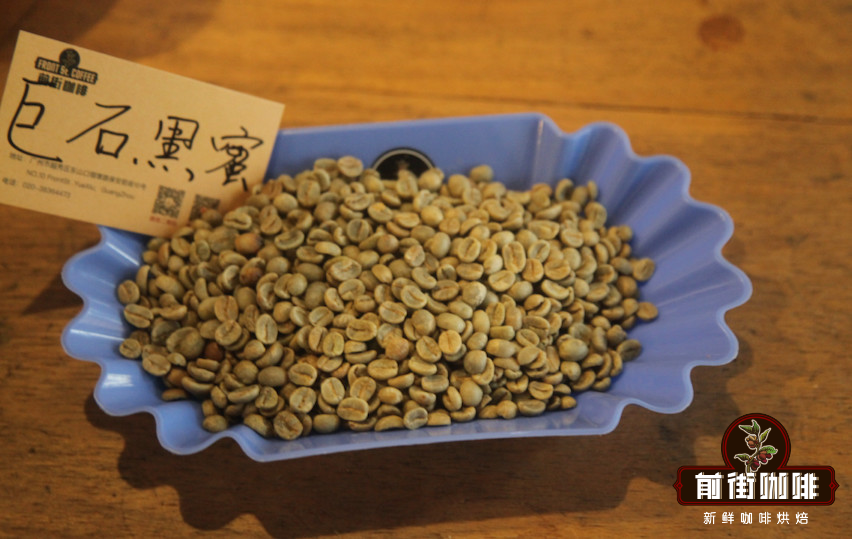
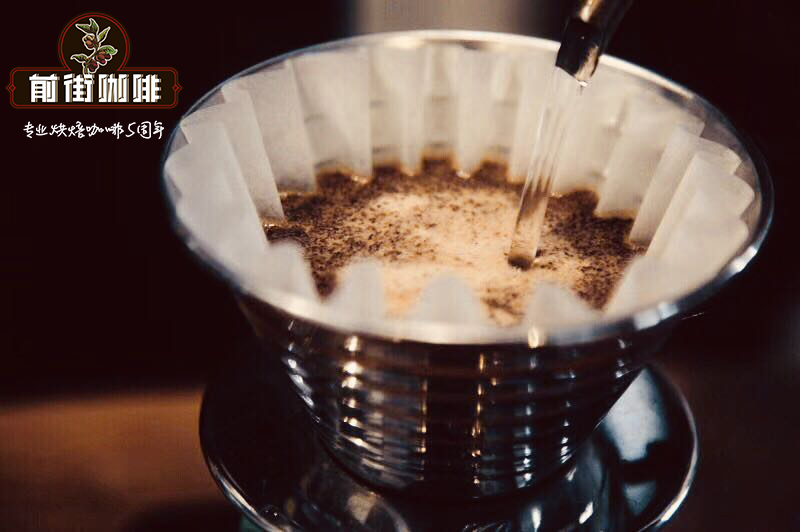
Take the black honey coffee from Hacienda La Piedra in Costa Rica's Brunca region as an example. This coffee uses the Caturra variety, grown at an altitude of about 1,500 meters. High altitude brings a longer growing cycle and richer accumulation of flavor compounds, and combined with black honey processing, this coffee has excellent sweetness and complexity. For brewing, a V60 dripper is recommended, with a water-to-coffee ratio of 1:15, water temperature controlled at 91°C, a dose of 15 grams, and a grind size reference of BG-6L (medium-fine). The brewing method can be divided into three stages: first, pour 30 grams of water for a 30-second bloom to awaken the coffee grounds; then in the second stage pour to 120 grams, using a small stream and slow circular pouring; when the water level drops to half of the coffee bed, perform the third stage, at which point the stream can be increased somewhat, pouring in circles to a total of 225 grams. The entire extraction takes about 2 minutes. This brewing method can fully bring out the sweetness, fruitiness and fermentation layers of black honey coffee, delivering a combined flavor experience of osmanthus, raisins and preserved fruit, with a subtle fermented wine note in the finish, a full body and a long aftertaste.