How to Choose Beans for Pour-Over: Colombian Single-Origin Chocolate Notes
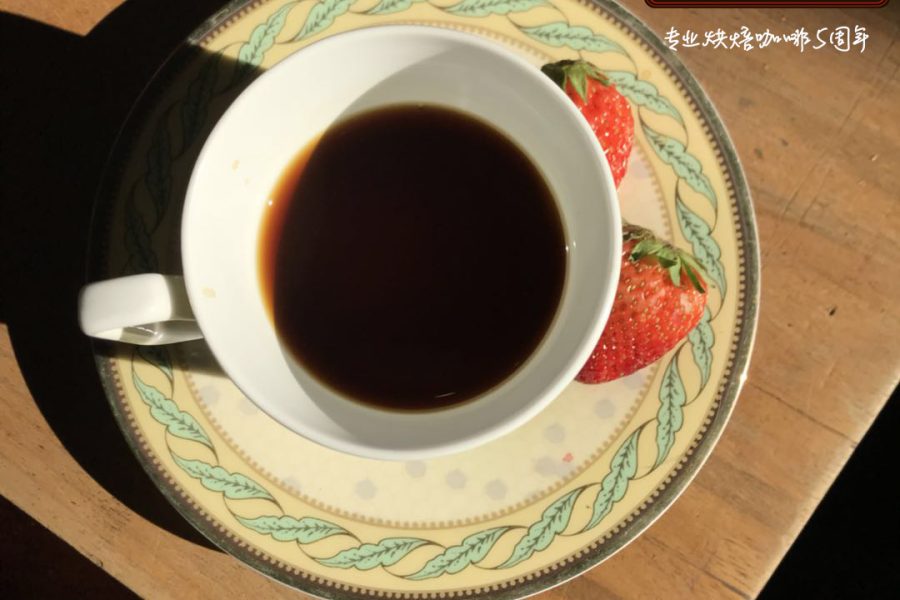
Introduction: The appeal of pour-over coffee lies in revealing a bean's distinctive terroir through precise brewing. This article focuses on Colombia, one of the world's top Arabica regions, and explains how its climate, altitude and processing create a balanced, full-bodied chocolate character. From growing regions to flavor profiles to pour-over parameter suggestions, it helps you find a classic bean suited to your personal taste.
For pour-over enthusiasts, choosing a single-origin bean with layered flavors is essential. Among the many regions, Colombia has become the first recommendation many baristas offer to beginners, thanks to its consistent quality and signature chocolate notes.
Colombia is the world's third-largest coffee producer, with its coffee belt spread across highlands at 1,200–2,000 meters. Annual rainfall here exceeds 200 cm, day-night temperature swings are pronounced, and the volcanic soil is rich in minerals; together these natural conditions shape the beans' bright acidity and full body. Notably, the country's law requires all exported coffee to be hand-sorted, ensuring every bean that reaches the market meets specialty-grade standards.
In terms of variety, Colombia grows 100% Arabica, a more oval-shaped variety that naturally has lower caffeine content (about 0.8–1.2%) and a greater ability to accumulate sugars. Compared with the common Robusta, Arabica not only has less bitterness but also shows more complex fruity and nutty notes. Especially in the three golden regions of Huila, Cauca and Nariño, microclimate differences mean the same variety can develop diverse flavors ranging from citrus to caramel to black tea.
Colombian beans perform especially well when brewed as pour-over. We recommend a medium-fine grind (70–75% passing through a Chinese standard No. 20 sieve), with water at 90–93°C. With a common V60 dripper, you can use the "three-pour method": first bloom with a small amount of hot water for 30 seconds to awaken the coffee grounds, then pour in a spiral from the center outward up to half the total water (about 80 g), wait for the bed to settle, then continue pouring to the target volume (15–18 g of coffee to 225–250 ml of water). This gradual extraction effectively highlights the bean's chocolate and caramel finish.
In the cup, a quality Colombian pour-over shows three layers of flavor change: a soft citrus acidity on entry, a full-bodied middle of roasted almond and dark chocolate, and a lingering brown-sugar sweetness in the finish. If the brew tastes sharply acidic or thin, it may be over-extraction caused by water that is too hot or a grind that is too fine; if the flavor is flat, check whether under-extraction comes from insufficient water temperature or too coarse a grind.
For newcomers to single-origin coffee, we suggest starting with beans from the Cauca region—altitudes there generally exceed 1,700 meters, and the coffees often have more vivid floral and fruity aromas and bright acidity; those who prefer a richer mouthfeel might choose natural-process beans from Huila, which are more caramelized and develop complex toffee-like flavors when cold brewed.
It is worth noting that bean freshness directly affects flavor performance. We recommend buying beans roasted within 14–21 days, and after opening, storing them in an airtight container in a cool, dark place. If conditions allow, you can keep a small portion of beans in the refrigerator's coldest section (sealed separately to avoid absorbing odors), but be sure to let them come back to room temperature before grinding.


