French Press Coffee Guide: Choosing Beans, Ratios and Technique
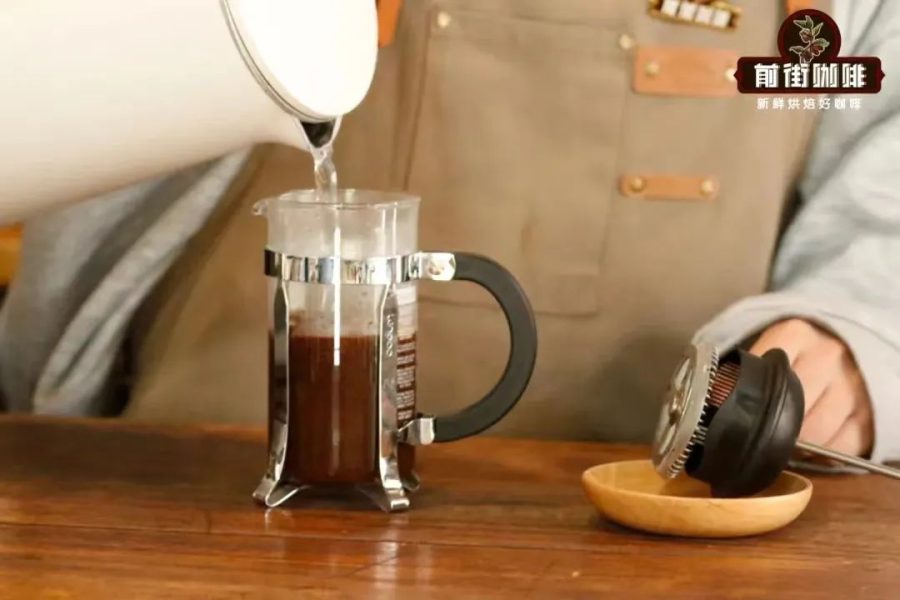
Introduction: The French press is the first home brewing tool many coffee novices try. It is not only simple to use but also consistently brings out coffee's full, rich body. Yet many people are still unsure how to choose the right coffee beans, master the coffee-to-water ratio and get the brewing time right. Starting from how the device works, this article explains in detail which coffee beans suit the French press, the ideal grind size, water temperature control, steeping time and recommended coffee-to-water ratios, helping you easily brew a balanced cup of French press coffee.
The French press, also known as the press pot, is a classic coffee brewing device that originated in France. It consists of a heat-resistant cylindrical glass or stainless steel container and a plunger with a metal filter mesh. Hot water steeps the coffee grounds for a period of time, then the mesh is pressed down to separate the grounds from the coffee liquid, completing extraction. This brewing method is similar to steeping tea, yet it can present a richer range of coffee flavors than you might expect, and it makes two or more servings at once, making it very suitable for everyday home use.
However, some users report that the coffee they brew with a French press tastes poor, often with excessive bitterness or a dull, heavy feel. In fact, this is closely tied to bean selection, grind size, water temperature, steeping time and coffee-to-water ratio. Master these key parameters and you can easily brew a rich, balanced cup with it too.

First, on grind size: for the French press, coarse coffee grounds are generally recommended, similar in texture to coarse sugar. Specifically, you can use coffee grounds with a 70% pass rate through the Chinese No. 20 standard sieve, meaning the particles are relatively coarse. This is because the French press's metal mesh has fairly large openings, usually between 80 and 300 microns; if the coffee is ground too fine, very fine particles easily pass through the mesh into the coffee liquid, making the cup cloudy and even producing noticeable sediment.
Of course, if you prefer more layered flavors, you can also try a slightly finer grind, but in that case be sure to shorten the steeping time to prevent over-extraction and the unwanted bitterness and impurity it brings.
Next is controlling extraction time, one of the key factors affecting coffee flavor. With all other parameters held constant, the longer the steep, the more intense the coffee tends to taste, but the more prone it is to over-extraction, bringing negative flavors such as bitterness, astringency and woodiness. With a coarse grind, medium-light roasts are best steeped for about 4 minutes, while medium-dark roasts are best shortened to 3 minutes 30 seconds; this fully releases the coffee's positive flavor compounds while avoiding the unpleasant tastes that come from steeping too long.
Water temperature is equally important. Because the French press usually involves pouring all the water in at once for extraction, the temperature gradually drops over time, so it is recommended to use water slightly hotter than for pour-over. For medium-light roasted beans with brighter acidity, keep the water at 92–94°C; for medium-dark roasted beans with more pronounced bitterness, use water at 89–90°C. When temperatures are lower in autumn and winter, you can preheat the French press with hot water in advance to help reduce heat loss.
The coffee-to-water ratio is also an important parameter affecting coffee strength and flavor clarity. A 1:16 coffee-to-water ratio is generally recommended, for example 15 grams of coffee grounds with 240 milliliters of water; this brews coffee at roughly 1.1%–1.2% strength, a balanced range most people enjoy. If you prefer a stronger cup, you can also try a 1:15 ratio, adjusting flexibly to your personal taste.
So which coffee beans are better suited to the French press? In theory, almost any coffee bean suitable for pour-over can be used in a French press, but because its extraction method is static steeping, it better highlights coffee's body and overall balance, so medium-dark roasts and darker often perform better. Such beans usually have richer oils, giving the coffee a fuller mouthfeel and a balanced flavor structure.
Users who dislike acidity and prefer a rich mouthfeel can choose medium-dark roasted beans with dark chocolate, nut and caramel flavors; these flavors come across as more concentrated and rounded in a French press. If you are willing to try coffee with some fruity acidity, light-to-medium roasts with strawberry, citrus or tropical fruit flavors work just as well; as long as the parameters are adjusted well, they can also deliver a surprisingly pleasant cup.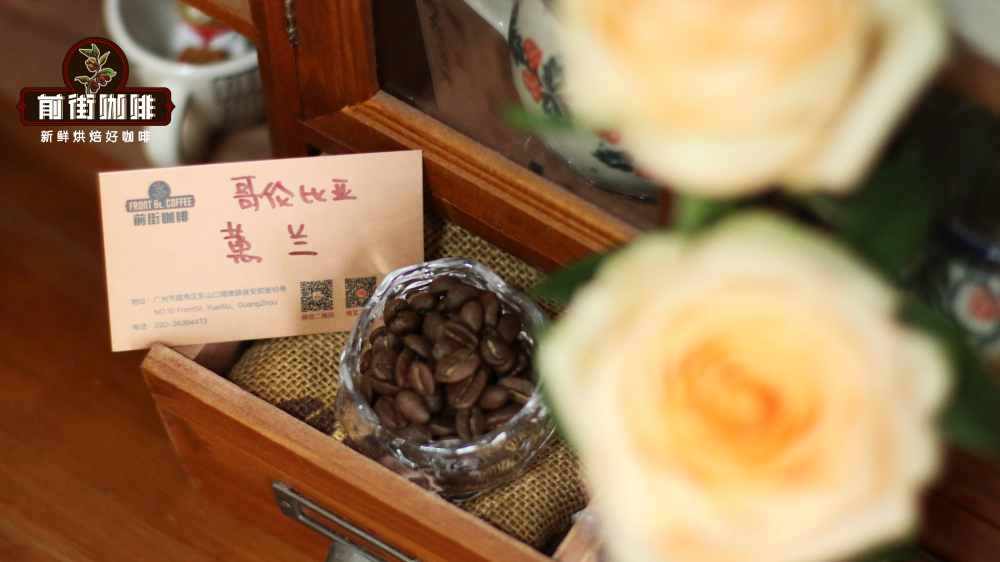

Finally, there is one step that is easily overlooked but extremely important: cleaning. The French press's metal mesh easily absorbs coffee oils, and leaving it uncleaned over time causes the oils to oxidize, affecting the flavor of subsequent brews and even producing off-flavors. Therefore, after each use, be sure to fully disassemble the mesh, plunger and container, wash them clean with a mild detergent, and make sure all parts are completely dry before storing. Good cleaning habits not only extend the device's lifespan but also keep every cup tasting consistent.


