Pour-over vs. Vietnamese Phin: Coffee Grind Size and Home Brewing Guide
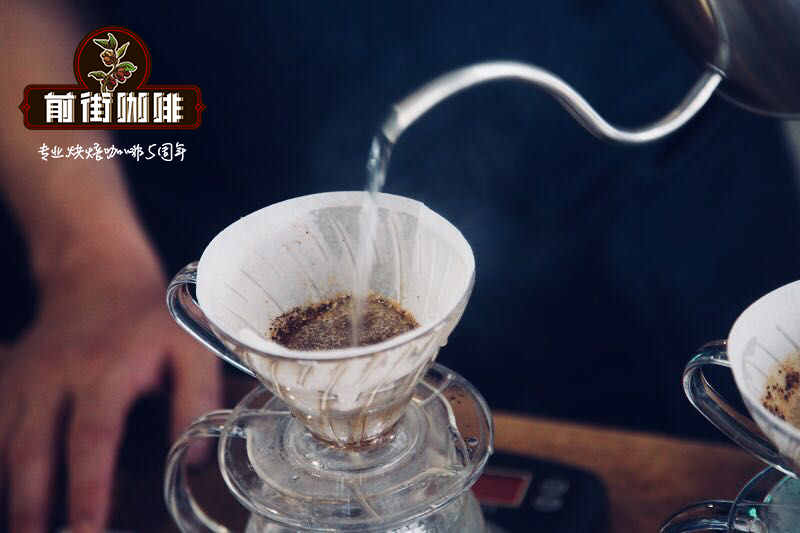
Introduction: Wondering whether pour-over coffee or a Vietnamese phin is better suited to home drip brewing? This article takes a close look at the phin's structural features, its coffee grind size requirements, and the detailed brewing process, and compares it with pour-over coffee to highlight the core differences. From equipment choice to flavor presentation, it helps you master the key techniques of these two classic drip methods and find a brewing approach that suits your taste.
The Vietnamese phin is essentially an improved version of the French drip pot. After being introduced to Vietnam, it was optimized to suit local drinking habits and gradually evolved into what is now widely known as the Vietnamese drip pot. This pot type is compact and lightweight, usually made of stainless steel, and is very suitable for home or outdoor use.
Compared with traditional pour-over coffee, the phin's biggest structural feature is its flat-bottom design, paired with a metal press plate placed above the coffee bed. When brewing, first place the drip cup on top of the receiving cup, pour coffee grounds about as coarse as granulated sugar into the pot, then use the press plate to press them moderately flat and firm—be careful to use moderate force, as pressing too hard will hinder water penetration.
The specific process has three steps: first, slowly pour hot water in a circular motion, just enough to wet the surface of the coffee grounds, then cover with the lid and let it sit for about 30 seconds to complete the bloom; next, pour in the remaining hot water, close the lid tightly again, and wait for extraction. The whole process usually lasts about 2 minutes, and the coffee liquid drips through the filter holes at the bottom of the pot into the receiving cup below.
The core difference between the Vietnamese phin and an ordinary drip brewer lies in its flat-bottom construction and metal press plate design. Because traditional Vietnamese coffee favors a rich taste, deeply roasted beans are often chosen, and these beans tend to have pronounced acidic and bitter characteristics. Therefore, locals are accustomed to adding condensed milk to the coffee, which both neutralizes the bitterness and creates a uniquely sweet, mellow flavor.
It is worth noting that although both belong to the category of drip coffee, the Vietnamese phin and pour-over coffee differ significantly in bean selection. Pour-over focuses more on showcasing the flavor layers of single-origin beans, while the Vietnamese phin usually uses blended roasted beans, pursuing an overall balanced and intense taste. If you try it with high-quality single-origin beans instead, you may also discover a different flavor experience from conventional pour-over.
At present, Vietnamese households generally have this pot, which has a low barrier to operation and requires no complicated equipment. Pre-ground coffee powder is also sold on the market; although its flavor expression differs from freshly ground coffee, its distinctive mild sweetness, similar to the mellow richness of Chinese herbal medicine, has become an important symbol of local coffee culture. For beginners new to drip coffee, the Vietnamese phin is a practical entry-level tool for understanding the principles of coffee extraction.


