Indonesian Specialty Coffee Guide: Choosing the Best Mandheling Beans
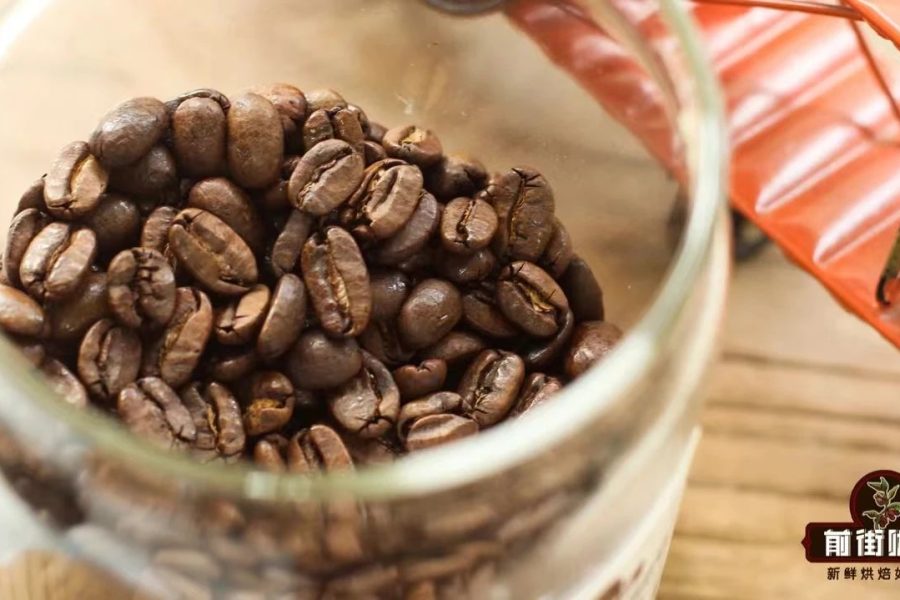
Introduction: Indonesia is a major coffee-producing region globally, known for its unique processing methods and distinct regional flavors. This article provides an in-depth analysis of the terroir characteristics of Indonesia's main coffee-producing regions, reveals the origin of the name Mandheling coffee and its grading standards, and focuses on the impact of the wet-hulling method on flavor. By comparing the taste differences of bean varieties from different regions, it helps coffee enthusiasts find high-quality beans that suit them, while also providing professional brewing parameter recommendations.
As one of the world's major coffee-producing countries, Indonesia's unique island geography has given rise to coffee varieties with vastly different styles. From Sumatra's full-bodied richness to Java's clean balance, each region displays distinct regional characteristics. Understanding the terroir conditions and processing techniques of these regions is the key first step in selecting high-quality Indonesian coffee.
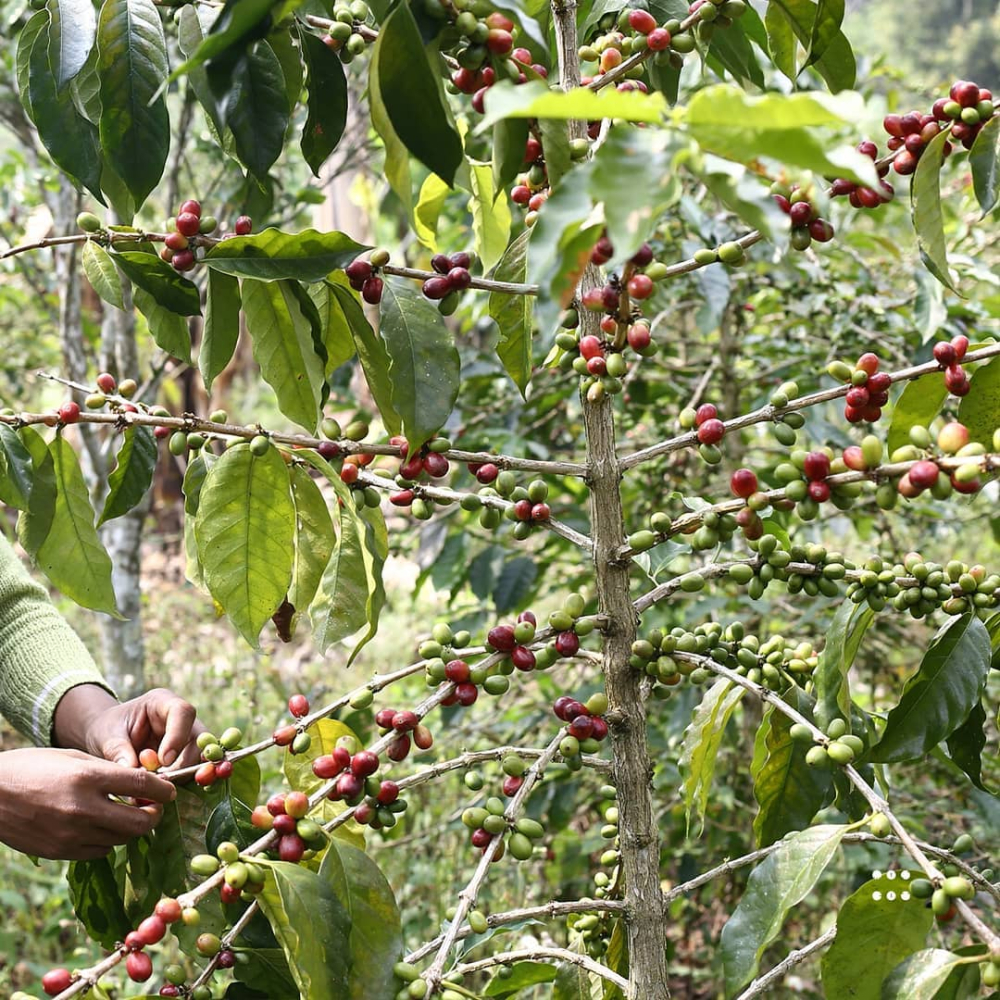
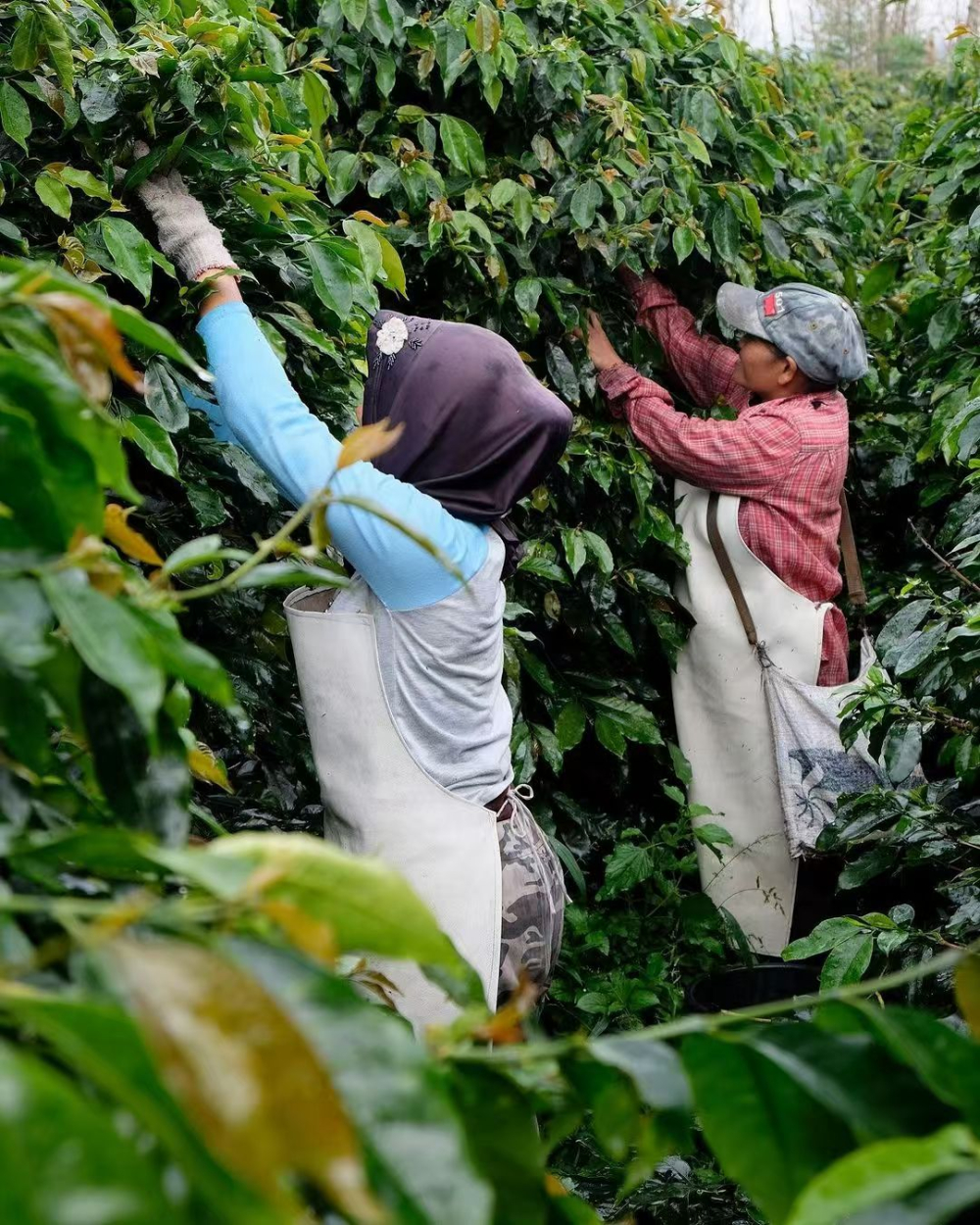
Indonesia's coffee cultivation history can be traced back to the 17th century. In 1699, the Dutch East India Company introduced Arabica coffee seedlings, which were first successfully trialed on the island of Java. The leaf rust disease disaster of 1876 caused mass death of Typica varieties, prompting the spread of the more disease-resistant Robusta in the low-altitude areas of East Java. Today, more than 90% of Indonesia's coffee is still grown by smallholders, with an average cultivation area of less than one hectare; this family-farming model has preserved rich biodiversity.
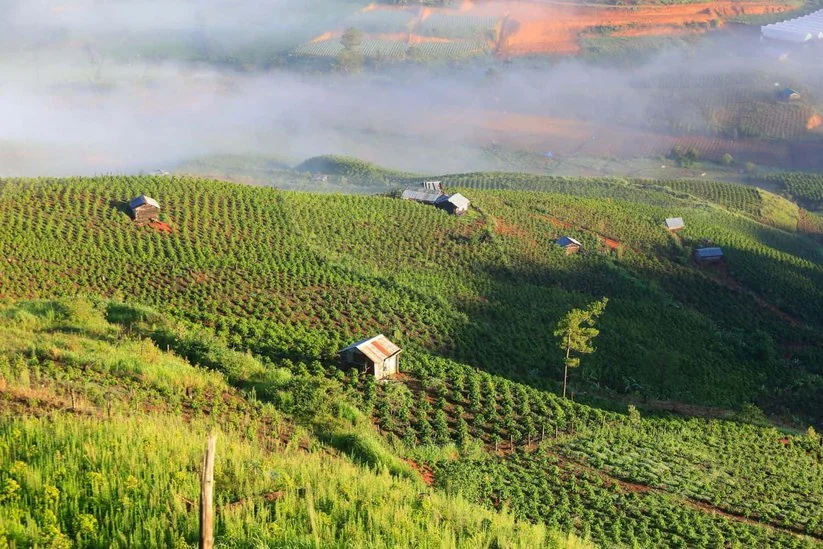
The Sumatra region can be considered the representative area of Indonesian coffee, with the rainy season from November to March providing ideal conditions for coffee growth. The region's volcanic soil is rich in minerals, and combined with the unique wet-hulling method, it creates the signature low acidity and complex flavors of Mandheling coffee. It is worth noting that the so-called "Mandheling" is not a place name, but rather originates from a misnomer by Japanese soldiers during World War II regarding the local ethnic group that grew the coffee; this beautiful misunderstanding made Sumatra coffee famous worldwide.
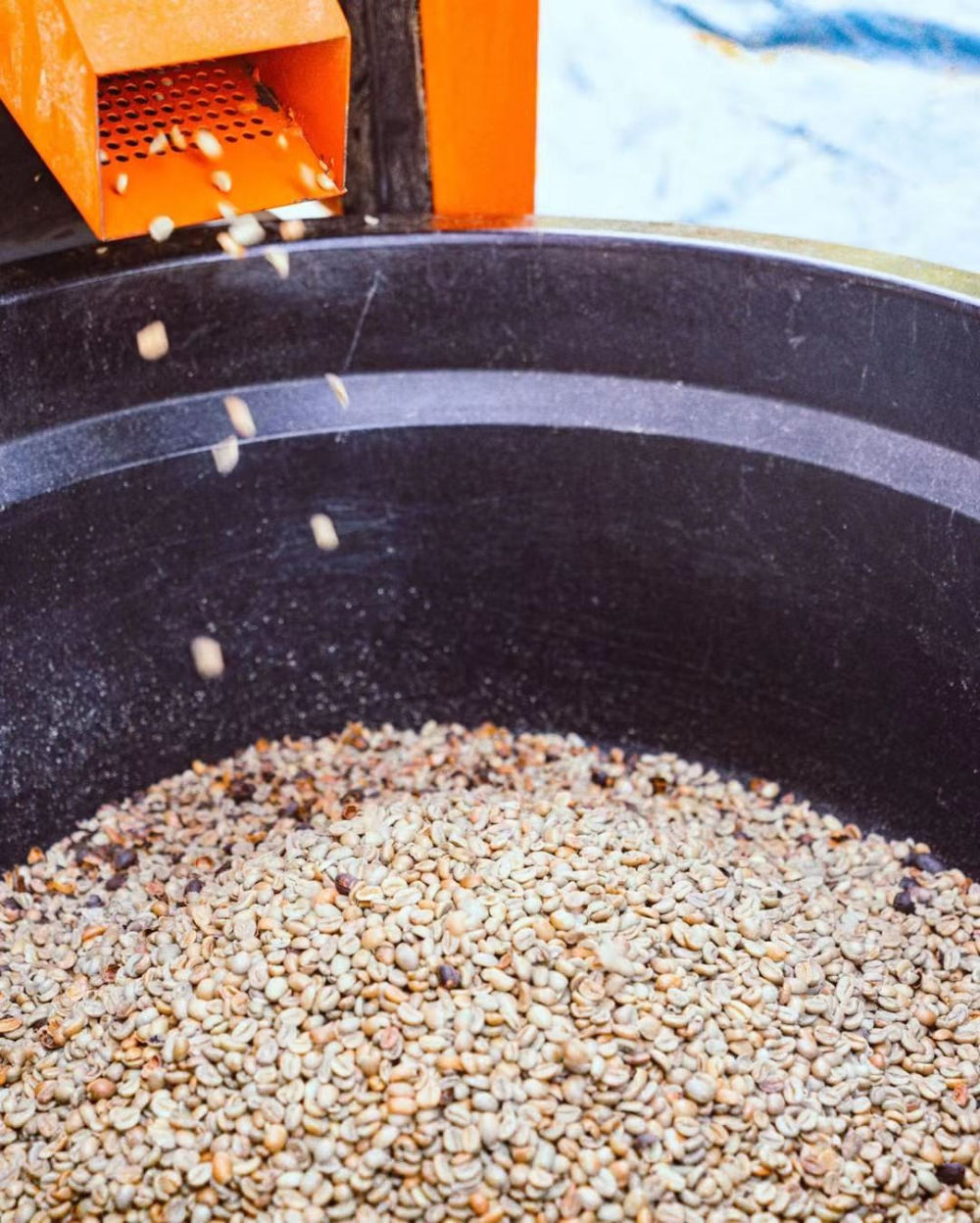
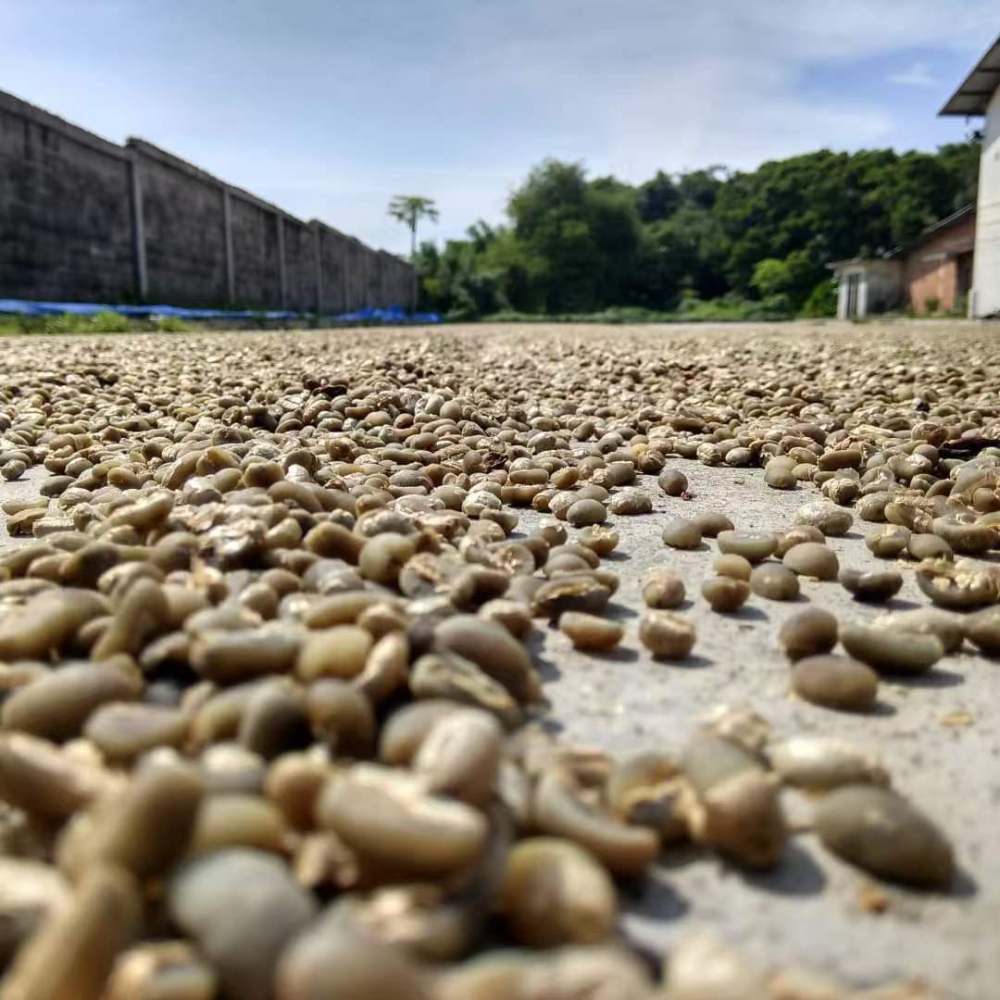
The wet-hulling method is the soul craft of Sumatra coffee. Unlike traditional washed or natural methods, this method removes the mucilage from the coffee fruit, dries the beans with parchment for only 2-3 days, and then hulls them, rapidly reducing the green bean moisture content to 12-13%. This accelerated drying process produces special flavor compounds, including pronounced earthy notes, dark chocolate tones, and a unique woody aroma.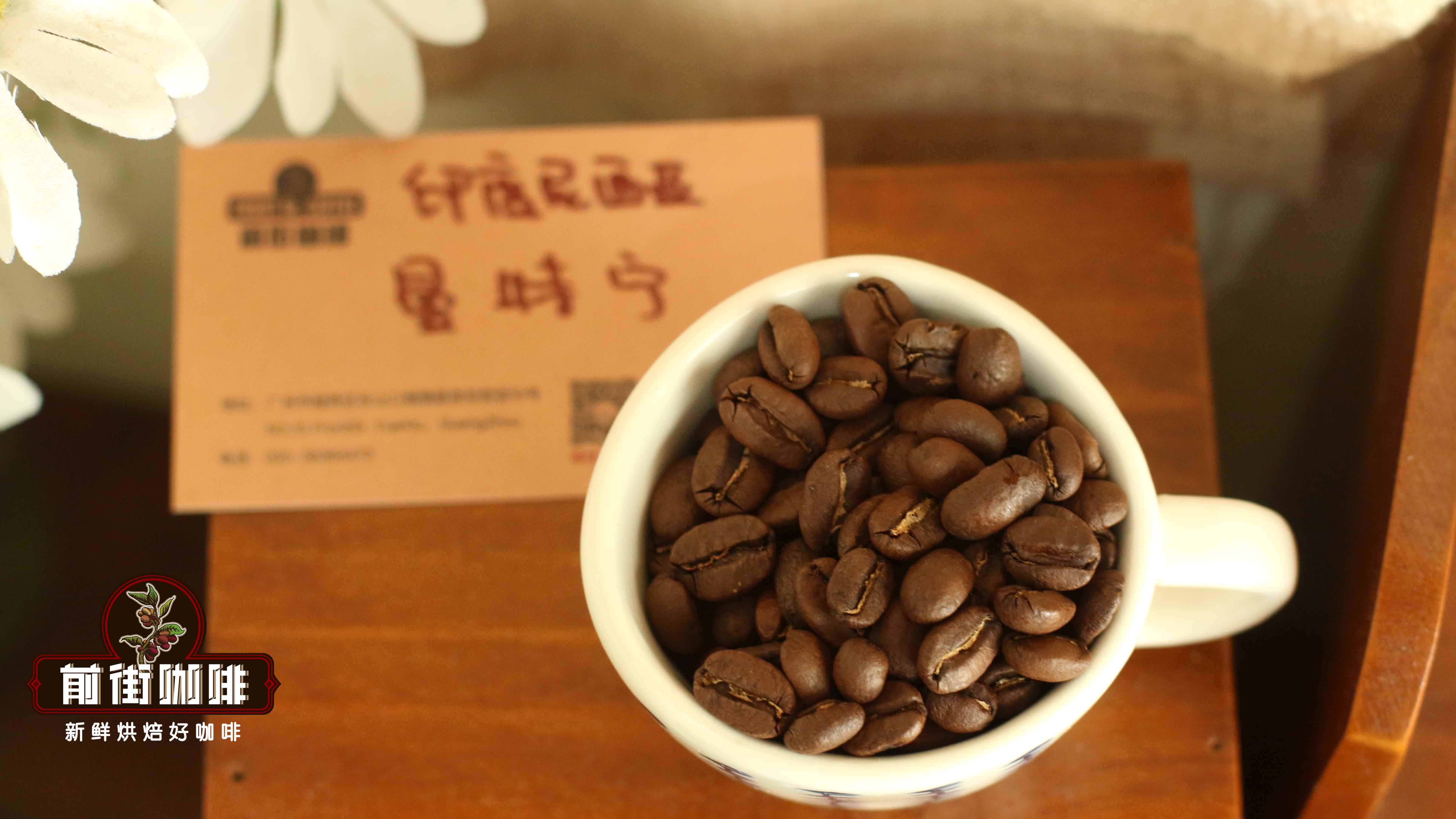
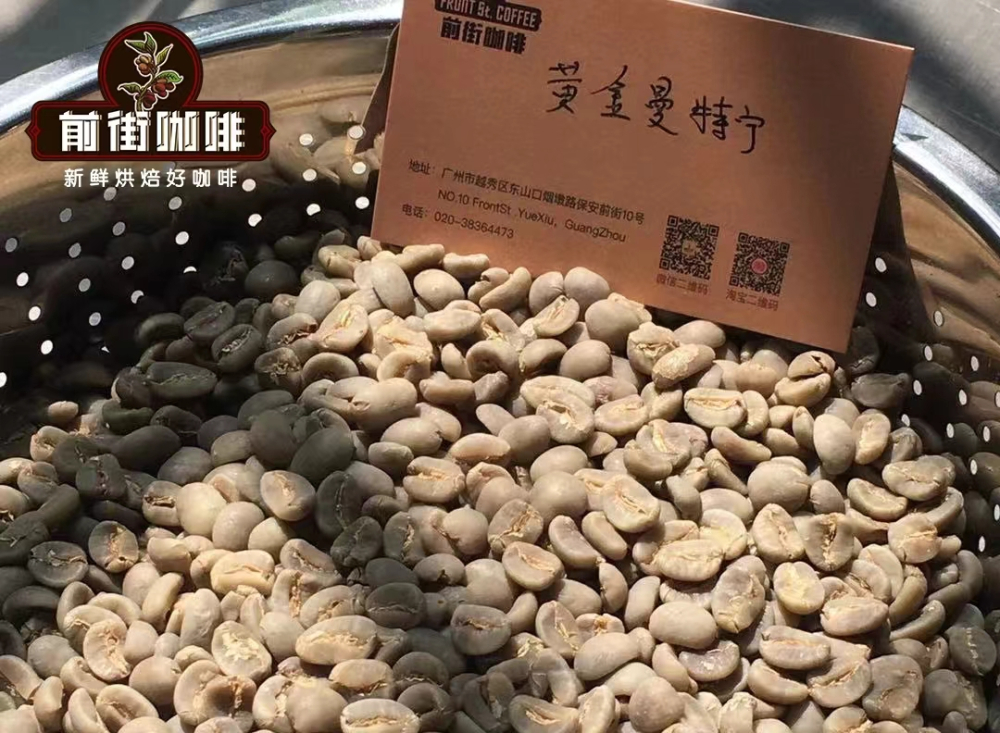
Among Sumatra's many producing regions, the Lintong area around Lake Toba and the Gayo Mountain in Aceh Province are the most famous. The former often produces coffee with warm notes of nuts and toasted bread, while the latter is known for brighter spice notes and a dark chocolate finish. Observing the beans reveals that wet-hulled coffee beans often show a distinctive blue-green sheen on the surface, a characteristic of silver skin residue caused by rapid drying.
Java, as Indonesia's oldest coffee-producing region, has a cultivation history dating back to the 18th-century Dutch East India Company era. Five existing state-owned plantations (Blawan, Tugosari, etc.) use strict washed processing to produce coffee with molasses sweetness and clove aroma. In sharp contrast to Sumatra's heavy style, Java coffee has brighter acidity, moderate body, and pronounced fermented fruit flavors.
Coffee from the Toraja highlands of Sulawesi (formerly Celebes) displays a unique balance. Coffee cultivation in this region is mostly concentrated at altitudes of 1,200-1,800 meters, with smallholders using traditional shade-growing methods. Cupping often reveals pronounced caramel sweetness and citrus acidity, with herbal flavors more restrained than Sumatra's. Of particular note, some estates in this region have begun experimenting with honey processing, bringing innovative changes to traditional flavors.
The volcanic soil of Flores Island provides natural advantages for coffee cultivation. The growing areas at altitudes of 1,200-1,800 meters produce coffee with bright acidity, commonly featuring jasmine floral notes and a black tea finish. Coffee processing in this region mostly uses traditional natural methods, but in recent years some producers have begun introducing anaerobic fermentation techniques, significantly enhancing flavor complexity. The special soil structure formed by volcanic ash gives the coffee here a unique mineral salinity.
The Kintamani volcanic region of Bali is the core area of the island's specialty coffee. Coffee trees grown on terraces often coexist with spice plants, and this traditional cultivation method gives the coffee unique vanilla and cardamom notes. The local semi-washed processing method (a modified version of Giling Basah) creates a balanced sweet-acid structure, with honey-like sweetness and soft citrus tones on the palate.
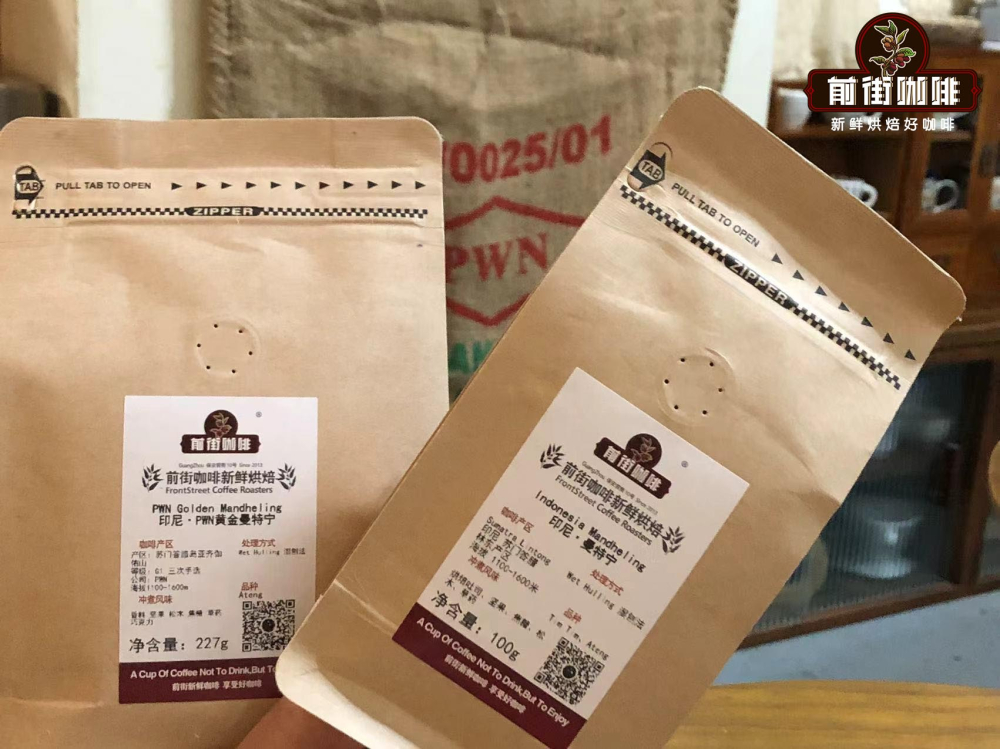
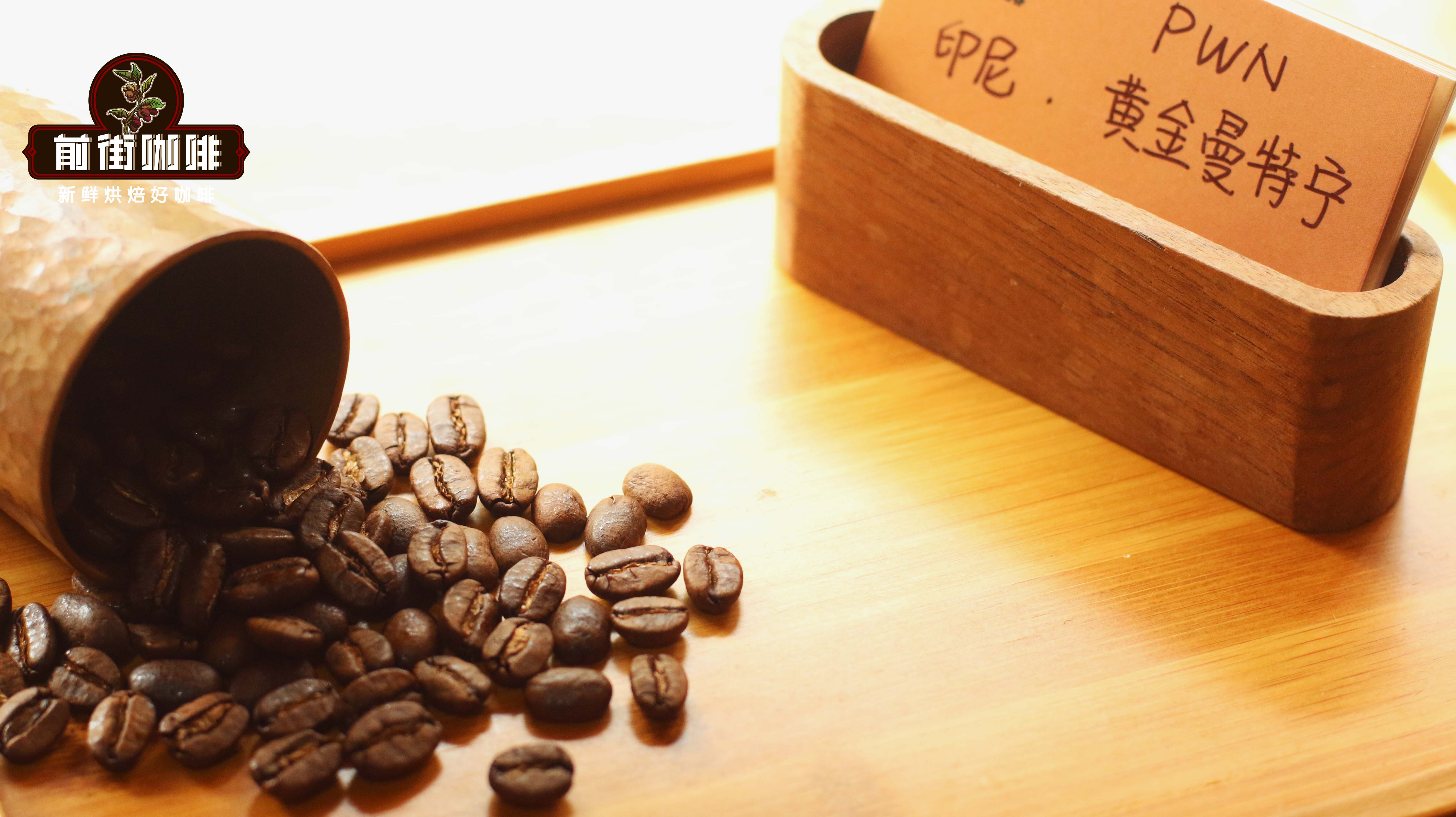
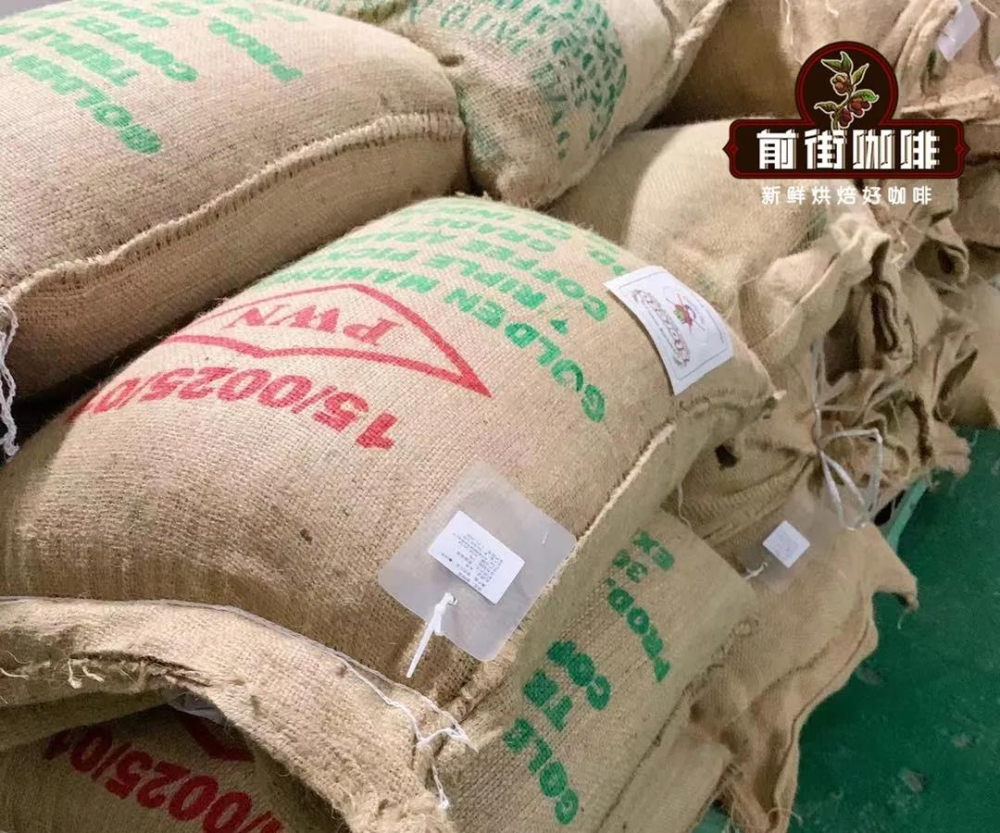
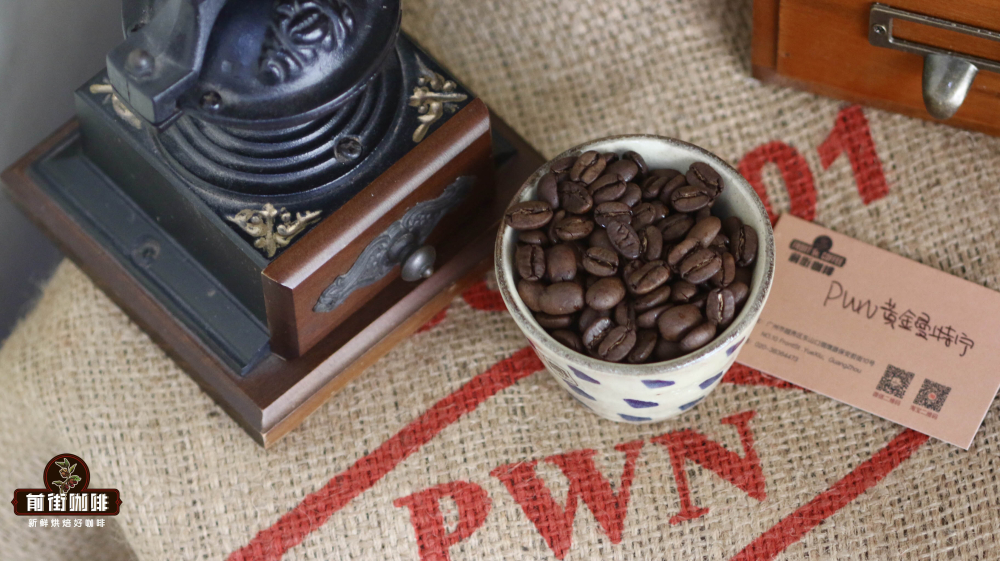
Regarding the grading of Mandheling coffee, in the internationally used G1-G3 standard, G1 represents the highest quality. Professional roasters typically perform multiple manual sortings of green beans, and high-quality lots can have defect rates controlled below 3%. It is worth noting that the "Golden Mandheling" trademark registered by some brands specifically refers to top-grade beans that have undergone three hand-sortings with moisture content precisely controlled at 12.5%; such products often have richer floral and fruity notes and a longer finish.
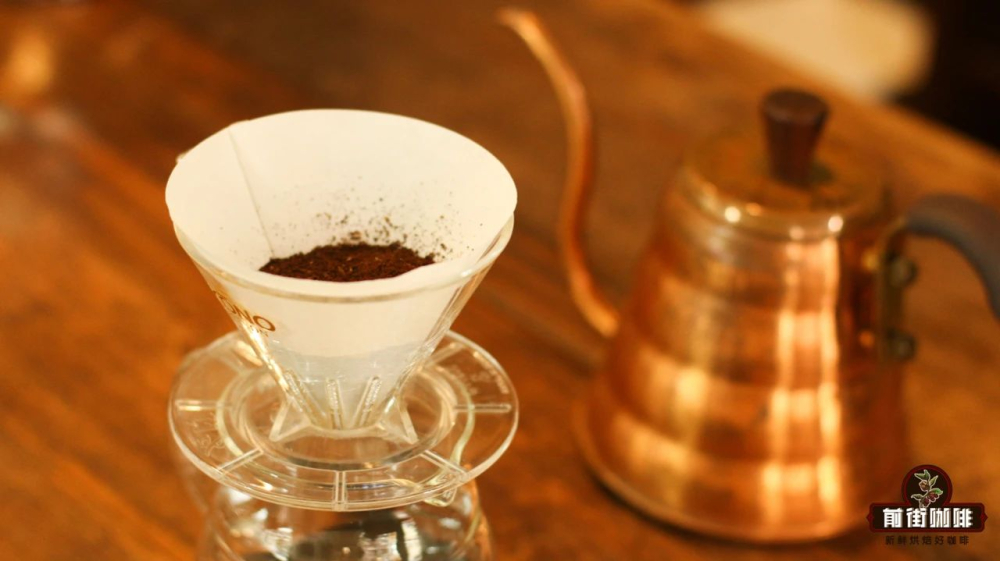
For brewing wet-hulled coffee, a medium-coarse grind (70% passing through a Chinese standard No. 20 sieve) with a water temperature of 88-89°C is recommended. Using 15 grams of coffee as an example, when using a Kono dripper, it is recommended to bloom with 30 grams of water for 30 seconds, then use a staged pouring method: first pour to 125 grams, then pour to a total of 225 grams. These parameters effectively highlight the full-bodied characteristics of wet-hulled coffee while avoiding bitterness caused by over-extraction.
When purchasing Indonesian coffee, it is recommended to pay attention to the following points: first, observe the origin labeling and processing method description on the packaging to confirm whether the specific region is indicated (such as Lake Toba, Gayo Mountain, etc.); second, check the green bean grade information, giving priority to products labeled G1 or with special trademarks; finally, choose the processing method according to personal taste preferences—wet-hulling suits drinkers who prefer intense flavors, while washed or natural Indonesian coffees display brighter acidity and floral-fruity aromas.
For coffee beginners, it is recommended to start with a basic Sumatra Mandheling and gradually explore the flavor differences of various regions. Professional baristas can pay attention to micro-lot products from each region; these limited-edition beans often display more unique terroir characteristics. Regardless of which type you choose, attention to storage conditions (recommended: use one-way degassing valve sealed bags, store away from light at 10-20°C) is crucial for maintaining coffee freshness.