Coffee Roast Levels Explained: Flavor Differences from Light to Dark and Brewing Tips
Introduction: Coffee roast level directly shapes flavor, from bright fruit acidity to rich caramel aroma; different roast levels bring completely different drinking experiences. This article details the temperature ranges, chemical reactions and flavor characteristics of 8 major roasting stages, and provides practical brewing parameters for medium-dark roasted coffee, helping you choose suitable coffee beans according to taste preference.
The flavor of coffee is layered like perfume; its appeal comes not only from origin and variety but is also closely tied to the roasting process. Professionally roasted coffee beans release more than 800 aromatic substances. These volatile compounds produced through high-temperature reactions create coffee's ever-changing aroma profile—from bright citrus notes to mellow chocolate aromas.
The essence of coffee aroma is the products of pyrolysis reactions of macromolecular compounds within the bean during roasting. The two reactions with the greatest influence on flavor are the Maillard reaction and caramelization. The former starts in the 140-165°C range; the complex reaction of amino acids and reducing sugars produces melanoidin pigments and hundreds of aromatic substances. The latter, above 170°C, promotes sucrose decomposition, forming the base substances of caramel flavor.
Professional roast levels are usually divided into 8 standard grades, achieving targeted flavor adjustment through precise control of the temperature curve inside the roaster (within ±2°C error range). The key milestones are first crack (bean surface cracking sound at about 195-205°C) and second crack (denser cracking at about 220-230°C). These two physical changes mark the intense release of moisture and carbon dioxide inside the bean.
Extremely light roast (dropped at 188-192°C) retains the most original characteristics of green beans, but the flavor is not yet fully developed; it is often used for professional cupping. Light roast (193-202°C) balances acidity and aroma; development time in the 195-200°C range determines the brightness of fruit acidity, suitable for high-altitude beans such as Ethiopian varieties to show floral characteristics.
Medium-light roast (203-212°C) is the mainstream choice for specialty coffee. The mid-stage of the Maillard reaction around 205°C maximizes retention of sugars, forming honey sweetness and nutty notes. At this point bean density drops by about 15%, and cell wall structure begins to optimize extraction channels.
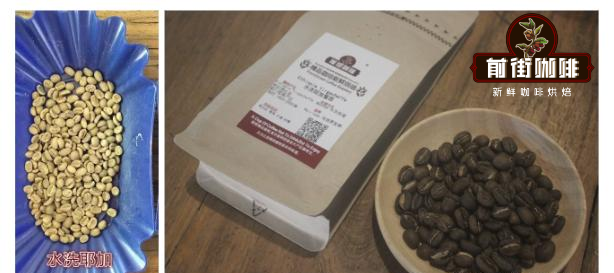
Medium roast (212-220°C) brings acidity and bitterness to a classic balance; at 215°C oils begin to seep into the gaps in the cell walls. Coffee made in this range has a full body; traditional origin beans such as Blue Mountain show their best fullness at this stage.
In the early second-crack stage of medium-dark roast (220-225°C), slight oil sheen appears on the bean surface. A temperature of about 222°C makes quinic acid conversion more complete, reducing pungency while enhancing dark chocolate flavor layers.
Dark roast (225-230°C) produces large amounts of lignin derivatives; continuous heating above 228°C carries the risk of carbonizing the fiber structure. Professional advice is to keep development time at this stage under 60 seconds to avoid excessive burnt bitterness.
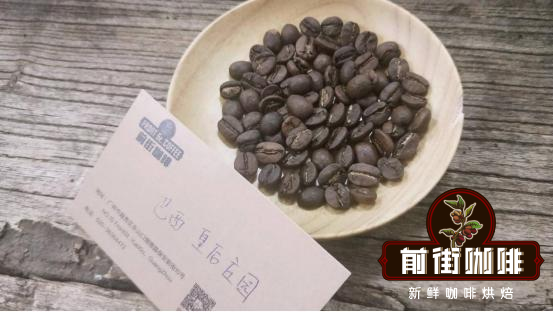
French roast (230-235°C) is often used for espresso blends; at 232°C precursors of benzopyrene begin to form, requiring strict control of oxygen content in the roaster. Italian roast (235-240°C) is close to the bean's ignition point and is not recommended for home attempts outside commercial use.
Take medium-dark roasted Yellow Bourbon as an example: beans processed by natural drying at 1,200 m elevation, using medium-coarse grind (68% passing rate on China standard No. 20 sieve) at 88°C water temperature, with a 1:15 coffee-to-water ratio and a three-stage pouring method: first stage 30 g water to bloom for 30 seconds to activate degassing, second stage 120 g water to cover the coffee bed, final stage 225 g water flow to maintain extraction balance. With these parameters, a 2:02 extraction time fully brings out the flavor combination of creamy nuttiness and caramel finish.