The Complete Guide to Making Cold Brew Coffee at Home: Ratio, Grind Size, and Flavorful Bean Recommendations

Introduction: Cold brew coffee is a summer essential, loved for its silky texture and long-lasting energizing effect. This article explains the entire process from basic preparation to advanced flavor blending, covering scientifically balanced water-to-coffee ratios, optimal grind size selection, coffee bean types for different scenarios, and practical tips for extending flavor preservation, helping you easily recreate a professional-level cold drip experience at home.
As the summer heat intensifies, a glass of ice-cold cold brew coffee can both wake up a groggy mind and bring refreshing enjoyment. This coffee-making process, which extracts by steeping in cold water for a long time, has become a favorite summer refreshment for coffee enthusiasts in recent years. Unlike high-temperature brewing, the cold brew process avoids the large release of tannic acid, and the resulting coffee liquid is as smooth as silk, with natural fruit acidity and floral-fruity sweetness fully released and bitterness significantly reduced, though the caffeine content may actually be higher.
Traditional cold brew requires mixing coarsely ground coffee with cold water at a ratio of 1:10 to 1:15 (20 grams of coffee to 200-300 milliliters of water) and leaving it in a 4°C refrigerated environment for 12-48 hours. Beginners are advised to start with the basic version: prepare a sealed container, add coffee at a baseline ratio of 100-120 grams of coffee per liter of water, pour in room-temperature water, and shake immediately by hand to ensure the coffee grounds are evenly saturated. After placing it in the refrigerator, gently swirl the container every 4-6 hours to promote solvent penetration. The basic version usually reaches ideal concentration after 10-12 hours of steeping; if you prefer a lighter flavor, you can extend it to 15 hours.
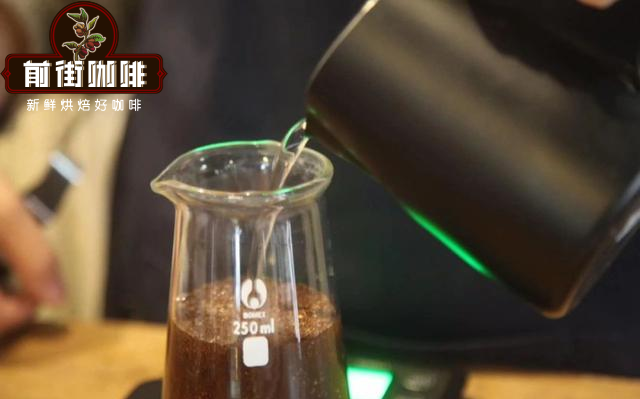
The choice of grind size directly affects extraction efficiency—it is recommended to use a coarse granulated sugar texture slightly coarser than pour-over (similar to French press grind level). Too fine will lead to over-extraction and off-flavors, while too coarse will result in insufficient extraction of flavor compounds. Water quality is equally key: filtered or mineral water is better than tap water, with a recommended TDS range of 50-150 ppm; avoid high-mineral water that can upset flavor balance.
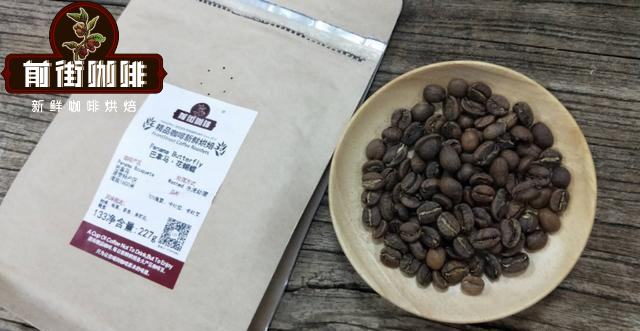
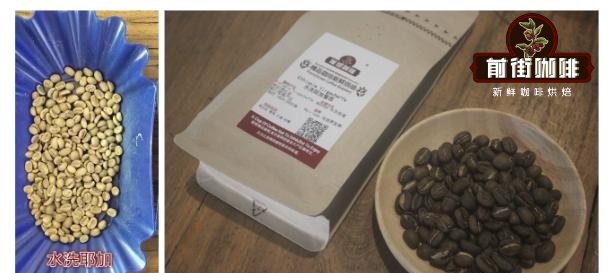
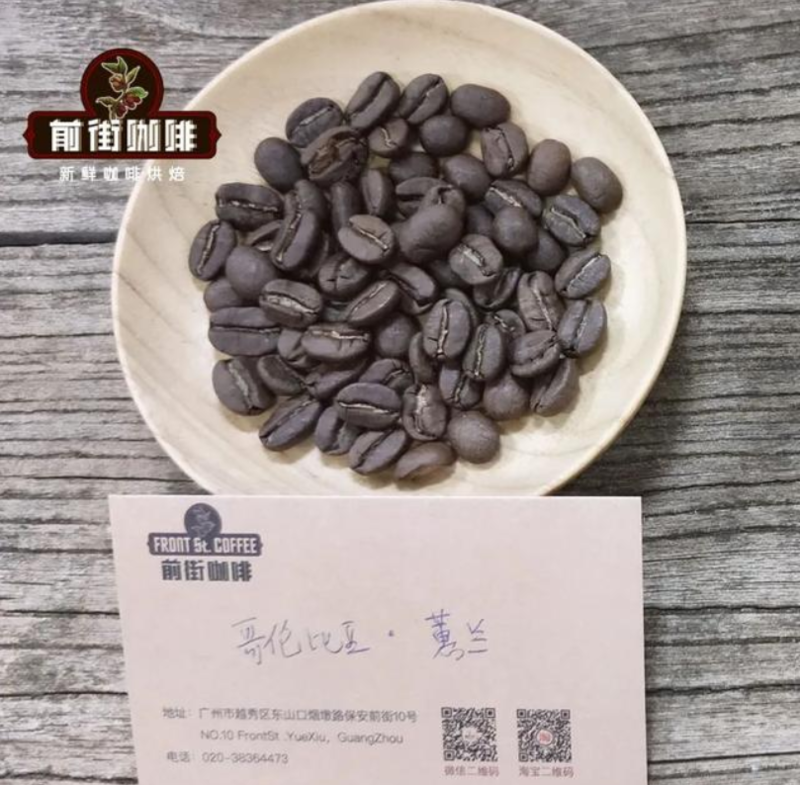
Advanced users can try differentiated recipes: washed Yirgacheffe (Ethiopian heirloom variety, washed process) presents bright berry acidity and a cooling sensation after cold brewing, suitable for those seeking a refreshing style; Colombian Huila (1,500-1,800 meters altitude, Caturra variety) shows a full-bodied base of dark chocolate and nuts with a subtle fruity acidity in the finish; Honduran sherry barrel-fermented beans (Caturra/Catuai/Pacas blend, whisky sherry barrel process) impart a rich whisky-vanilla-cream aroma, suitable for making specialty bases.
A reference recipe commonly used by professional cafes: 15 grams of specialty-grade coffee beans (medium-light roast) with 225 milliliters of cold water (1:15 ratio), using BG#5H coarse grind (approximately 800-1,000 microns particle size), left upright in the refrigerator for 8-12 hours. For the filtration stage, it is recommended to use a cotton cloth filter bag or V60 filter paper for double filtration to remove fine particles and improve the purity of the mouthfeel. The finished product can be sealed and refrigerated for up to two weeks; it is recommended to use a dark glass bottle to shield from light and oxidation.
The secret to extending flavor preservation lies in isolating air—leave 1/5 of the space when portioning to avoid expansion, and adding a small amount of food-grade nitrogen is even better. If using drip bags for an improved method, you can put 2-3 bags into 1.5 liters of cold water at once, shake, and refrigerate for 18 hours to obtain a concentrate; dilute with water at a 1:3 ratio to get standard cold brew. Avoid direct sunlight and frequent opening of the lid, and use a dry spoon each time to prevent contamination.