Why Stars Love Iced Americano: Recipe, Brewing Tips and Bean Guide
Introduction: Iced americano has become the everyday drink of choice for many celebrities thanks to its refreshing, alerting effect, low calorie content and easy preparation. This article takes a deep look at the core appeal of iced americano, details its origins and standard preparation process, focuses on strategies for choosing coffee beans suitable for making iced americano, and provides precise brewing parameter references. Whether you are a coffee novice or an enthusiast chasing flavor, you can master practical tips for making a quality iced americano.
Have you noticed that many celebrities are often seen holding a cup of iced americano at public events? This seemingly simple black coffee drink is favored for its efficient refreshing effect, its light, additive-free nature and its quick preparation process. Iced americano not only helps relieve fatigue but can also help with weight control—no wonder it has become the daily standard for busy people.
As a globally popular representative of black coffee, americano's history can be traced through the evolution of nearly three generations of coffee waves. There are two mainstream accounts of its origin: one is that American consumers preferred the flavor of this high-concentration black coffee; the other is that during World War II, U.S. soldiers, to suit local tastes, diluted high-concentration espresso with water. According to authoritative dictionary definitions, americano specifically refers to a drink made by adding hot water to espresso, an explanation that also confirms its Italian lineage.
Espresso is the core base for making americano. This high-pressure extracted coffee liquid was born in Italy during the Industrial Revolution at the end of the 19th century, originally to meet workers' need for quick access to high-concentration coffee. The birth of the first steam-powered coffee machine patent in 1884 gave rise to a strong black coffee called "espresso." Modern espresso, through precise control of 9 bar pressure, 90-96°C water temperature and 25-30 seconds extraction time, combined with extremely fine ground coffee, creates a rich, layered, full-bodied taste.
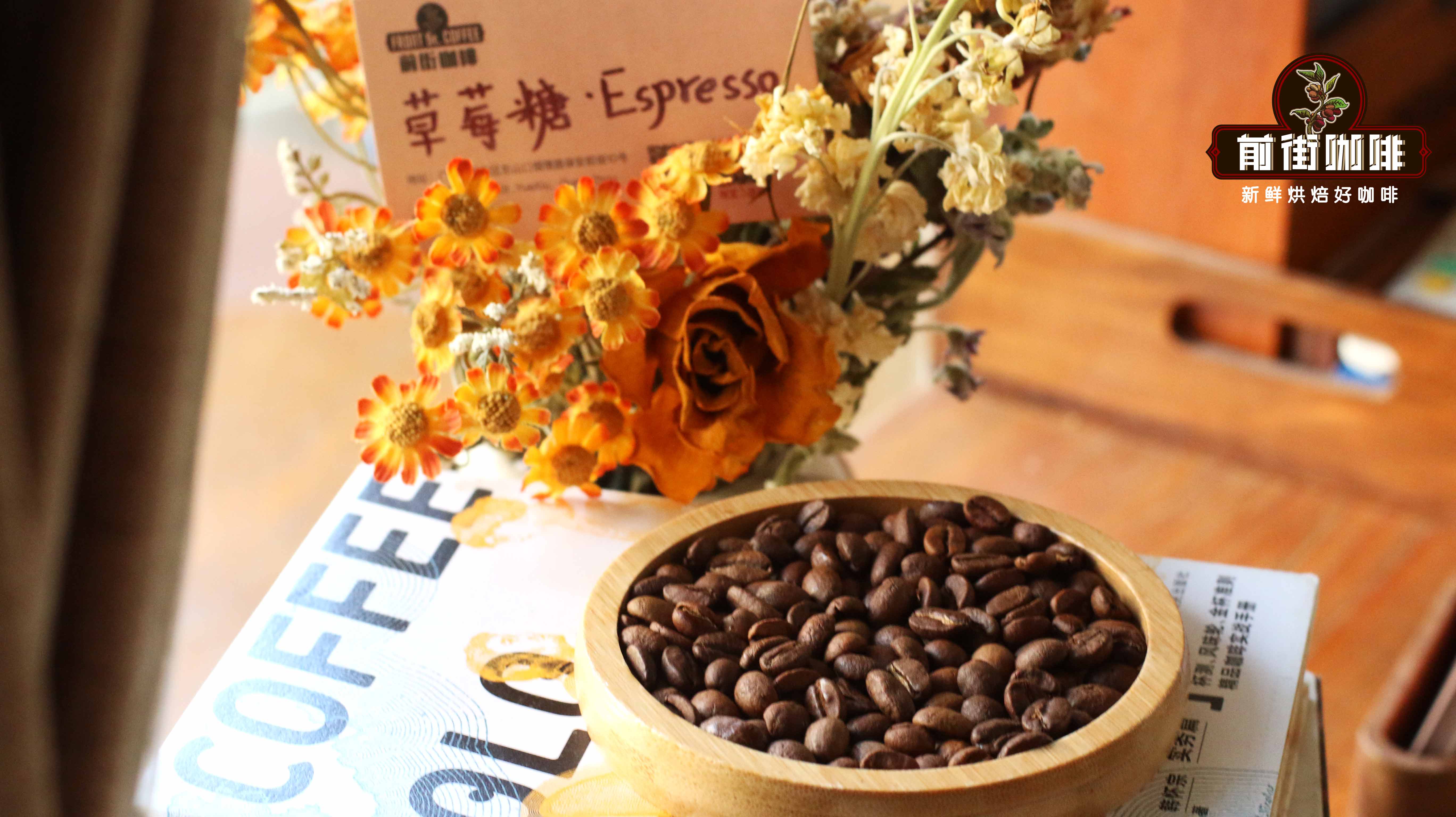
The key to making a quality americano lies in the selection of coffee beans. It is recommended to prioritize professionally proportioned blended beans; through the scientific combination of raw materials from different regions, these beans both ensure flavor stability and balance the flavor defects of a single origin through complementarity. For users seeking rich crema, formulas with buttery, roasted hazelnut and other caramelized aroma notes can be chosen; users who prefer a lighter taste can try mixed beans with nutty chocolate flavor. Those with special needs may also consider floral-fruity blends; these beans incorporate fresh elements such as citrus and berries, and when made into iced americano can present a pleasant taste similar to fruit gummies.

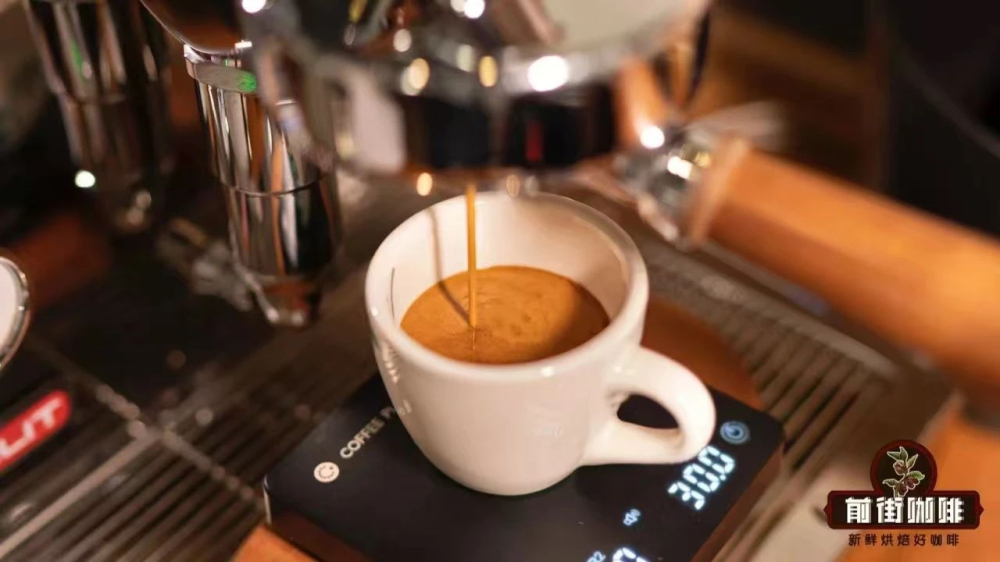
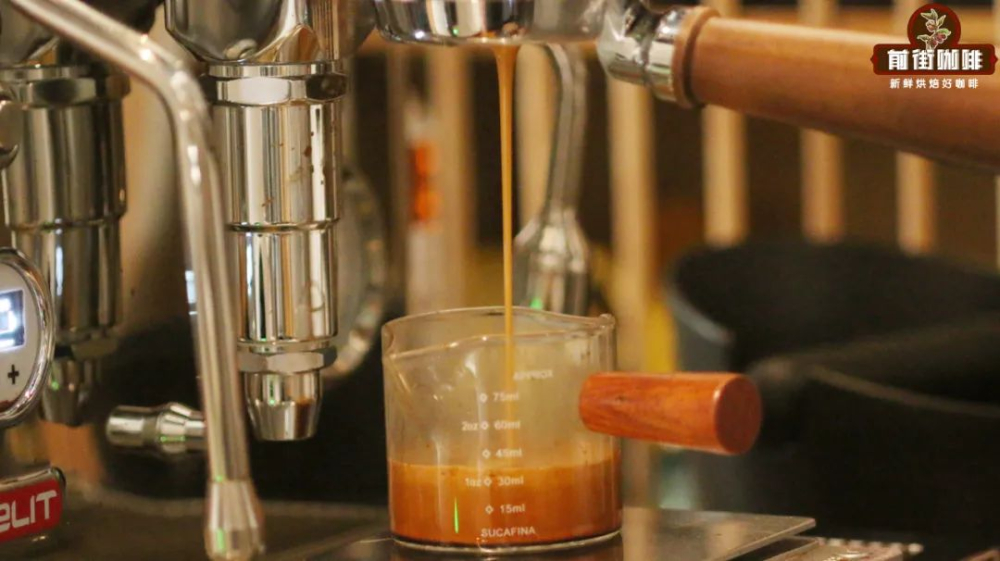
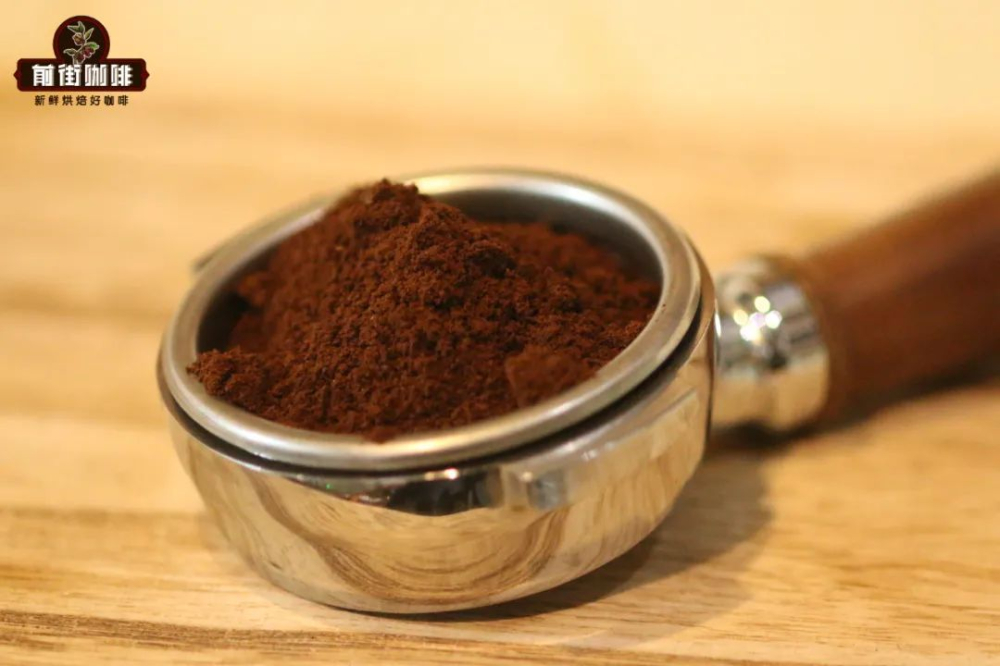
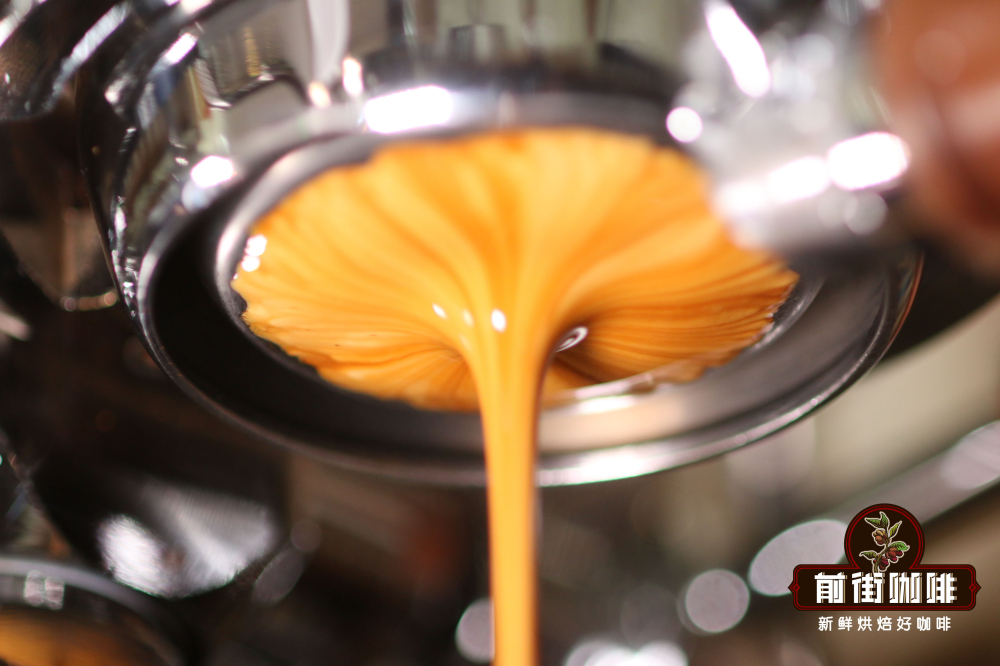
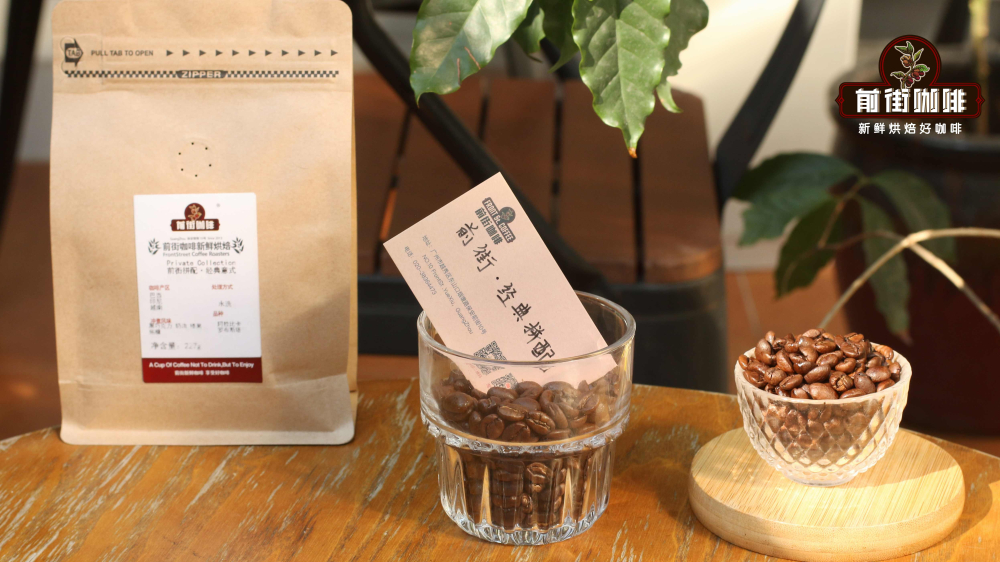
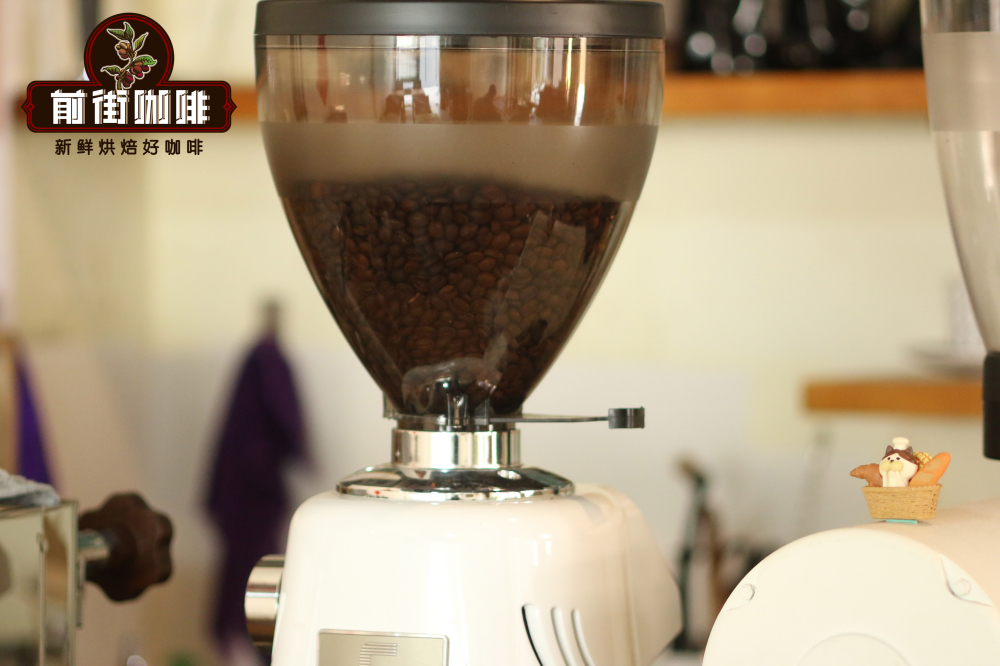

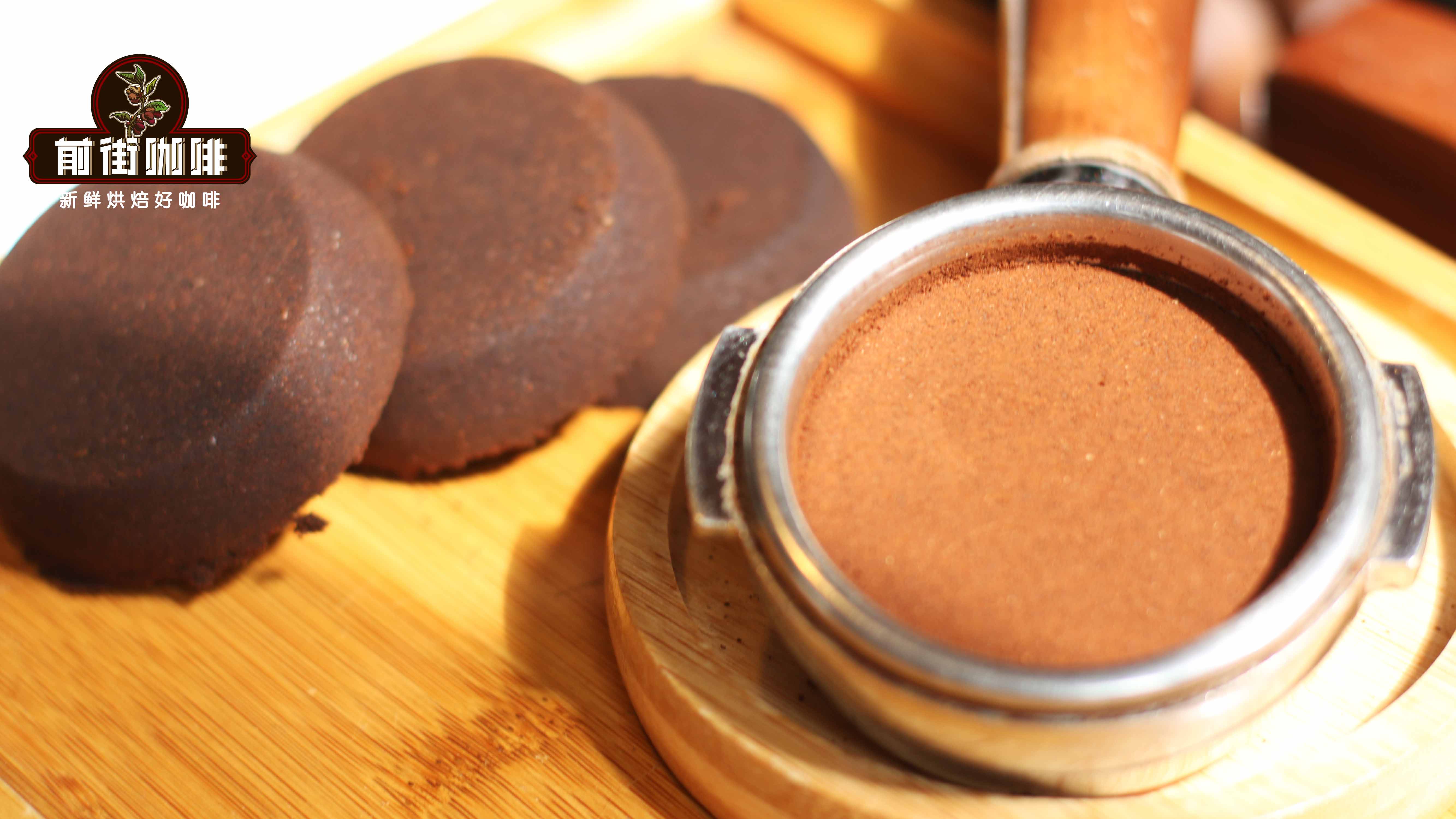
Standard iced americano preparation is divided into two stages: espresso extraction and dilution with water. Suggested basic parameters: use 20 g of extremely fine ground coffee, extract 40 g of espresso, maintain 9 bar pressure and a 25-30 second extraction time. In practice, fine-tune according to equipment characteristics—when the coffee tastes too sour on the palate or is under-extracted, optimize the flavor by reducing the dose (keeping the liquid weight unchanged) or increasing the liquid weight (keeping the dose unchanged); if the coffee is too bitter, adjust in the opposite direction. The dilution ratio usually uses a 1:5 baseline (40 g espresso + 200 ml cold water/ice); it is recommended to adjust flexibly according to the actual concentration of the espresso—when the concentration is too high, increase the water to dilute.
When making iced americano, pay special attention: use freshly roasted coffee beans (recommended for use within 2-14 days after roasting), and complete extraction within 15 minutes after grinding to ensure the best flavor. For summer iced americano, pre-chilling the vessels is recommended, and rapid cooling with an ice-water mixture should be used. Common problems include: under-extraction leading to a thin flavor (manifesting as sharp acidity and thinness), over-extraction producing a burnt bitterness (extending extraction time beyond 30 seconds), and an imbalanced coffee-to-water ratio causing the taste to be too weak or too strong.
From a health perspective, iced americano without added sugar or milk contains only 5-15 calories per cup; the caffeine it contains can accelerate metabolism, and the chlorogenic acid component can slow carbohydrate absorption, offering both a refreshing effect and assistance with fat burning. Drinking it after meals is recommended to aid digestion; moderate intake before and after exercise can enhance athletic performance. Note that daily caffeine intake should not exceed 400 mg (roughly equivalent to 3-4 standard americanos).