Pour-Over vs. Espresso Brew Ratios: Extraction Parameters to Flavor Balance
Introduction: Want to brew professional-level coffee at home? Mastering the brew ratio is key. This article takes a deep look at the core parameter differences between pour-over and espresso coffee, covering practical techniques such as water temperature control, grind adjustment, and the golden range of coffee-to-water ratios, and offers precise extraction plans for different roast levels. A FAQ section is included to help you precisely control the flavor layers of every cup.
Seventy percent of a coffee's flavor expression is determined by extraction parameters. Whether it is the delicate layers of pour-over or the rich intensity of espresso, the brew ratio (the ratio of coffee grounds to water) is the core variable affecting taste. Pour-over coffee typically uses a broad range of 1:12 to 1:18, while espresso must be precisely controlled within the intense range of 1:2 to 1:3; the difference stems from the fundamentally different brewing methods and drinking habits.
The Brew Ratio Philosophy of Pour-Over Coffee
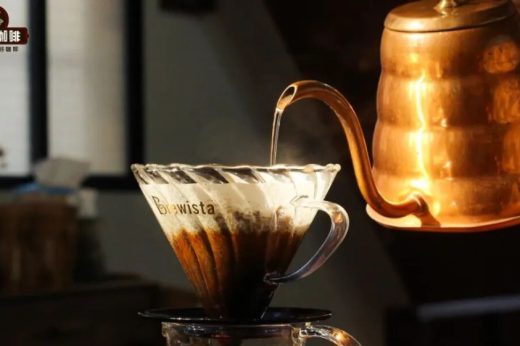
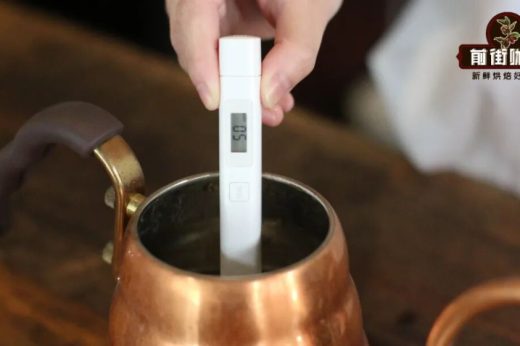
The golden pour-over brew ratio mostly falls within the flexible range of 1:15 ± 1. For light-roasted beans (such as Ethiopian Yirgacheffe), a higher water amount of 1:16 is recommended, using a water temperature of 88–92°C to bring out citrus notes; while dark roasts (such as Sumatra Mandheling) suit a denser ratio of 1:14, paired with 80–85°C water to suppress harshness. In practice, 15 grams of grounds with 225–270 milliliters of water is a common baseline, but fine-tuning is needed based on the dripper type—a conical dripper can take 10% more coffee to slow the flow rate, while a flat-bottom dripper needs 5% less to avoid over-extraction.
Precise Espresso Recipes
Professional espresso extraction follows a strict 1:2 coffee-to-liquid ratio (18–20 grams of grounds yielding 36–40 grams of espresso). Commercial semi-automatic espresso machines need to maintain 9–10 atmospheres of pressure; home models should extend extraction time to 25–30 seconds to compensate for insufficient pressure. Notably, blend and single-origin parameters differ greatly: dark-roast blends (such as Brazil + Robusta) can use a 1:2.5 dilution ratio to improve smoothness, while light-roast single-origin beans should stick to the intense 1:2 standard to highlight fruity and floral acidity.
The Synergy of Temperature and Grind
For every 1°C fluctuation in water temperature, the extraction rate of caffeine and aromatic compounds changes by 0.5%–1%. In pour-over, light roasts paired with a high temperature of 90–94°C can enhance the release of acidic and aromatic compounds, while dark roasts with a low temperature of 82–86°C can reduce burnt-bitter off-flavors. As for grind size, pour-over recommends a medium-fine grind (the texture of granulated sugar), while espresso requires a very fine powder (close to the texture of table salt), but note: grinding too fine causes channeling, while too coarse leads to under-extraction—this can be judged by observing the crema's color: golden and dense is ideal; grayish-white and thin means the parameters need adjustment.
Avoiding Common Beginner Mistakes
Avoid blindly pursuing high concentration: a pour-over ratio stronger than 1:10 over-extracts tannic acid, causing astringency, while weaker than 1:20 makes the flavor as bland as water. The crema thickness of espresso should remain at 3–5 millimeters; if rough bubbles appear or it dissipates quickly, it usually means the brew ratio is unbalanced or the grind is improper. Special reminder: when water hardness exceeds 150 mg/L, it is recommended to use filtered water and add 0.5 g/L of food-grade baking soda to adjust the pH, otherwise the catalytic effect of metal ions on flavor will be affected.
Once you have mastered these core parameters, you can optimize extraction through the "three-stage fine-tuning method"—first fix the water temperature and grind while adjusting the brew ratio, then optimize the pouring technique, and finally fine-tune the water quality parameters. Remember, there are no absolutely correct numbers, only the best balance point suited to the beans at hand and your taste.