Pour-Over Coffee Meets Cola: Brewing with Ice Cola and Cola Ice Cubes
Introduction: When ice cola meets pour-over coffee, is it a creative collision or a disaster in the cup? Through a real experimental comparison, this article analyzes the feasibility and flavor performance of extracting coffee directly with cola, while also exploring optimization techniques for the cola ice cube alternative. From parameter settings to detailed steps, it walks you through the extraction logic and taste differences behind this unusual combination, offering a practical reference for coffee lovers looking for a novel experiment.
You may have heard of all kinds of coffee brewing ideas, but is replacing hot water with cola to extract coffee bold enough? At first it sounds like a joke, but people online have indeed tried it, and it has even drawn quite a few coffee enthusiasts to imitate it. Since curiosity drives us, let's explore the actual results of this peculiar combination.
The so-called "cola-brewed coffee" means using ice cola instead of room-temperature or hot water as the medium for extracting coffee. The method is similar to iced pour-over: keep the amounts of coffee grounds and ice cubes unchanged, and the only change is replacing ordinary water with ordinary ice cola—whether sugared or sugar-free, you can choose freely according to personal preference.

In the experiment, a medium-light roasted coffee bean was chosen. This bean uses black honey processing, has high sweetness and mild acidity, with no obvious bitterness, making it very suitable for observing cola's influence on coffee flavor. For the parameters, they were basically the same as regular iced pour-over: fine grind, higher water temperature, a coffee-to-water ratio of 1:10, plus an appropriate amount of ice cubes, with the whole brewing process controlled to finish within 2 minutes.
The specific ingredients were as follows: 15 g coffee grounds, 150 g ice cola, 75 g ice cubes, grind close to fine granulated sugar, corresponding to a sieve passing rate of about 82% through the filter screen. The pouring technique used the classic three-stage method to ensure the coffee grounds fully contact the cola.

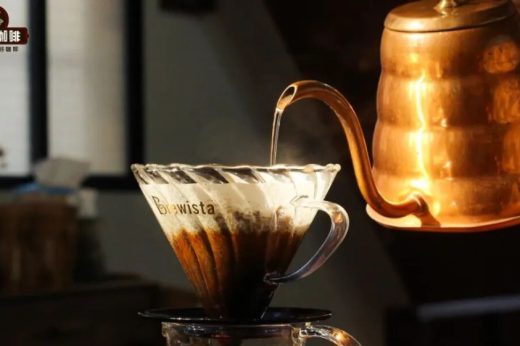
The procedure starts with adding the ice cubes, then wetting the filter paper and pouring in the coffee grounds. In the first step, slowly pour in 30 g ice cola, paying attention to use a small stream to ensure all coffee grounds are saturated. Because the cola can opening is small and makes the stream hard to control, you can also first pour the cola into a pour-over kettle and then pour. At this point, a large number of bubbles quickly appeared in the dripper, and part of the liquid flowed quickly into the server.

After 30 seconds, the second pouring stage begins: continue pouring 60 g cola in a circular motion with a small stream to extend the contact time between the coffee grounds and the cola. After this portion of liquid has seeped through, proceed to the third pouring stage, also maintaining a small stream, pouring the remaining 60 g cola at a fixed point from the center until the total liquid reaches 150 g, then let it stand until all dripping is complete. Finally, gently swirl the resulting coffee liquid with the ice cubes to mix, and it is ready to taste.
How did it actually taste? The overall flavor was dominated by the sweetness of the cola, accompanied by slight acidity, while the carbonation in the cola noticeably amplified the coffee's bitter notes. Although the overall taste was not bad, it was quite far from the flavor of traditional pour-over coffee—more like a glass of iced cola with a faint coffee taste.

Why did this result occur? The main reason is that ice cola is too low in temperature and itself contains a large amount of sugar and gas; its extraction capacity is far inferior to hot water, making it difficult to effectively draw out the aromatic substances and flavor compounds in coffee. In addition, the bubbles in cola hinder the release of flavor substances during extraction, so many of the essence components in the coffee fail to fully dissolve into the liquid.

Since direct extraction with cola does not work well, is there a compromise that lets you enjoy cola's flavor without sacrificing the coffee's own layers? The answer is: use ice cubes made from cola instead of ordinary ice cubes, as a medium for cooling and flavor blending.
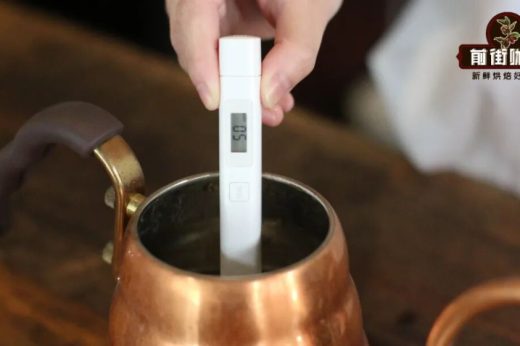
To verify this idea, a second experiment was conducted. The same coffee beans were used, and the parameters were kept consistent: 15 g coffee grounds, a coffee-to-water ratio of 1:10, water temperature 93°C, fine grind (corresponding to a sieve passing rate of about 82%), 75 g ice cubes, and likewise a three-stage pour. The only difference was that this time pre-frozen cola ice cubes replaced ordinary ice cubes.

The specific procedure was similar to regular iced pour-over: first pour 30 g hot water for a 30-second bloom, then pour 60 g hot water in the second stage in a clockwise circular motion, and when the coffee liquid is about to finish dripping, pour another 60 g hot water in the third stage, also in a circular motion, for a total time of about 1 minute 45 seconds. After dripping is complete, mix the coffee liquid with the cola ice cubes, and taste after it has fully cooled.

This time the flavor performance was a pleasant surprise. Compared with regular iced pour-over, the coffee liquid with cola ice cubes was darker in color and richer in flavor. On the palate, the coffee's own fruit and floral aromas were clearly noticeable, such as raisin and berry notes, along with moderate caramel and nutty tones. Meanwhile, the sweetness and carbonation released as the cola ice cubes melted added a touch of refreshing soda flavor to the whole, complementing the coffee's sweet-and-sour profile; the overall taste was soft and balanced.
In summary, although brewing coffee directly with cola is feasible, due to limitations of temperature, gas and composition, the flavor performance is often unsatisfactory, making it more suitable as a fun experiment for novelty seekers. Switching to cola ice cubes, however, preserves the coffee's main flavor while cleverly introducing cola's sweet, refreshing character—a more practical and flavor-harmonious innovative method.