Pour-Over Water Guide: Why Tap Water Falls Short and Optimal Brewing Parameters
Introduction: Did you know that water makes up more than 98% of a cup of pour-over coffee, and water quality directly affects the final flavor? Many coffee enthusiasts brew at home using tap water directly, only to find the coffee tastes flat with noticeable off-flavors. This article takes an in-depth look at how different water qualities affect coffee extraction, reveals through side-by-side tests why tap water is unsuitable for brewing coffee, and offers professionally recommended brewing water parameters to help you easily improve your coffee quality.
In a cup of pour-over coffee, water accounts for over 98% of the volume, and water quality plays a decisive role in how the coffee's flavor is expressed. However, in much coffee teaching content, the choice of brewing water is often glossed over, leading many coffee beginners to habitually use tap water at home—and frequently run into poor-tasting coffee.
When you use high-quality coffee beans, brew with standard parameters, and still find the coffee lacks the clarity it should have, tastes muddled, and carries an obvious unpleasant note, and repeated parameter adjustments bring no improvement, the problem may well lie in the water you're using. Compared with professional cafés, the flavor difference is often not just a matter of technique—the difference in water quality is the key.

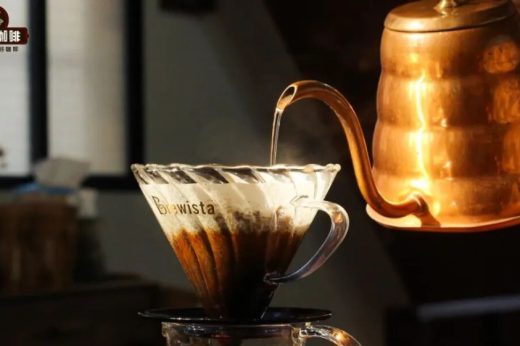
To verify the effect of different water qualities on coffee flavor, we selected three representative coffees for a comparative test: a medium-light roast with bright fruity acidity, a dark roast with pronounced bitterness, and a medium roast with obvious sweetness. Each coffee was brewed with identical parameters, with the only variable being tap water versus treated high-quality bottled water, and comparative tasting was used to observe the specific effects of water quality on coffee flavor.
The test parameters were set as follows: 16 grams of ground coffee, 240 ml total water, water temperatures of 93°C, 86°C, and 90°C respectively according to roast level, grind sizes corresponding to 80%, 70%, and 82% passing through China's No. 20 standard sieve, and a three-pour brewing method. This setup ensured the reliability of the test results by eliminating interference from other variables.

The test results showed that coffee brewed with high-quality bottled water was clearly superior to the tap-water samples in the brightness of fruity acidity, the layering of aroma, and the cleanliness of mouthfeel. Especially for medium-light roasted coffee, high-quality water better highlighted the freshness of its fruity acidity and the complexity of its aroma, while tap water greatly diminished these strengths and even produced unpleasant off-flavors.
So why does tap water have such an obvious negative effect on brewed coffee? It comes down to the water's chemical composition. Tap water, though seemingly colorless and tasteless, actually contains various minerals and residues from chemical treatment, and these components directly affect the coffee extraction process and the final flavor.

In coffee science, water hardness is mainly determined by the content of calcium and magnesium ions and bicarbonate, and these minerals have an important influence on coffee extraction efficiency. Water of moderate hardness (typically with a TDS value between 75 and 150 ppm) better extracts flavor compounds from coffee, with magnesium ions helping to enhance sweetness and aroma release, and calcium ions favoring the dissolution and balance of acidity.
According to the recommendations of the Specialty Coffee Association (SCA), the ideal TDS value for coffee brewing water should be between 75 and 250 ppm, with an optimal range of around 150 ppm. But in practice, soft water with a TDS below 100 ppm often brings a more balanced flavor, because such water does not over-extract undesirable compounds from the coffee while still fully bringing out its good qualities.

Most of China's tap water standards fall in the weakly alkaline range, but water quality varies greatly from place to place, and tap water in many cities is on the hard side, with TDS values often exceeding 200 ppm and even reaching over 300 ppm. Such high-hardness water over-extracts undesirable compounds from the coffee, causing bitterness and obvious off-flavors. Even tap water with a seemingly suitable TDS value can negatively affect coffee flavor due to the chlorine and other disinfection by-products added during treatment.
It is worth noting that even tap water with a TDS in the 150–180 ppm range, which on the surface appears to meet the basic requirements for coffee brewing, contains chlorine and other chemical treatment agents that react with compounds in the coffee to produce off-flavors resembling a "medicinal taste," seriously undermining the coffee's purity and flavor expression.
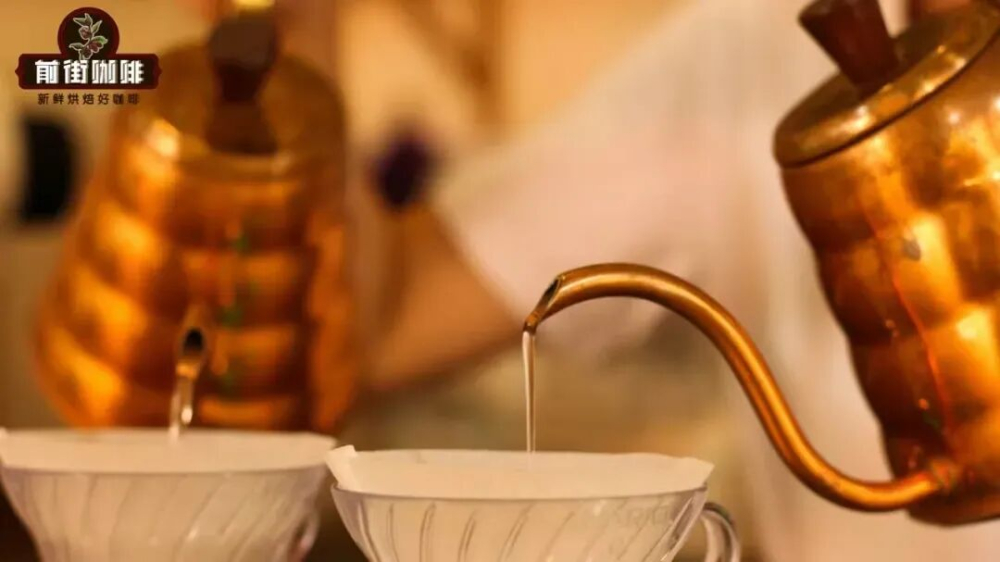
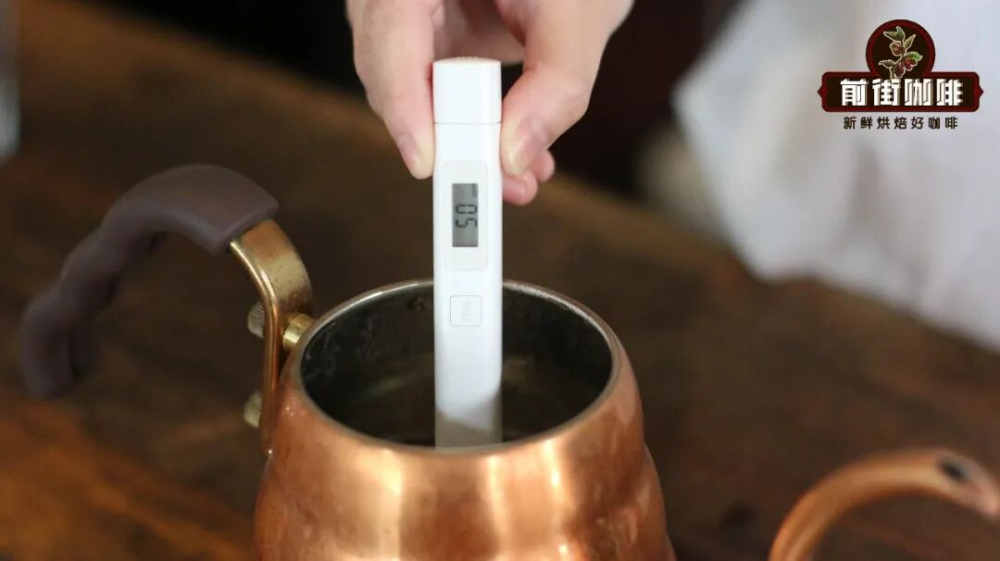
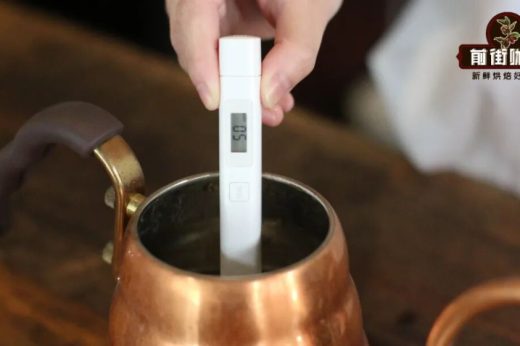
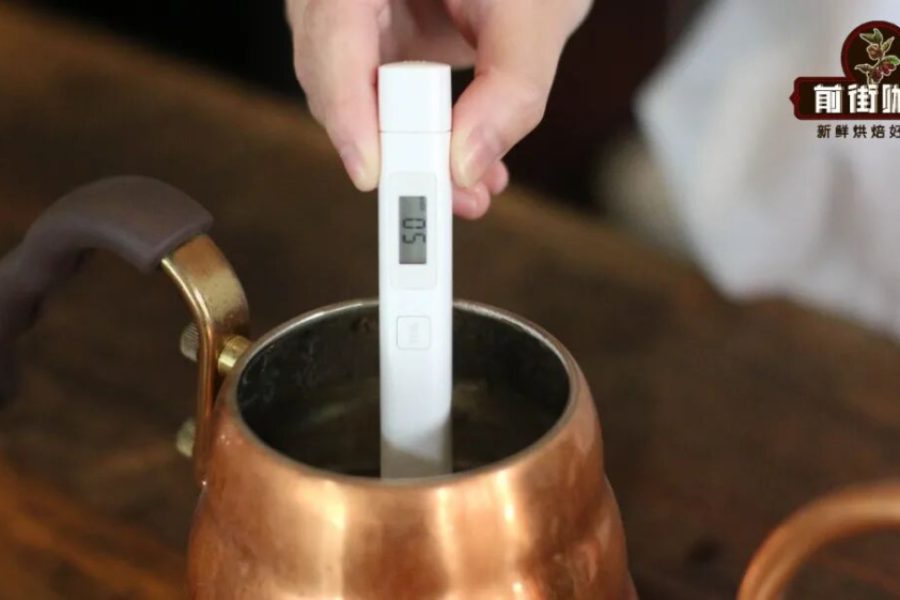
To solve the problems caused by tap water, many households choose to install filters. But note that not all filters effectively improve water quality; some filtration systems mainly remove large particulate impurities and odors, with limited change to the mineral content that affects coffee flavor. Therefore, after installing a filtration system, it is advisable to use a TDS meter to check changes in water quality and to evaluate the improvement through actual brewing comparisons.
If the filtered water is still unsuitable for brewing coffee, the simplest solution is to use high-quality bottled drinking water. When choosing bottled water, avoid purified water and overly hard mineral water. Purified water contains almost no minerals, leading to under-extraction and thin flavor; some mineral waters have excessively high mineral content, which interferes with normal coffee extraction and produces off-flavors.
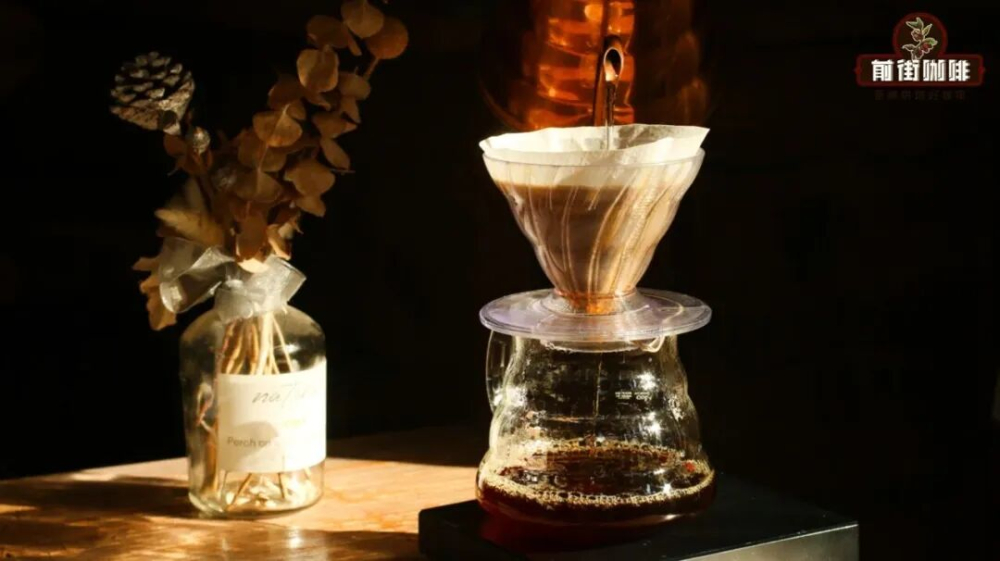
Through extensive testing and verification by coffee enthusiasts and professionals, a high-quality bottled water with a TDS value between 35 and 50 ppm has proven to be the most suitable choice for everyday coffee brewing. This water contains just the right amount of minerals to support good extraction without interfering with the coffee's true flavor due to excessive mineral content—making it the lowest-risk option for coffee beginners and the easiest route to high-quality brewing results.
In summary, if you want to brew excellent coffee at home, the choice of water cannot be overlooked. Understanding the characteristics of different waters, choosing suitable brewing water, and pairing it with the right brewing parameters are what allow the fine qualities of coffee beans to fully shine through—so you can enjoy a cup of pour-over coffee with balanced flavor and rich layers.
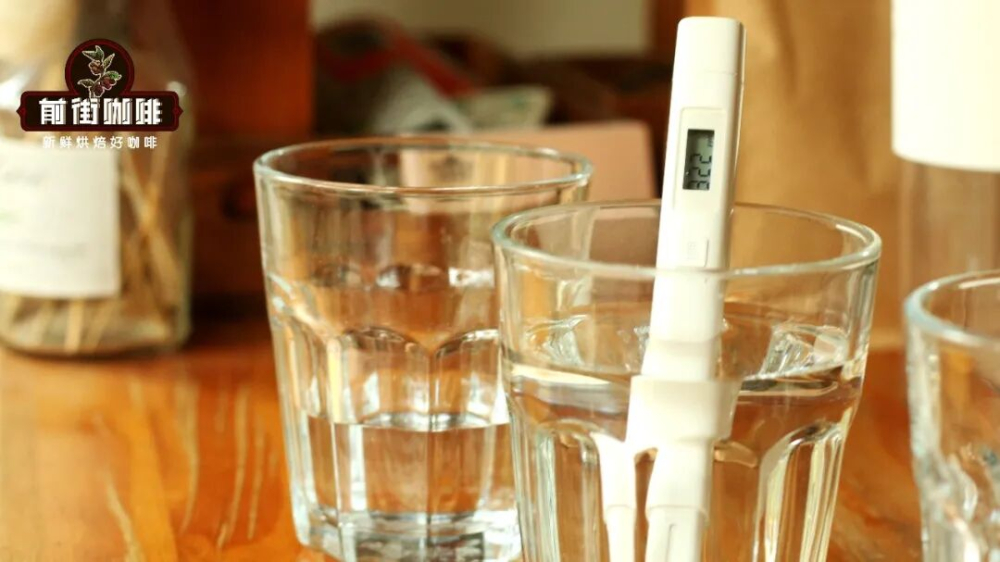
Through the detailed introduction in this article, I believe you now understand why tap water is unsuitable for brewing coffee and how to choose the right brewing water. Remember, coffee brewing is a combination of science and art, and every detail can affect the final flavor—and water quality is precisely the key variable in this refined equation that cannot be ignored.