Mandheling Coffee Beans: Flavor, Sumatra Legend, and Brewing Guide
Introduction: Mandheling coffee, with its full body and unique herbal notes, has become a representative of Asian specialty coffee beans. This article provides an in-depth interpretation of the interesting history behind its name, the terroir secrets of the Sumatra producing region, a comparison of the strict screening standards for Golden Mandheling, and professional medium-dark roast parameters and flavor characteristics, helping you accurately grasp the core charm of this classic black coffee.
Regarding the origin of the name Mandheling, there is a classic story born from a language misunderstanding. In 1945, Japanese soldiers stationed in Sumatra tasted local coffee and greatly admired it. When they asked a vendor for the name, due to language barriers, the Mandheling indigenous people mistakenly thought they were asking about their nationality and answered "Mandheling"—and this place name thus became synonymous with the coffee. After the war, the soldiers returning to Japan could not forget this flavor, which drove the reverse import of this coffee variety to Japan and its popularity worldwide.
As an important member of the Indonesian coffee landscape, Mandheling is mainly produced on the island of Sumatra near the equator. The region's unique volcanic soil and humid climate give the coffee beans their signature full body and multi-layered flavors. The same coffee variety grown on different islands shows significant differences; this terroir characteristic gives Mandheling a natural honey-like sweetness, complemented by a soft bitterness and a lasting sweet aftertaste, with a particularly prominent finish in the throat.
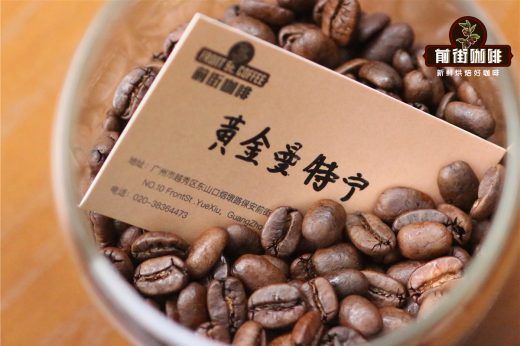
It should be specially noted that the coffee beans labeled "Mandheling" on the modern market actually generally refer to arabica green coffee beans processed using Indonesia's traditional wet-hulling method. This process accelerates drying by quickly removing part of the mucilage layer, enhancing body while preserving acidity, but not all products meet high-quality standards. Among them, Golden Mandheling is a high-end subcategory exclusively operated by the Indonesian company PWN (short for Pawani). Each 30 kg package comes with a quality certificate, and its English trademark is protected by registration by the original manufacturer.
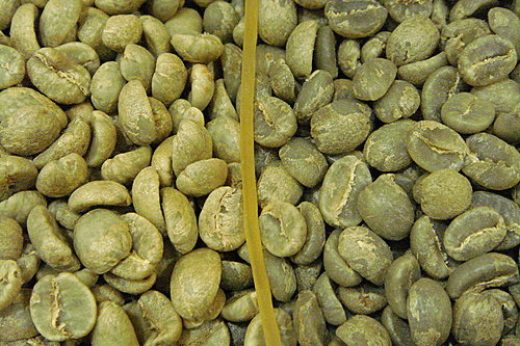
The outstanding quality of Golden Mandheling stems from a strict production process: manual picking of ripe coffee cherries one by one, four rounds of fine screening to remove defective beans, and traditional wet-hulling processing that achieves a higher standard of purity. Compared with ordinary Sumatra Mandheling, which may have earthy notes or excessive herbal bitterness, the selected beans are plumper and more uniform. When brewed, they display rich nutty notes, a thick creamy texture, and a finish with a unique caramel sweetness; even when paired with milk, the flavor remains balanced.
As for the question of whether Mandheling is a black coffee, the answer depends on how it is consumed—as a pure coffee beverage without added dairy, its medium-dark roast version is indeed a typical black coffee. Professional roasters generally recommend medium to dark roasting (suggested range: early second crack to rolling second crack), which can highlight the heavy body characteristic of Asian beans while developing complex flavor layers such as chocolate and spices.
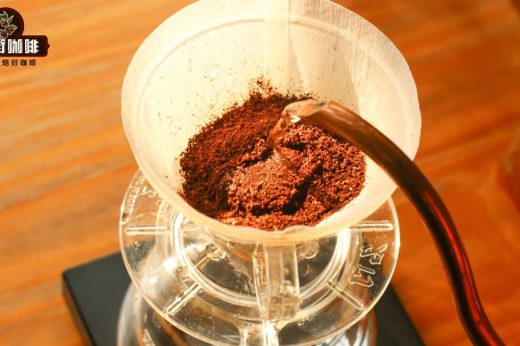
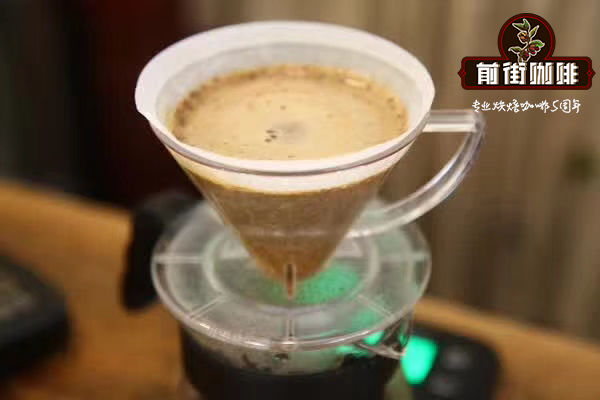
For home brewing practice, typical parameters for medium-dark roasted Mandheling are: grind size medium-fine (similar to fine granulated sugar), water temperature 88-90°C, coffee-to-water ratio 1:14 to 1:15, and a center-pour technique to maintain a total extraction time of 2 minutes ±10 seconds. In terms of flavor, high-quality Mandheling often presents a distinct herbal aroma base, accompanied by the sweetness of dark cocoa and roasted almonds, as well as a mild honey-like sweet finish—these characteristics make it a classic entry choice for pour-over coffee enthusiasts.