Indonesian Mandheling Coffee: Flavor, Roasting and Brewing Guide
Introduction: Mandheling coffee is often mistakenly believed to be entirely without acidity, but in fact its flavor is significantly influenced by roast level and brewing method. This article systematically analyzes Mandheling's characteristics as a typical black coffee, compares the taste differences across roast levels, explains the causes of the earthy and spicy flavors in wet-hulled beans from the Sumatra region, and provides professional brewing parameter recommendations from grind size to water temperature, helping enthusiasts precisely grasp the flavor characteristics of this classic bean.
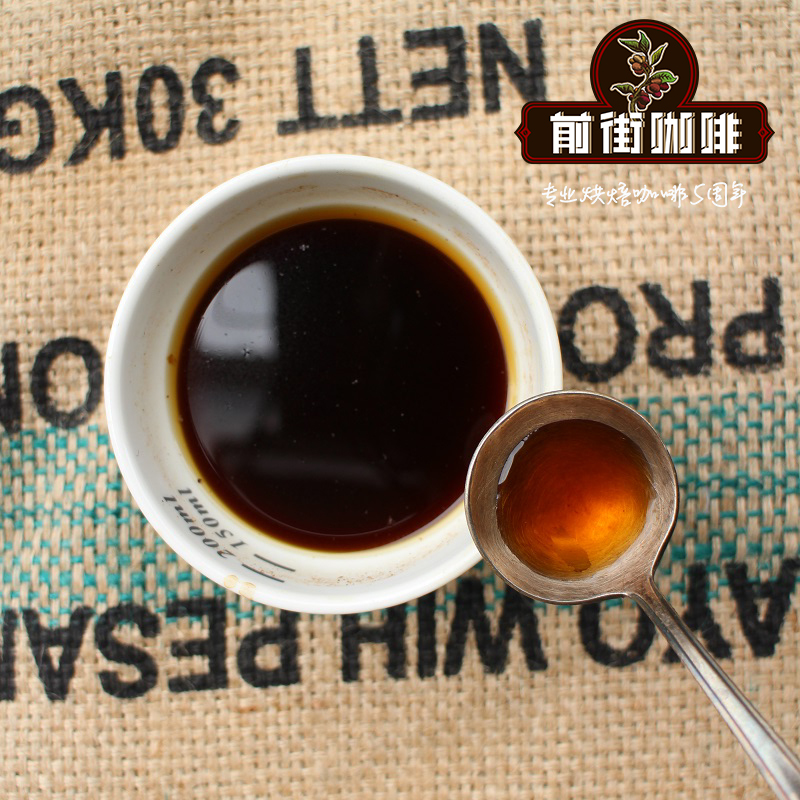 Many coffee enthusiasts wonder when first encountering Mandheling—does this famous coffee bean from Indonesia actually fall into the black coffee category? In fact, Mandheling is indeed predominantly dark-roasted, but at light roast levels it also shows pronounced acidity; it is simply market preference that has created the fixed impression of "low acidity, full body."
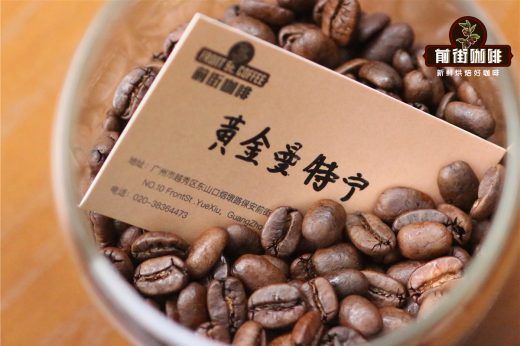
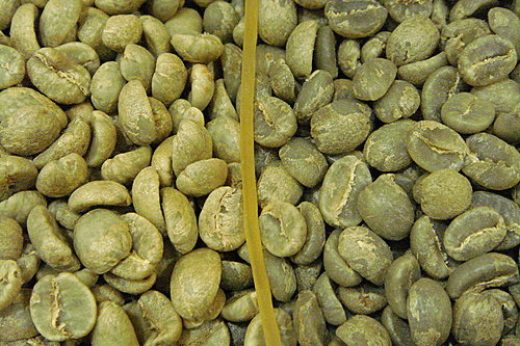
The key to judging whether Mandheling is acidic lies in the roast depth. This can be preliminarily distinguished by observing the green bean state: dark-roasted beans have an oily, glossy black surface (usually reaching the dense stage of second crack), with acids fully broken down at high temperatures, presenting the signature woody and herbal notes; medium-light roasted beans retain a light brown luster and preserve more citric acidity and floral-fruity character. Professional roasters recommend that to experience Mandheling's regional character, one should choose the medium-dark roast range from the end of first crack to the beginning of second crack (approximately 205-215°C drum temperature).
The unique flavor of Sumatran Mandheling comes from three core elements: high-altitude growing environment (main producing areas at 1,200-1,500 meters elevation), wet-hulled processing, and the genetic traits of the distinctive Geisha variety. This processing method removes the mucilage layer while retaining part of the parchment, accelerating the drying process to form a full body, which together with volcanic soil imparts a complex aroma of herbs, smokiness, and dark chocolate.
Fine-tuning brewing parameters will significantly change the flavor expression:
- For a French press, use a coarse grind (similar to sea salt granules) with water at 92-94°C; steeping for 4 minutes enhances nutty notes
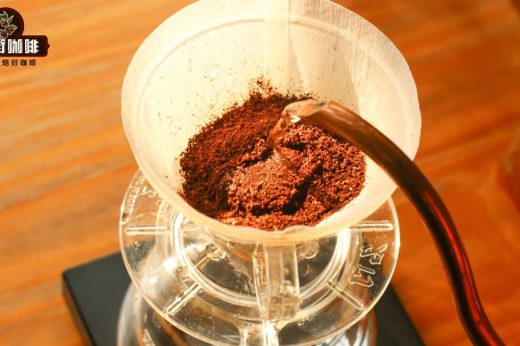
- For pour-over, a medium-fine grind is recommended (75% passing through a Chinese standard No. 80 sieve) with 90-91°C water and a three-pour method, balancing body with a faint citrus finish
- For a moka pot, control the coffee-to-water ratio at 1:6; with a fine grind, keep extraction time under 30 seconds to avoid excessive bitterness
Common misconception warning: some consumers mistake Mandheling's roast defects (such as burnt bitterness or excessive smokiness) for normal flavor characteristics. High-quality Mandheling should have a three-stage flavor layering—a clear entry of dark chocolate and toasted bread as the base, sandalwood and clove emerging in the middle, and a long-lasting caramel sweetness in the finish. If sharp acidity or a putrid, earthy taste appears, it usually indicates improper green bean storage or a roasting error.
For coffee enthusiasts just starting out, it is recommended to begin with the medium-dark to full-dark range (corresponding to City+ to Full City+ in the SCA roast classification). By cupping the same bean at different roast levels side by side (for example, the same batch roasted separately to the end of first crack and the beginning of second crack), you can intuitively understand how roasting affects acidity, sweetness, and body. Remember, Mandheling's charm lies precisely in its low-acidity, high-body balance—which is an important reason it has become a top choice for office and after-dinner coffee.