Cold Brew with Drip Bags: Ratios and Flavor Guide
Introduction: Craving refreshing iced coffee in summer but find pour-over a hassle? Cold-brewing a drip bag is a smart choice! This article explains the origins and principles of drip-bag cold brew, the logic of flavor pairings, provides precise coffee-to-water ratios and extraction parameters, and includes a step-by-step guide. It particularly explains how extending refrigeration time enhances flavor complexity, helping you achieve a cold brew experience close to pour-over quality in the simplest way.
For busy office workers or people with limited living space, drip bag coffee offers a convenient solution comparable to freshly ground. This hanging filter design from Japan (first created by Yamanaka Sangyo in 1990, refined and standardized by Daiki Sangyo in 1998) lets coffee grounds fully contact hot water through a suspended filter bag, preserving the flavor advantages of freshly ground coffee while eliminating the need for professional equipment.
When making iced coffee, combining the cold brew process with the drip bag design brings unexpected surprises. Compared with traditional hot extraction, low-temperature slow extraction reduces tannic acid release, making the coffee smoother and less likely to turn bitter. Test data shows that cold brew refrigerated for more than 12 hours has about 40% less acidity than hot-brewed coffee, making it especially suitable for summer drinking.
[The Past and Present of Drip Bag Coffee]
The earliest drip bag prototype was actually an extension of tea bag technology, and early products had issues with uneven water flow. After repeated improvements, modern drip bags use a widened filter edge design (the unfolded filter bag typically measures 10×15cm), combined with food-grade non-woven filter paper, which both stably supports the coffee bed and ensures 100% filtration of coffee grounds.
[Flavor Selection Guide]
Coffee beans from different regions show distinct characteristics after cold brewing:
• Bright acidity type: Ethiopian washed Yirgacheffe (floral/citrus notes), Kenya AA (berry acidity), light roast recommended
• Balanced and full-bodied type: Costa Rica honey process (caramel sweetness), Panama Hacienda La Esmeralda (nutty chocolate), medium roast best
• Rich nutty type: Indonesian Golden Mandheling (herbal aroma), Yunnan small-batch coffee (caramel sweet aftertaste), dark roast shows more complexity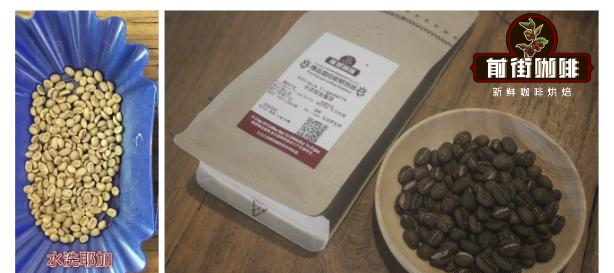
[Practical Parameter Recommendations]
Using 10g of medium-coarse ground coffee as an example (similar to granulated sugar in pour-over), the recommended base ratio is:
• Coffee-to-water ratio: 1:15 (150ml water/10g coffee)
• Water temperature: use room-temperature water or refrigerated mineral water (4-8°C)
• Duration: 12-16 hours of refrigerated extraction (the longer the time, the lower the acidity; do not exceed 24 hours)
[Detailed Step-by-Step Breakdown]
1. Prepare a sealed container (a wide-mouth glass bottle is recommended) and 150ml cold water
2. Tear open the drip bag and keep the filter bag for later use
3. Pour the coffee grounds into the container, first adding 15ml of cold water to moisten the coffee bed (blooming activation)
4. Add the remaining cold water and stir gently until no clumps remain
5. Seal and refrigerate, storing away from light during extraction
6. After extraction, remove the filter bag; a fine sieve for a second filtration is recommended to ensure clarity
Advanced tips:
• To enhance sweetness, add 5% condensed milk or sea salt during steeping
• Using a double-layer sealed box better maintains the low-temperature environment
• It is best to use coffee grounds immediately after opening; unused drip bags should be sealed and stored away from light (best flavor within 7 days)