How to Choose Decaf Coffee Beans: Pour-Over Picks and a Healthy Drinking Guide
Introduction: Decaf coffee is not entirely caffeine-free; it is a drink in which more than 97% of the caffeine has been removed through special processes. This article explains how decaf coffee is made, compares mainstream decaffeination methods, analyzes the actual impact of residual caffeine, recommends medium-dark roasted beans suited to pour-over brewing, and discusses nutrient retention and drinking recommendations for decaf coffee, helping coffee lovers balance the need for alertness with sleep quality.
Decaf coffee (Decaf) refers to a special category in which at least 97% of the caffeine in the coffee beans has been removed through professional processes, leaving only a trace amount of caffeine (usually no more than 7 mg) per cup. This treatment preserves the flavor layers of coffee while significantly reducing caffeine's stimulating effect on the nervous system, making it especially suitable for people who are sensitive to caffeine or need to control their intake.
A widely circulated story surrounds the origin of decaf coffee: in the early 19th century, the German poet Goethe, whose sleep was affected by coffee, asked his friend the chemist Runge to analyze the composition of coffee beans. Around 1820, Runge identified caffeine as the key substance causing insomnia and began preliminary work on separation techniques. However, limited by the extraction methods of the time, it was not until 1903 that the German importer Roselius discovered that soaking beans in seawater reduced their caffeine content, and later worked with chemists to improve solvent extraction, finally enabling large-scale production of decaf coffee.
The "caffeine-free" label on modern decaf coffee has a clear definition: the internationally accepted decaffeination rate must reach 97% or more (some stricter standards require 99.9%). Mainstream decaffeination methods fall into three categories: first, the water process (Swiss Water Process), which dissolves caffeine by soaking in pure water and then filters it out, preserving the original flavor relatively well but taking longer; second, the chemical solvent method (such as dichloromethane or ethyl acetate), which uses solvents to selectively adsorb caffeine, offering high efficiency but possibly leaving trace amounts of chemicals; third, the supercritical carbon dioxide method, which uses the liquid properties of carbon dioxide under high pressure to precisely extract caffeine, balancing efficiency and flavor stability. Whichever process is used, decaffeination is completed before roasting and grinding, so the final product's nutrients (such as antioxidants and minerals) are basically the same as those of regular coffee; only process differences may cause a slightly lighter color and gentler aroma.
It should be clarified that decaf coffee is not absolutely caffeine-free. Actual tests show that each cup of decaf espresso typically contains 0-7 mg of caffeine (regular espresso is about 63-75 mg), and a single cup of regular pour-over decaf retains about 2-5 mg. For most adults (the recommended daily safe intake is no more than 400 mg), occasional decaf drinking will not cause noticeable stimulation, but those with extreme sensitivity should still be mindful of cumulative effects.
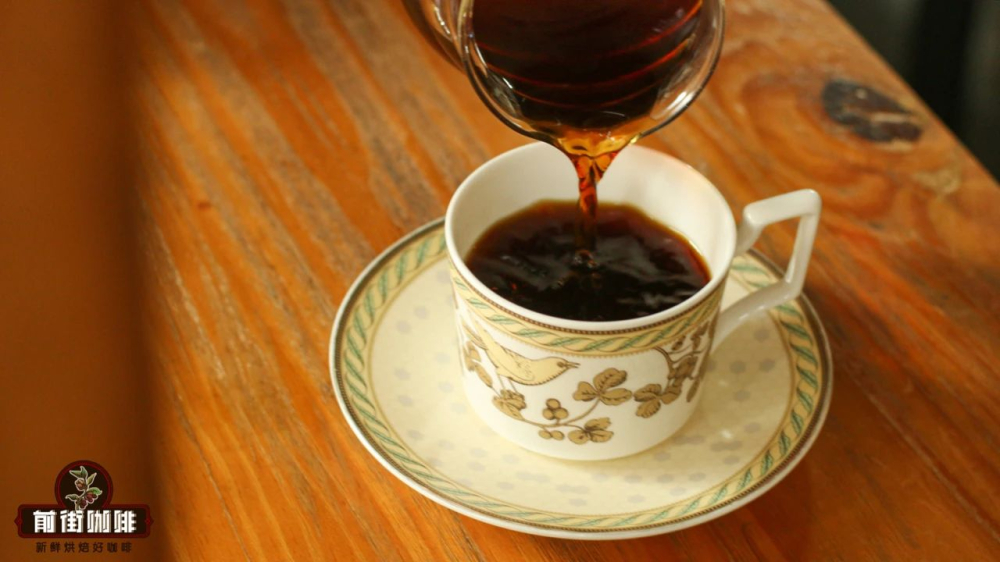
The flavor of decaf coffee is often misunderstood as "bland," but in fact the key depends on the quality of the green beans. High-quality arabica varieties (such as Caturra and Geisha) can still present rich caramel, chocolate and nutty notes through medium-dark roasting even after decaffeination. Taking medium-dark roasting as an example, this process strengthens the caramelization of sugars, giving the coffee a mellow body while reducing the stimulation of acidity on sensitive palates. When brewing, a water temperature of 90-93°C is recommended, with a 1:15-1:16 coffee-to-water ratio (common pour-over parameters), and a center-pour method to slow the extraction speed, which better highlights the sweetness and body of decaf beans.
Regarding the health controversy over decaf coffee, the scientific community has reached a clear conclusion: it retains about 85%-95% of the antioxidants in regular coffee (mainly chlorogenic acid derivatives and polyphenols), and these components effectively scavenge free radicals and help reduce the risk of cardiovascular disease and type 2 diabetes.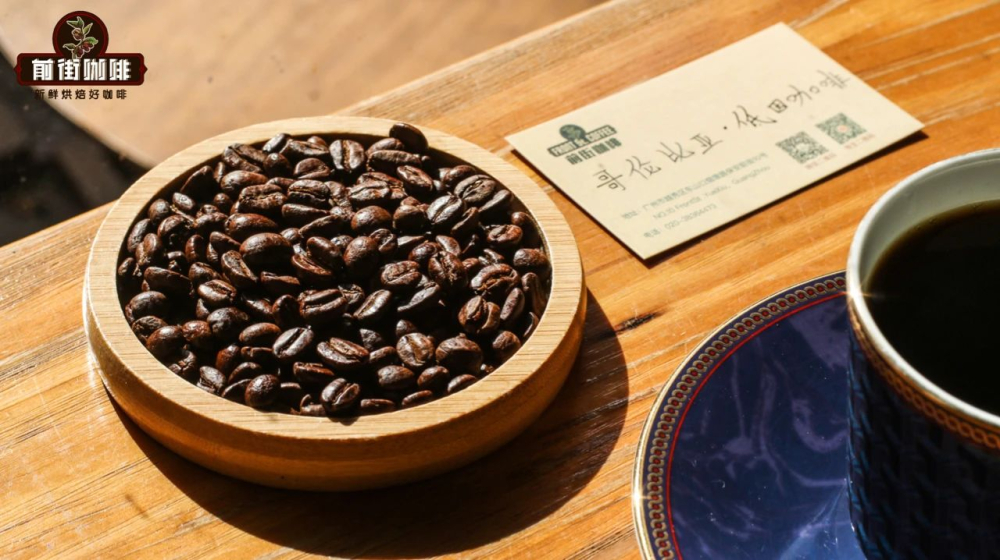 At the same time, each cup of decaf coffee still provides trace minerals—about 2.4% of the daily magnesium requirement, 4.8% of potassium and 2.5% of vitamin B3 (niacin)—and regular long-term drinking (2-3 cups per day) can accumulate a considerable nutrient intake. Note that some low-priced decaf products may be processed from defective beans; when buying, prioritize checking origin information and roast dates to avoid stale beans affecting the flavor.
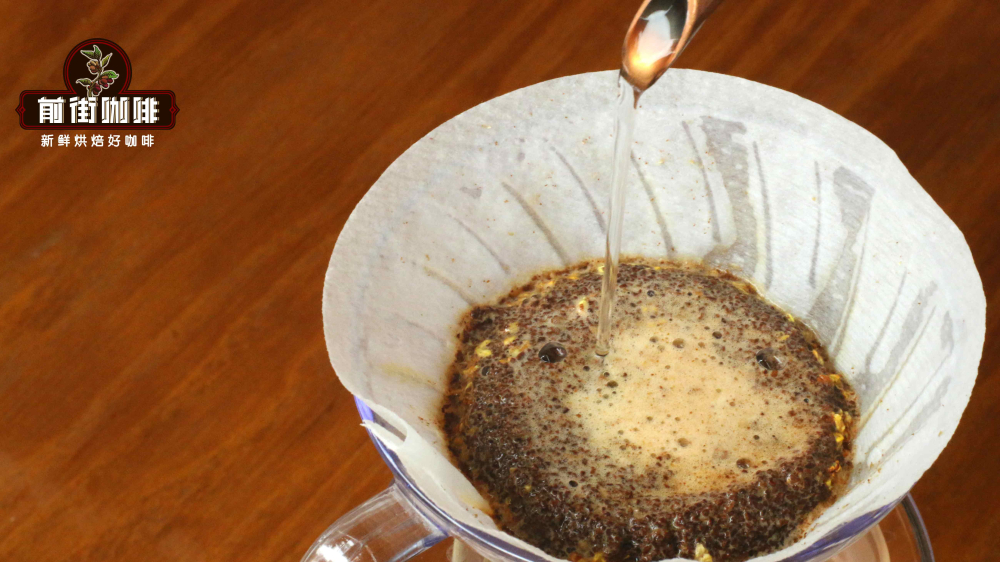 In summary, decaf coffee is a practical choice for balancing coffee enjoyment with health needs. Consumers can choose products with a higher decaffeination rate (such as beans processed by the supercritical carbon dioxide method) according to their own sensitivity, and optimize flavor performance by adjusting grind size (medium-fine grind is recommended for pour-over) and controlling brew time (1 minute 30 seconds to 2 minutes). For people prone to insomnia at night, choosing decaf instead of regular drinks after 3 p.m. is recommended, as it allows you to enjoy the coffee ritual while minimizing sleep disruption.