Espresso Grind Adjustment Guide: SOE and Blend Coarseness Standards and Practical Tips
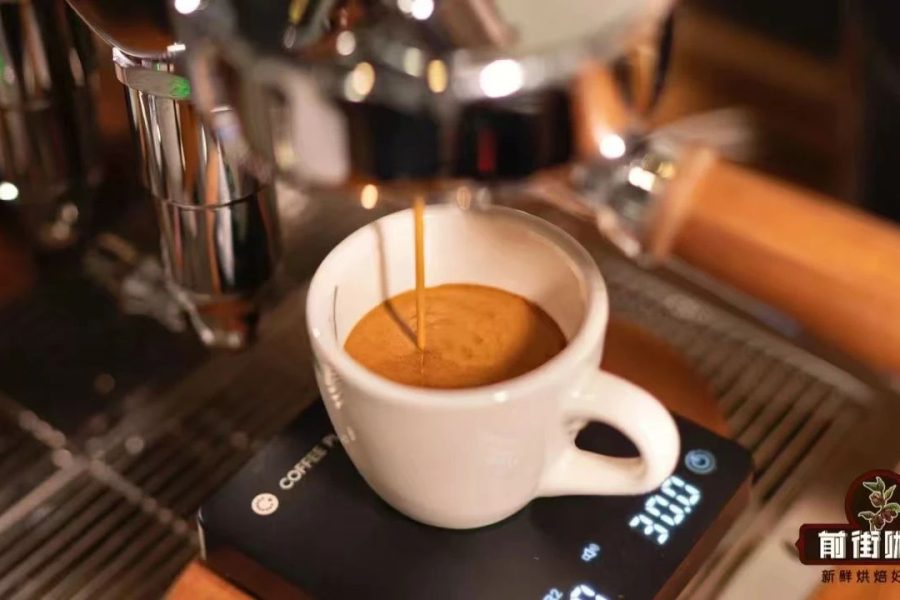
Introduction: Precise grind size is key to unlocking espresso flavor. This article explains in detail how to adjust grind coarseness according to coffee bean roast level and extraction performance, provides practical reference parameters for espresso blends and single-origin beans (SOE), and shares grind calibration methods from beginner to advanced, helping you consistently extract rich, balanced espresso.
In coffee making, grind size directly affects flavor extraction efficiency, and espresso has especially strict requirements for this parameter. Compared with pour-over coffee, the pressure extraction process of espresso magnifies subtle differences several times over—a grind deviation of just 0.1 on the dial can cause over-extraction and bitterness, or under-extraction and sharp acidity. For beginners, finding the right grind coarseness is the first threshold to entry into espresso.

The grind size for pour-over coffee can be checked with a sieve (for example, 70%-80% passing through a No. 20 sieve is sufficient), and the margin for error is relatively high; but espresso needs to be extracted quickly under **9-10 atmospheres of pressure** (usually 20-30 seconds), and any subtle adjustment directly affects the final taste. If the grind is too fine, water flow is obstructed and extraction time is prolonged, which easily causes over-extraction; if too coarse, water flows too quickly and flavor compounds are not fully dissolved, making the coffee seem thin and lacking layers.

The first step for beginners in adjusting grind size is to lock in an initial range. Set the grinder dial to a fineness close to flour (soft to the touch with no gritty feel); this is the starting reference point for most espresso machines. At this point note: medium-dark roasted beans (such as the common chocolate-toned blends) expand fully and absorb water more strongly, so the initial grind can be slightly coarser than for medium-roast beans; while single-origin SOE (such as naturally processed Ethiopian beans) has a denser texture and usually requires a finer grind to achieve full extraction.

After determining the starting grind size, calibration should be based on the general formula of a 1:2 dose-to-yield ratio and a 20-30 second extraction time. For example, with an 18-gram basket, dose 18 grams of coffee grounds with the goal of extracting 36 milliliters of espresso. After fixing the dose and ratio, adjust grind coarseness by turning the grinder dial—if extraction time exceeds 30 seconds, the grind is too fine and needs to be coarsened; if it is under 20 seconds, the grind is too coarse and needs to be refined.

Once extraction time is stable in the 20-30 second range, the next step is fine-tuning based on flavor feedback. When tasting espresso, if acidity is prominent and body is lacking, it usually means the grind is still too coarse and needs further refinement to lengthen extraction time; if there is a burnt-bitter or smoky sensation, the grind may be too fine or the dose-to-yield ratio unbalanced, so try coarsening the grind or adjusting the dose-to-yield ratio to 1:1.8 (for example, 18 grams of grounds extracting 32.4 milliliters). After each adjustment, retest extraction time and flavor performance, gradually approaching the optimal parameters.

Many beginners ask: can you simply buy ready-made coffee grounds to save the trouble of grind adjustment? In fact, the freshness and grind consistency of espresso grounds are unmatched by home-ground powder. Espresso grind particles are much finer than pour-over (usually close to powder), flavor compounds volatilize faster, and carbon dioxide is lost in large amounts within 24 hours after coffee beans are ground, directly affecting crema formation and aroma performance. In addition, espresso grind size needs dynamic adjustment according to the beans' degassing characteristics (fresh beans degas vigorously and need a slightly coarser grind, stale beans need a slightly finer one) and ambient humidity (humid weather requires a coarser grind to prevent clogging); pre-ground powder can hardly adapt to these changes.

Details also require attention in practice: when adjusting grind size, it is recommended to turn only 1/4 turn each time and record the setting, avoiding jump adjustments that make it hard to judge the optimal parameters; clean the grinder burrs regularly (residual oils and fines affect grind uniformity); use a digital scale to precisely weigh dose and liquid weight (error no more than ±0.5 grams) to ensure data reproducibility. Through systematic adjustment and record-keeping, you can not only find the best grind size for the current beans but also gradually develop sensitivity to espresso flavor.

In summary, espresso grind adjustment is a combination of science and experience. Medium-dark roasted blends can start slightly coarser, while medium-roast SOE needs to be finer; the core parameters revolve around a 1:2 dose-to-yield ratio and a 20-30 second extraction time, then refine adjustments through flavor feedback. Once you master this skill, you will be able to consistently extract layered, balanced espresso, laying a solid foundation for subsequent milk steaming and latte art.