How to Extract Quality Espresso Crema: Bean Selection and Brewing Tips

Introduction: The crema of espresso is not only a visual highlight but also the heart of its flavor. Golden, dense crema with tiger-stripe patterns usually indicates a high-quality espresso. But to extract this kind of crema at home, you need to master key factors such as coffee bean freshness, roast level, coffee variety, and extraction pressure. This article explains in depth the core elements that affect crema formation and offers practical advice to help you improve your home coffee experience.
Espresso is the foundation of many coffee drinks—whether latte, cappuccino, or americano, none can do without this small shot of concentrated coffee. One important criterion for judging whether an espresso is good is the crema on its surface. Ideal crema should be golden in color, with fine tiger-stripe patterns, about 1–2 cm thick, and give off a rich aroma of roast and dark chocolate. So how can you extract this kind of crema? Next we will explain from several key factors.
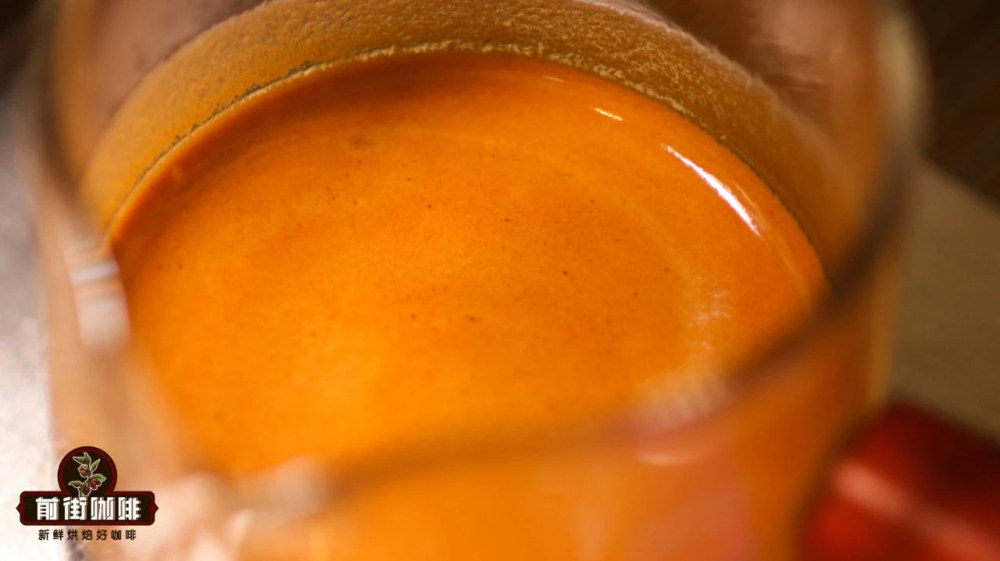
First, the freshness of coffee beans is crucial to crema formation. Crema is essentially formed by coffee oils wrapping around carbon dioxide bubbles, so freshly roasted coffee beans usually release more gas and thus form a richer crema layer. You can make a preliminary judgment of bean freshness by observing the amount and texture of the crema: the fuller and more persistent the crema, the fresher the beans usually are.
When buying coffee beans, be sure to choose products clearly marked with a roast date, not packaging that only lists a shelf life or expiration date. The closer the roast date, the better the beans' flavor and gas are usually preserved. In addition, once coffee beans are ground into powder, the surface area exposed to air increases greatly, and aroma and gas are quickly lost. Therefore, if you want the best extraction results, it is recommended to buy whole beans and grind them fresh before extraction.

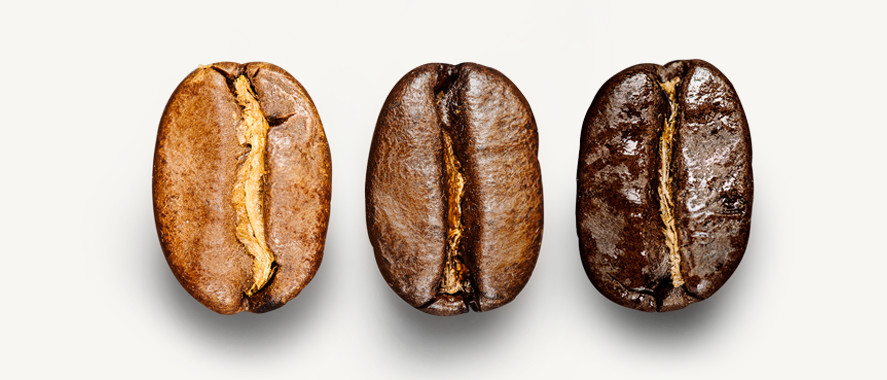
Second, roast level is also one of the key factors affecting crema. Generally speaking, dark-roasted coffee beans have a looser internal structure and have accumulated more gas and roasting aroma, so they can release more bubbles during extraction and form a thicker crema layer. These beans often carry rich flavors such as hazelnut, butter, chocolate, caramel, and cream, making them very suitable for making espresso.
For beginners just getting into espresso, choosing a medium-dark roasted blend is a relatively safe starting point. These beans are not only more balanced in flavor but also make it easier to stably produce ideal crema during extraction. Note that beans roasted too light generally have less gas and are usually difficult to use to form a full crema.
In addition to roast level, the variety of coffee beans also directly affects crema performance. The main coffee varieties today include Arabica and Robusta. Generally speaking, because of its higher caffeine content and harder bean structure, Robusta can release more gas during extraction, thereby forming a thicker and denser crema. By comparison, Arabica's crema is relatively thinner, but its flavor is fresher and more delicate.
If you are after an espresso with abundant crema and a rich roasted aroma, you might try a blend containing a small amount of Robusta. Such blends not only enhance the thickness of the crema but also provide a more solid mouthfeel base for milk coffee, making them especially suitable for coffee drinks that require dense milk foam, such as lattes or cappuccinos.
The pressure of the extraction equipment is also an important part of determining crema quality. Ideally, espresso extraction needs to be carried out at 9 bar of pressure, so that the oils and aromas in the coffee can be effectively pressed out to form a golden crema layer with depth. Professional espresso machines usually have this pressure condition, so they can extract high-quality crema relatively easily.
If you do not have a professional espresso machine at home, you can also consider using a moka pot as an alternative. Although a moka pot's pressure is only about 1.5 bar, far lower than a professional machine's 9 bar, if paired with freshly roasted beans at a moderate roast level, it can still form crema with a certain thickness to some extent. However, a moka pot relies more on precise control of water temperature and grind size, and operation requires more experience.
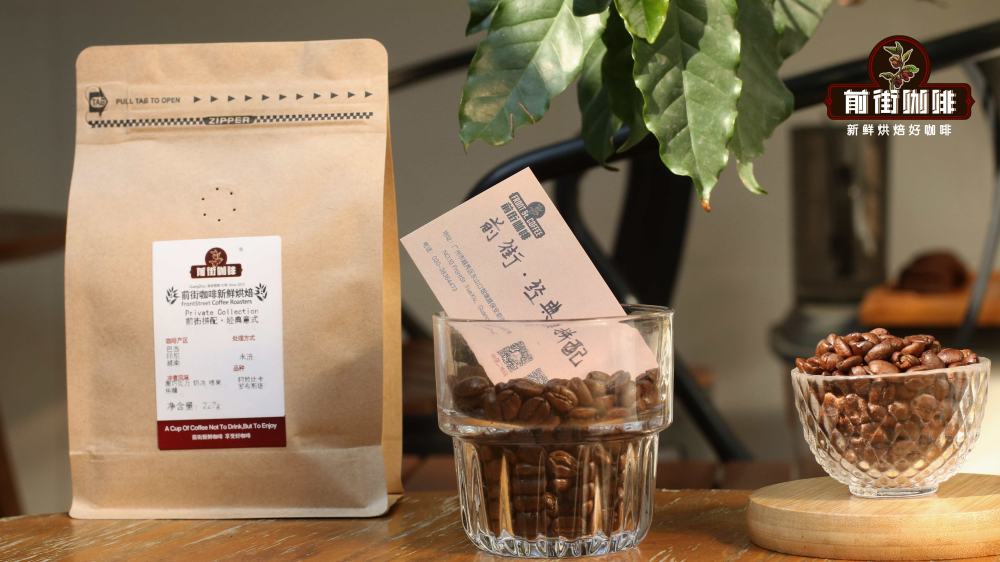
In summary, to extract espresso crema close to coffee shop quality at home, you need to manage several dimensions: ensure the coffee beans are fresh, choose a medium-dark roast level, try blends containing Robusta to increase crema thickness, and use extraction equipment with sufficient pressure. These factors complement one another and together determine the final crema performance.
Remember, although crema is an important indicator of espresso, it is not the only source of flavor. Truly good coffee also requires careful adjustment of grind size, water quality, water temperature, and extraction time to present a complete and balanced flavor performance. I hope this article provides practical guidance for your home coffee journey.