Indonesian Mandheling Coffee Flavor Guide: Pour-Over and Espresso
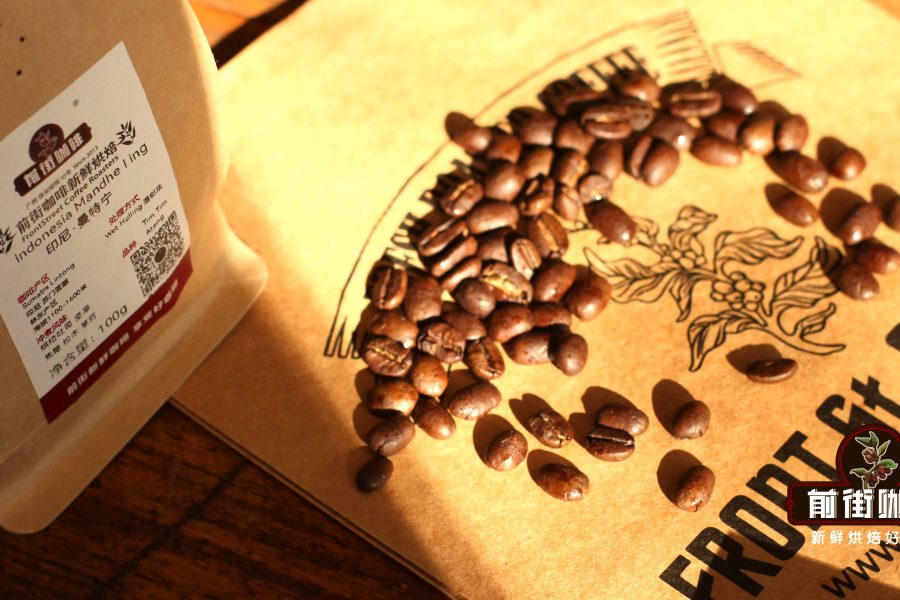
Introduction: Indonesian Mandheling coffee is known for its distinctive herbal and woody notes, making it especially suited to coffee lovers who enjoy a full-bodied mouthfeel. This article explains in detail the core flavor characteristics of Sumatra Mandheling, compares the differences between the traditional wet-hulled process and modern processing methods, and offers practical parameter suggestions for pour-over and espresso extraction, helping you better appreciate the layered appeal of this classic coffee bean.
Originating in Sumatra, Indonesia, Mandheling coffee has built its reputation over more than half a century, becoming a classic choice for coffee lovers thanks to its signature low acidity and heavy body. Its most recognizable camphorwood aroma and caramel sweetness often require a medium-dark roast to fully emerge, and this bitter-sweet balance is frequently likened by seasoned drinkers to the human experience of "bitterness first, sweetness after."
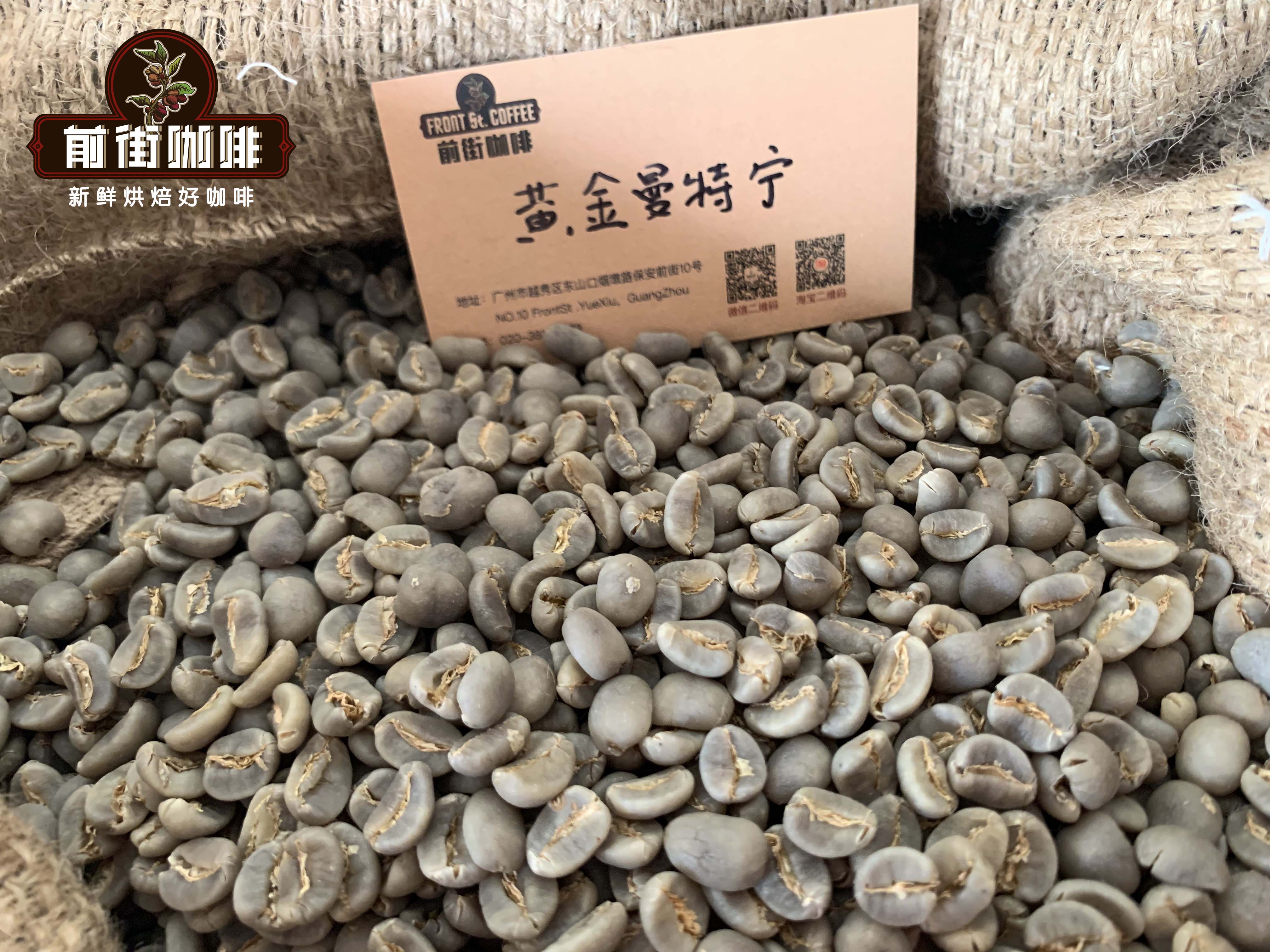
The core traditional Mandheling producing region is Lintong in northern Sumatra, where the distinctive wet-hulled process creates its unusual flavor structure. In this process, when the parchment shell is removed, controlled heat is generated by increasing friction between the green beans and the machinery. Although this accelerates dehydration of the bean, it unexpectedly gives the coffee a rich herbal aroma and earthy notes. The typical flavor spectrum includes a base of dark chocolate and roasted nuts, accompanied by a faint pine-needle freshness, with a lingering finish that often brings out a long, brown-sugar-like sweetness.
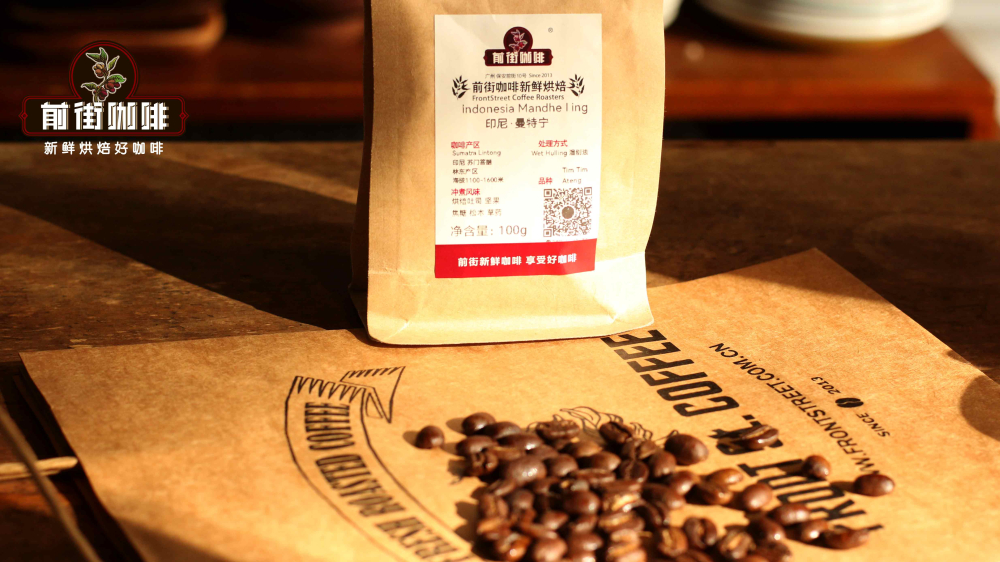
Looking at the coffee map of Sumatra, one finds that the Aceh region gradually rose after Arabica was introduced there in 1924. But the region that truly preserves the traditional flavor remains Lintong, where local farmers insist on using G1-grade green beans that have undergone three rounds of manual sorting, with the defect rate strictly controlled to within 3 beans per 300-gram sample. This strict standard, combined with three rounds of hand sorting, effectively removes underripe and damaged beans, ensuring a cleaner flavor in the final brew.
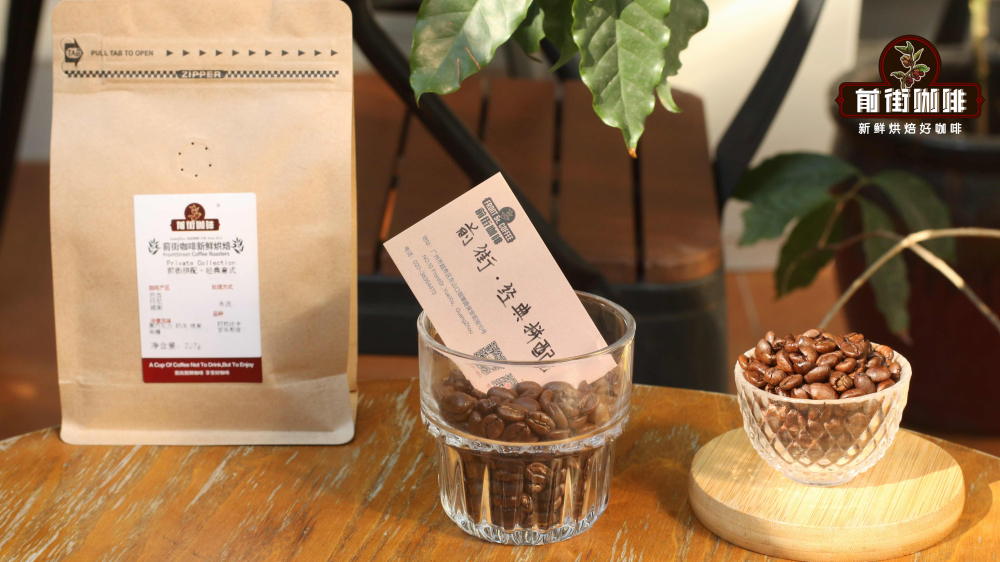
The uniqueness of the wet-hulled process lies in its hulling stage—when the green bean moisture content is around 30%, most of the parchment is forcibly stripped away. At this point the bean is still soft, and the heat generated by friction accelerates the Maillard reaction. The special flavors created by this process include pronounced woody notes and earthy fragrance, in sharp contrast to the bright fruity acidity of conventional washed processing. Professional roasters recommend a medium-dark roast for this type of bean (drop temperature around 203–210°C), which preserves the original flavor framework while developing a fuller caramelized aroma.
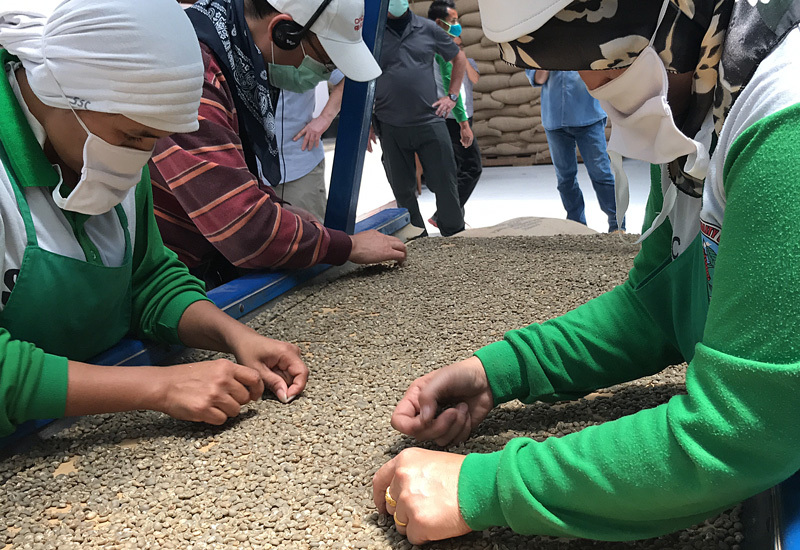
The top batches known as "Golden Mandheling" must meet the standards of screen size 18 or larger and a strict defect rate. In actual tasting, these beans in the medium-dark roast range (early second crack) display rich spice layers, including a cinnamon-like pungency and a slight black pepper tingle. The flavor evolves noticeably with temperature: at the hot-drinking stage above 90°C, roasted almond and cocoa powder notes stand out; as it cools to around 70°C, honey sweetness and herbal plant notes emerge. This dynamic flavor change is precisely why it is so highly regarded.

For home brewing, a V60 dripper is recommended (1:15 coffee-to-water ratio), with the first pour at 92–94°C. During staged extraction, note that the bloom water should not exceed twice the dose of coffee; then use a centered pour in circular motions, with a total extraction time of 2 minutes 30 seconds to 3 minutes. For espresso applications, a grind close to fine sugar granules is recommended (75% passing a No. 20 sieve), paired with 93°C water and 9 bar pressure, to produce an Espresso with a thick crema and a dark chocolate finish.
For blend applications, Mandheling often forms a classic combination with Brazilian beans. Adding 5–10% Robusta can enhance crema stability, making it especially suitable for Lattes that require a rich mouthfeel. Note that because wet-hulled beans are denser, the resting period is best extended to 14–21 days; during this time, store them sealed in one-way valve bags in a cool, dark place to effectively slow the decline in flavor.


