French Press Guide to Hualei Coffee: Ratio, Grind and Flavor
Introduction: The French press is one of the most convenient coffee tools for home use, and it is especially suited to brewing distinctive beans like Hualei. This article explains the French press's origins and principles, provides precise parameters—a 1:15 water-to-coffee ratio, a grind with 70% passing through a No. 20 sieve, and 90°C water—and shares a practical technique of extending the steep to 4 minutes, helping you avoid over-extracted bitterness and bring out full berry and cream flavors.
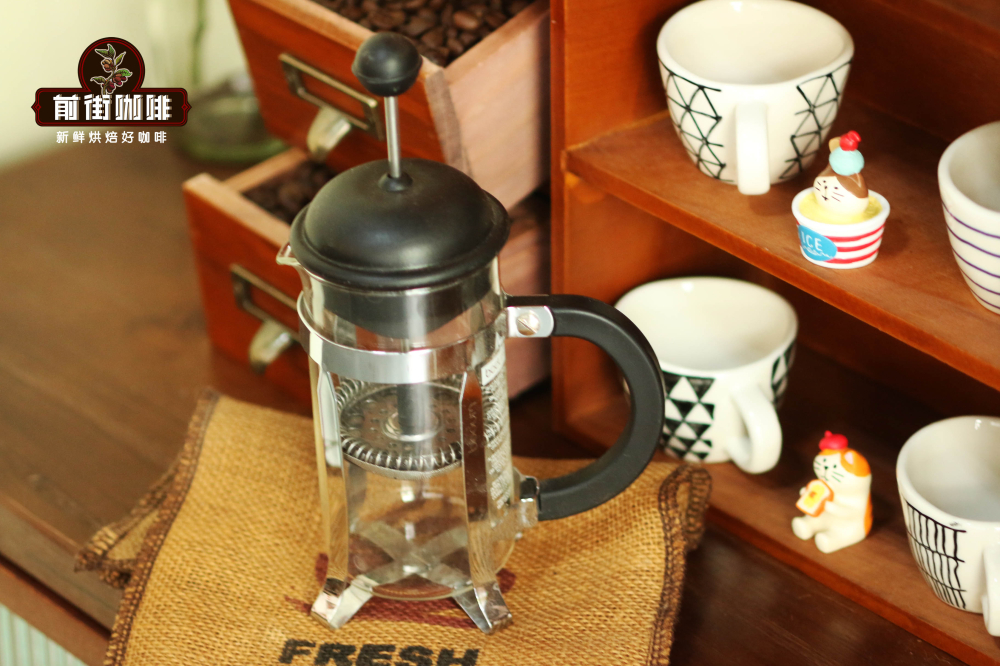
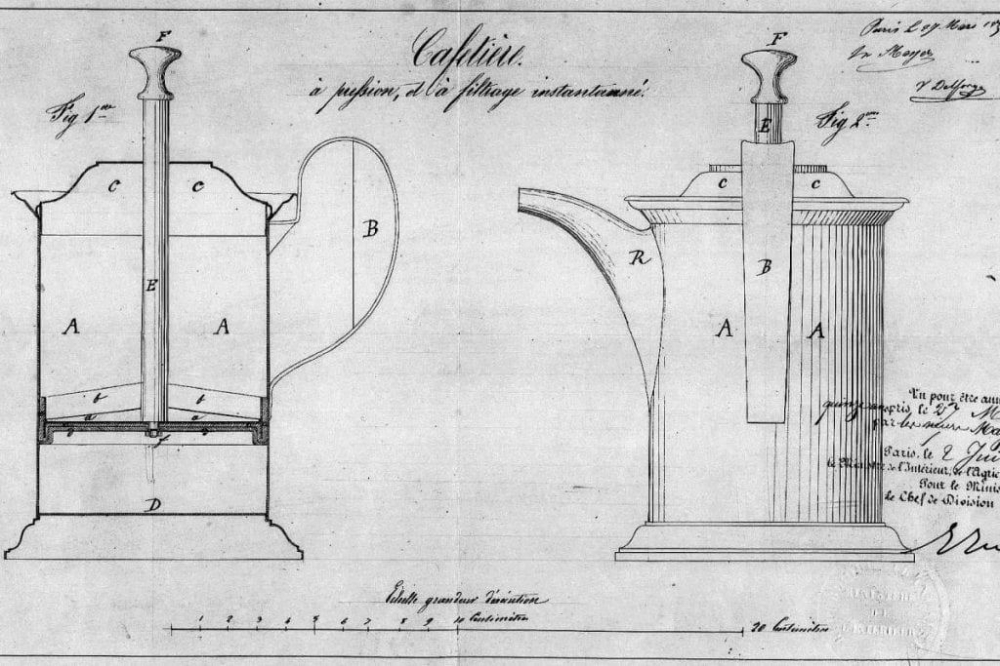
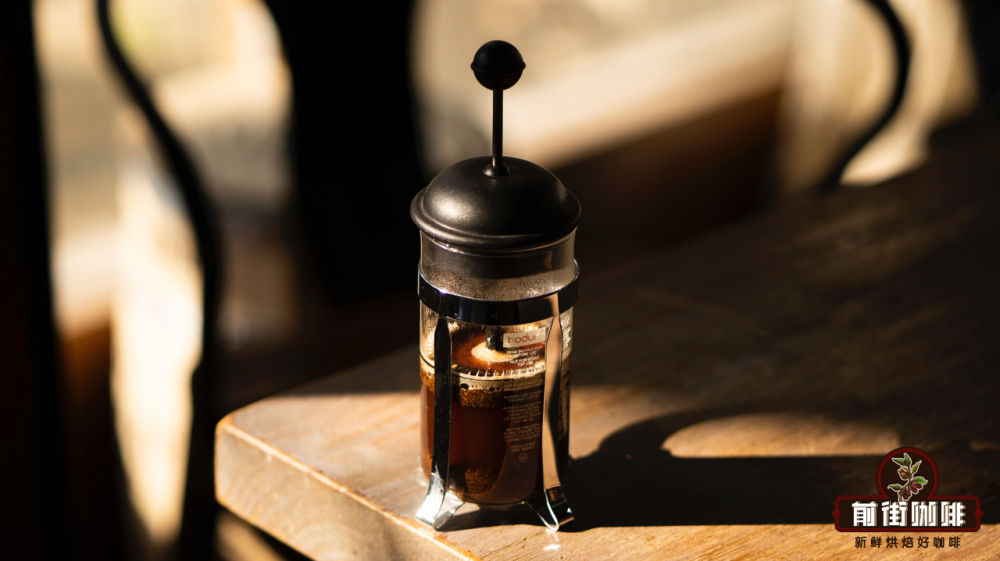 The French press was born in the 1850s, evolving from a patented piston-filter device developed by a craftsman in collaboration with a merchant. Its classic design uses a metal filter and an adjustable plunger to hold the coffee grounds at the bottom of the carafe, achieving simple and efficient extraction. After a late-20th-century patent improvement by a Milan company, this device—combining the look of a teapot with coffee functionality—gradually became widespread.
Early French presses were mostly used for brewing tea, and their coarse filter design made them better suited to large coffee particles. For coffee lovers who want convenience without sacrificing flavor, it is an ideal entry-level piece of professional equipment. Especially when you don't have an expensive coffee machine on hand, mastering French press brewing techniques lets you consistently present coffee's layered complexity.
 Take Ethiopian Hualei coffee beans as an example—a natural-process bean from the Buku Abel processing station in the Hambela sub-region of the Guji region, which won the 2017 TOH competition with its strawberry-cream profile. Its bright citrus and berry aromas, together with a mellow tea-like finish, allow the French press to perfectly showcase the characteristics of medium-light roasted beans.
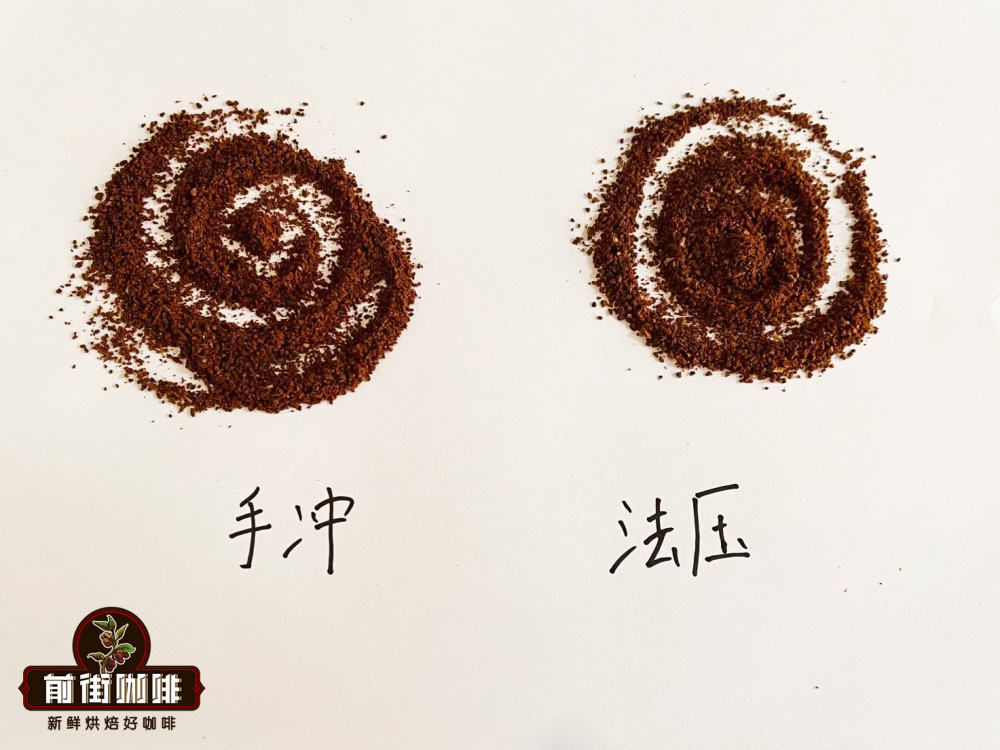
Key brewing parameters: 15 grams of grounds with 225 milliliters of 90°C hot water, maintaining the golden 1:15 ratio. The grind must be precisely controlled at a 70% pass rate through the Chinese standard No. 20 sieve (about the texture of coarse sugar), ensuring full extraction while avoiding the bitterness caused by fine particles.
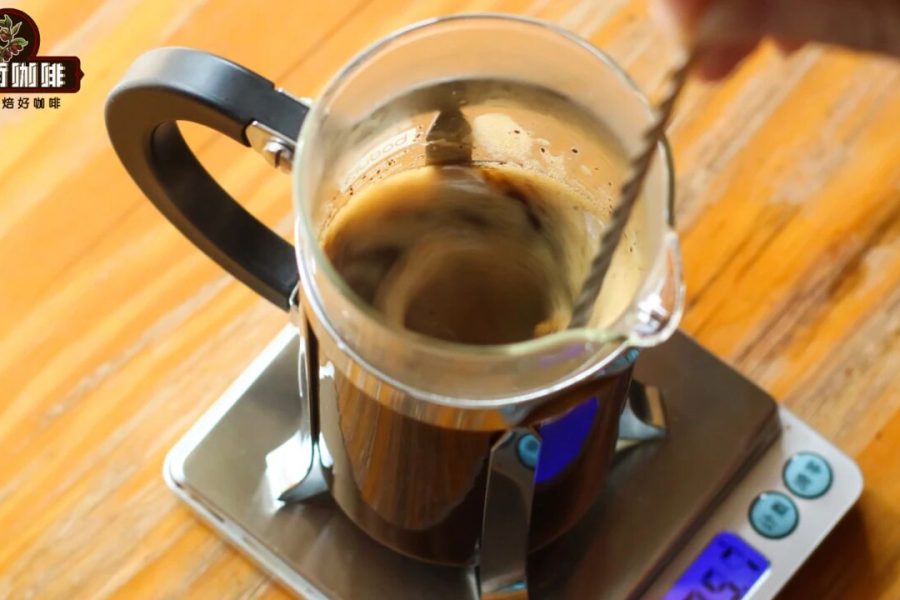
 Steps: first preheat the carafe with hot water and pour off the remaining water to ensure a stable temperature. After putting the coffee grounds into the carafe, pour in the hot water all at once and stir immediately until even. Raise the plunger to the top to seal, and steep strictly for 4 minutes—this is the key period for flavor balance.
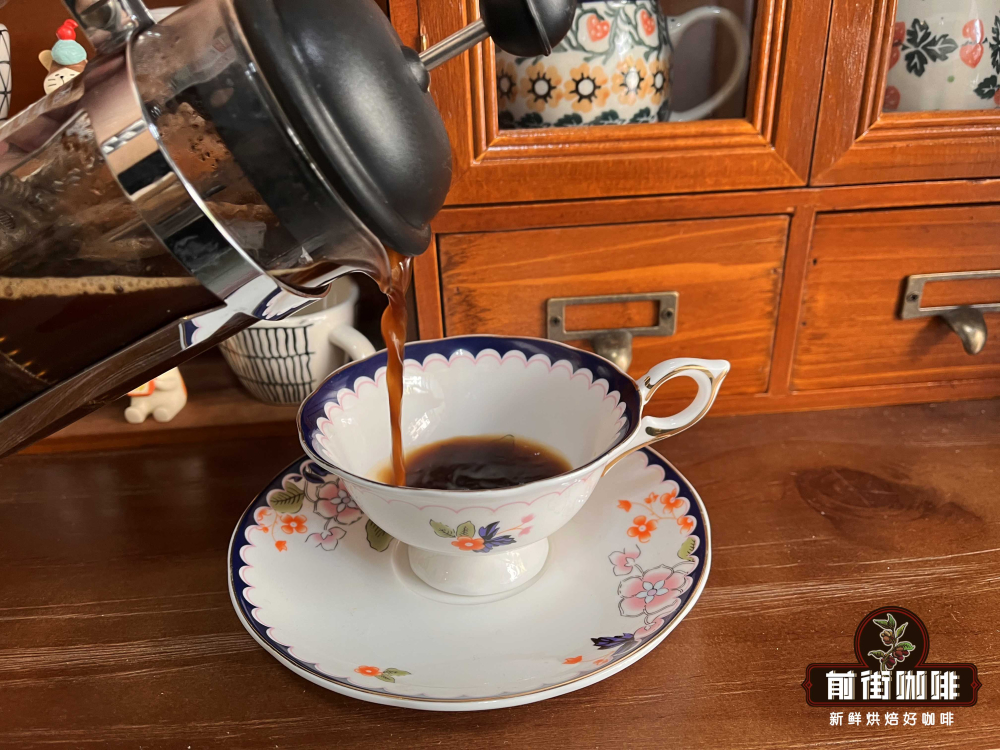
When time is up, press the filter down in two stages: first press gently to the one-quarter position to release pressure, then press steadily to the bottom of the carafe. Be careful to press vertically to avoid side leakage, and finally pour out the coffee quickly to prevent excessive extraction from residual heat. Compared with the three-pour method of pour-over (which usually requires 80% sieve fineness), the French press's long immersion characteristic calls for a coarser grind.
 Common pitfalls: using too fine a grind (such as an 80% pass rate) with high temperature and long immersion will cause a large release of tannic acid, producing obvious astringency; conversely, too coarse a grind (below 60%) will cause under-extraction and a thin, watery flavor. It is recommended to use a timer to precisely control the steeping time and keep water temperature fluctuations within ±2°C.
A successfully brewed Hualei coffee should present a distinct complex berry aroma, a creamy smooth mouthfeel on entry, and an elegant tea-like finish. By adjusting the water temperature (±5°C) and steeping time (±30 seconds), you can fine-tune flavor intensity—raising the temperature or extending the time suits users who prefer a richer mouthfeel.
 Equipment maintenance is equally important: after each use, thoroughly clean the filter to prevent oil residue from affecting subsequent brews. For long-term use, it is recommended to replace the filter every quarter to maintain the best filtering effect. For advanced enthusiasts pursuing flavor, try comparative tests with coffee beans from different origins; the French press clearly reflects differences in bean varieties and processing methods.
In summary, the core of mastering French press brewing lies in the balance of three elements: a precise coffee-to-water ratio, an appropriate grind coarseness, and strict control of time and temperature. This method applies not only to Hualei but also to most medium-light roasted specialty coffee beans, and is a practical foundational skill for home coffee enthusiasts.