Indonesian Tiger Mandheling Coffee Beans: Wet-Hulling Process and Flavor Explained

Introduction: Want to understand the unique charm of Indonesian Tiger Mandheling coffee beans? This article takes an in-depth look at its growing environment, wet-hulling process, variety characteristics, and roasting recommendations, guiding you from origin to cup for a complete understanding of this classic Mandheling, with pour-over extraction parameters to unlock a rich, full-bodied coffee experience.
Indonesia is one of the world's important coffee-producing regions. Its Aceh province in northern Sumatra, with high altitude and fertile volcanic soil, nurtures coffee beans with a distinctive flavor. Among them, "Tiger Mandheling" has become the entry-level choice for many coffee lovers thanks to its distinctive wet-hulling characteristics and full-bodied taste.

Origin background: Aceh province in northern Sumatra lies near the equator and has a tropical rainforest climate with high temperatures and abundant rain year-round. The area around Lake Tawar sits at an altitude of about 1,500 meters, and the volcanic soil is rich in minerals, providing ideal conditions for coffee growing. However, due to its remote location, local coffee cultivation started late—not until 1924—and to this day it remains dominated by smallholders: about 60,000 growers each manage 1–2 hectares of shade-grown plantations, using traditional organic methods without pesticides, producing coffee cherries with a pristine flavor.
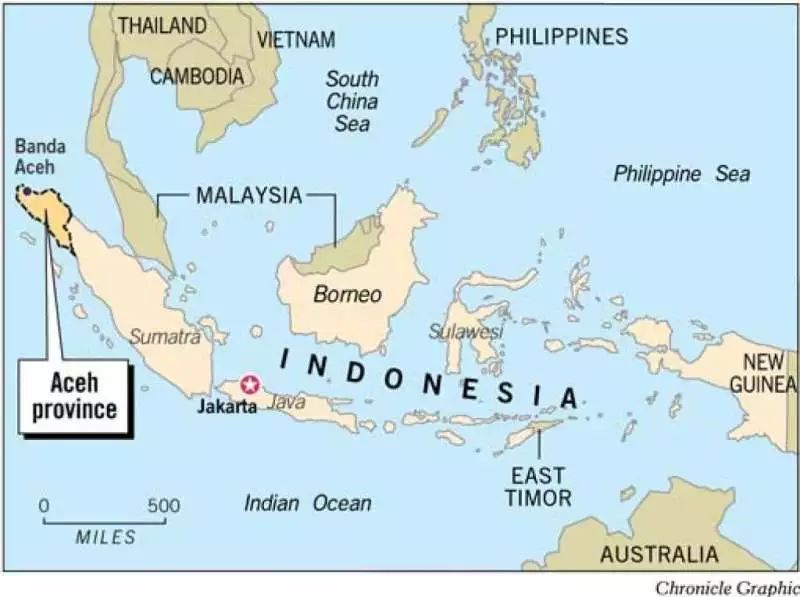
Coffee in Aceh is the region's second-largest export cash crop, but due to a complex supply chain, most coffee must be gathered through multiple layers of middlemen before export. The "single window" model of buying directly from farmers is relatively rare, which makes screening for high-quality bean sources all the more important.
Wet-hulling process: Indonesia's wet-hulling method (known locally as Giling Basah) is a distinctive processing method that differs from the conventional washed method and is the key to the heavy, aromatic body of Tiger Mandheling. Its core steps include: removing the skin and pulp while retaining the parchment and mucilage → fermenting in water tanks to remove mucilage → sun-drying with the parchment on to 20–24% moisture content → hulling off the semi-dry parchment → continuing to dry to 12–13% moisture content → ready for export.
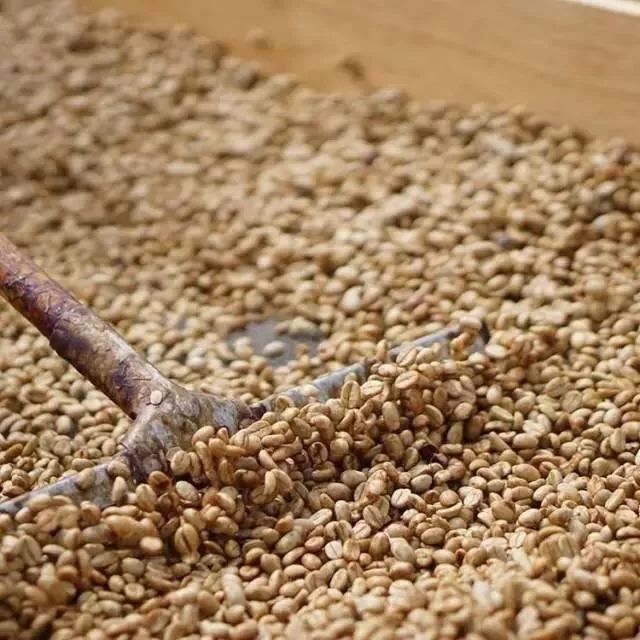
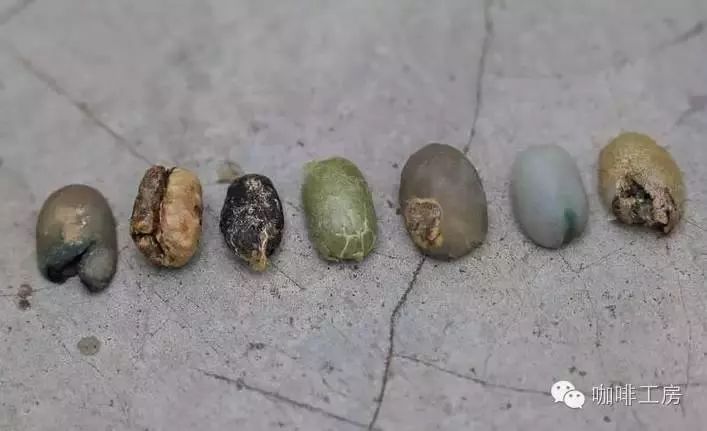
Why choose wet-hulling? First, Indonesia's average annual humidity is 70–90%, and some areas receive over 2,000 mm of rainfall per year. Drying green beans with the parchment on for a long time makes them prone to mold, whereas hulling off the parchment early and accelerating sun-drying (2–3 times faster than the washed method) effectively reduces risk and concentrates flavor. Second, in the 17th century, Dutch colonizers, seeking efficient profits, pushed for ways to shorten the processing cycle and reduce labor costs—wet-hulling met exactly those needs. In addition, beans are fragile in the semi-dry state, and hulling easily produces defects such as "goat's foot beans" (kuku kambing). Although these require manual sorting through DP (second pass) and TP (third pass), the process also gives Mandheling its unique body and complexity.
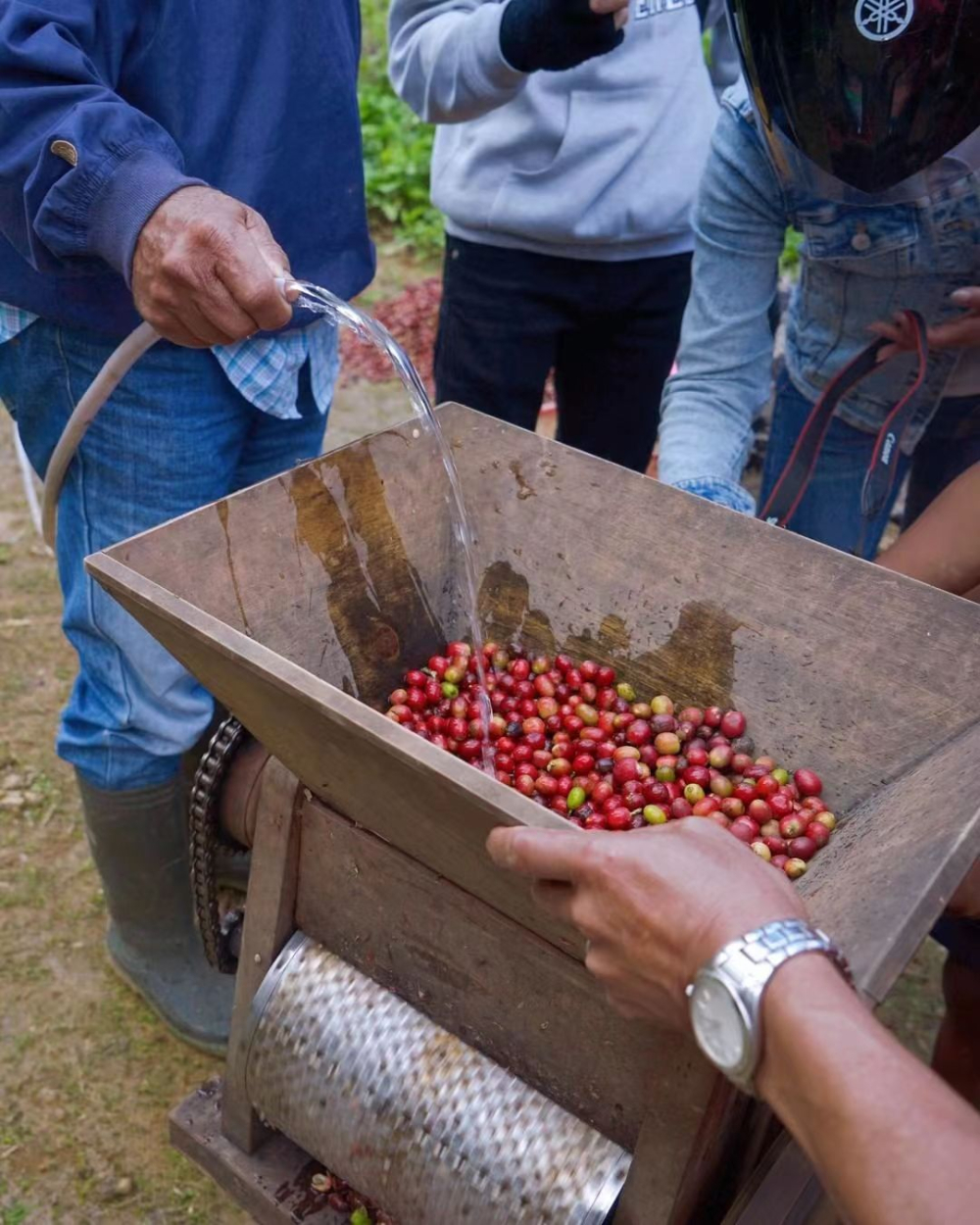
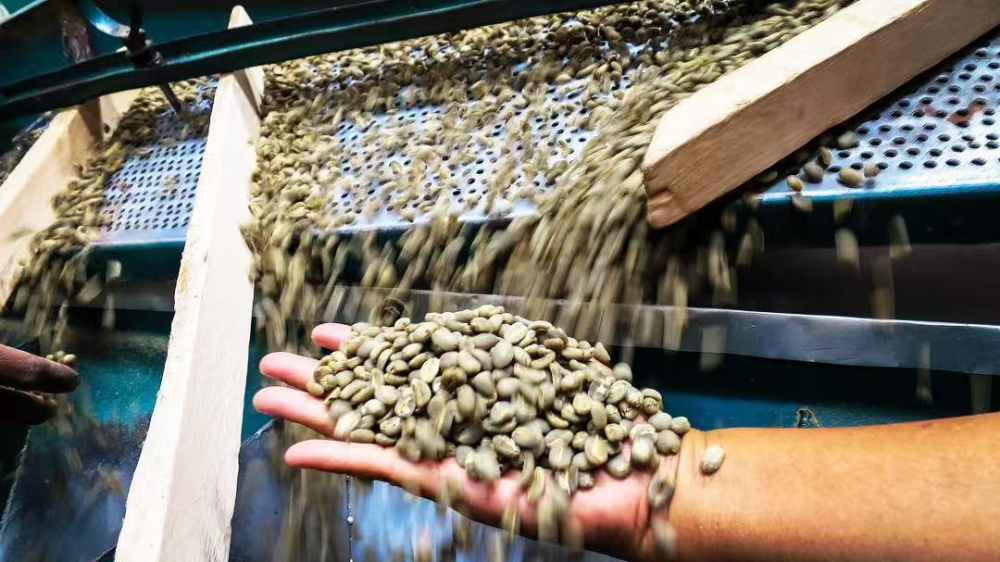
Varieties and green bean characteristics: Tiger Mandheling mainly uses three varieties: Caturra, Typica, and Sidikalong. Caturra has a fresh flavor with lemon/citrus acidity; its sweetness depends on fertilization management; the tree is short with many branches but requires constant care and has limited yield. Typica is the variety closest to the original Arabica species, with an elongated, egg-like bean shape, clean and bright acidity, and a sweet aftertaste, but it has weak resistance to leaf rust and low yield (harvested once every two years). Sidikalong, as a local specialty variety, further enriches the layers of the overall flavor.
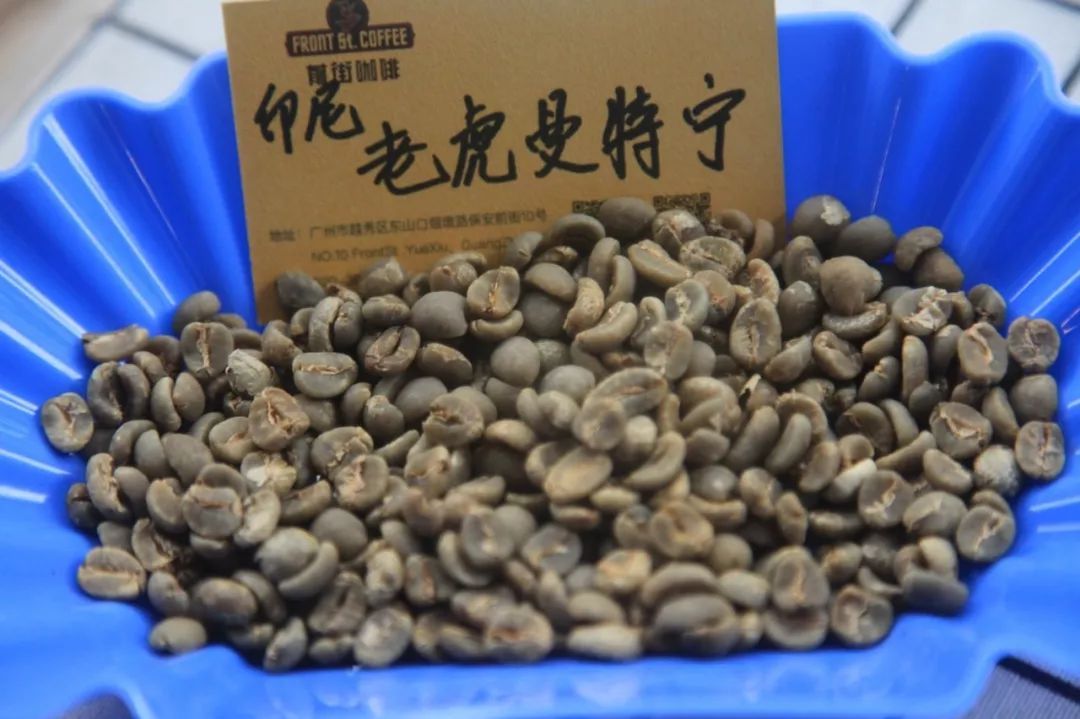
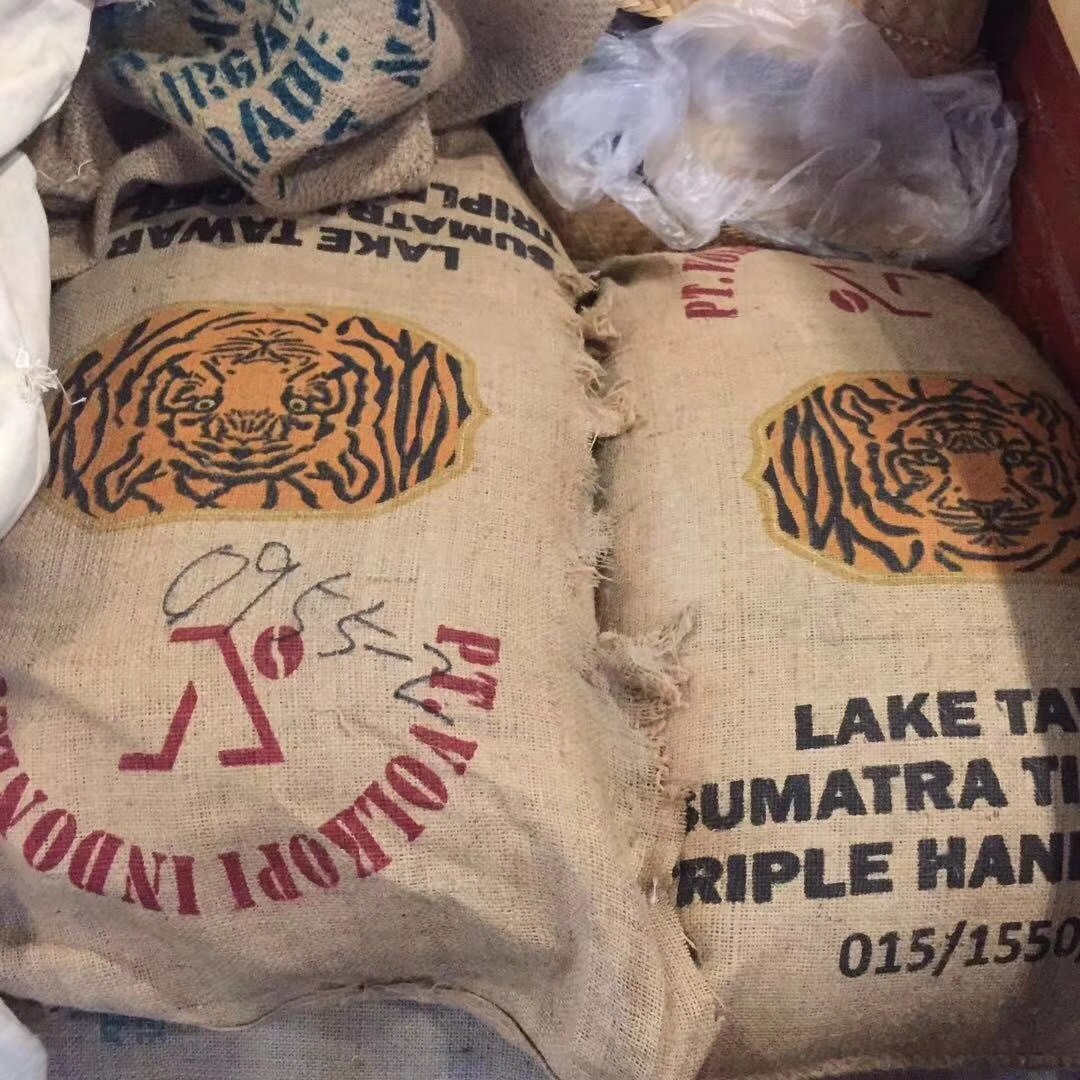
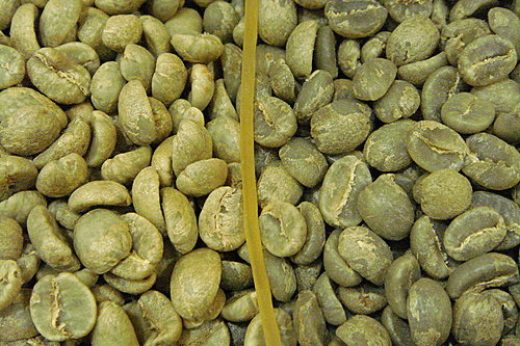
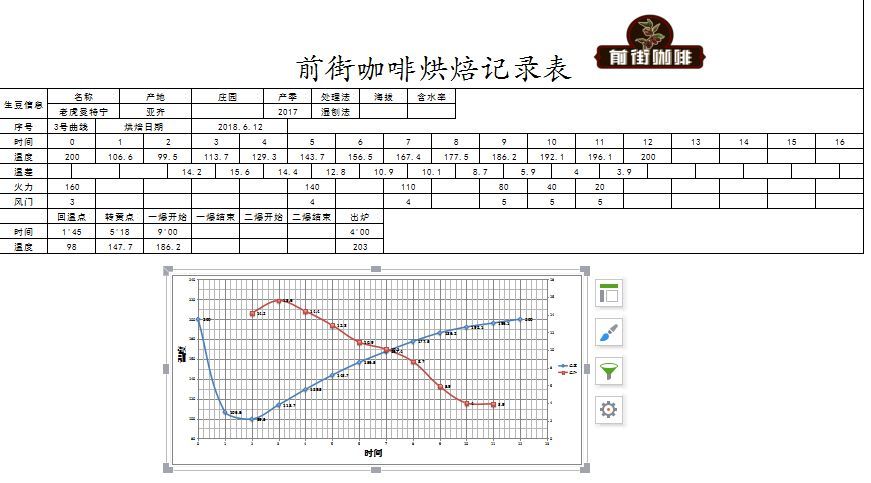
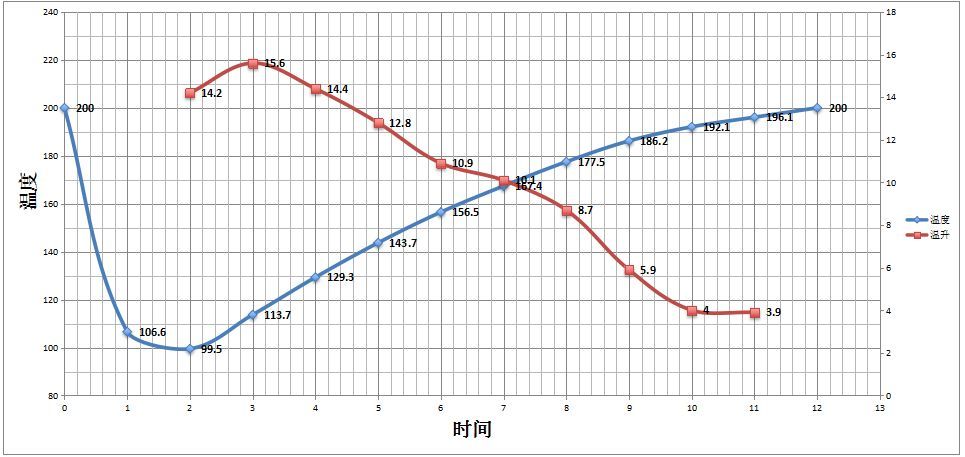
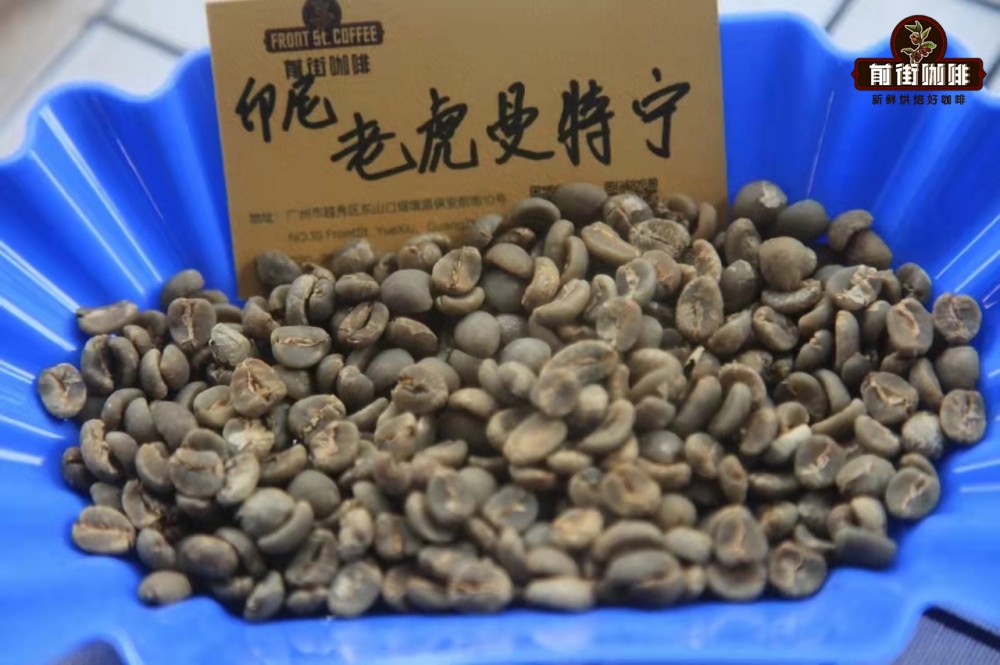
Roasting recommendations: Tiger Mandheling green beans are round and plump, green with a yellow tinge, with good uniformity but relatively high moisture content, making them suitable for a medium-dark roast to balance acidity and enhance body. In practice, a "lengthened dehydration + reduced heat gliding" strategy can be used: initial charge temperature 200°C with high heat; reduce the heat during the dehydration phase to avoid scorching the bean surface; refine heat control before first crack; and finally drop the beans about 4 minutes after the end of first crack and about 20 seconds before second crack (around 203°C), extending the caramelization reaction to highlight cleanliness and sweetness. A Yangjia 600g semi-direct-fire roaster is recommended, using precise temperature control and airflow adjustment (e.g., airflow at 3 at the turning point of 1'45'', adjusted to 4–5 during the dehydration phase) to achieve the ideal flavor presentation.
The roasted beans have a balanced taste and high cleanliness, with typical flavors including cream, dark chocolate, and nuts, and a full, layered finish.
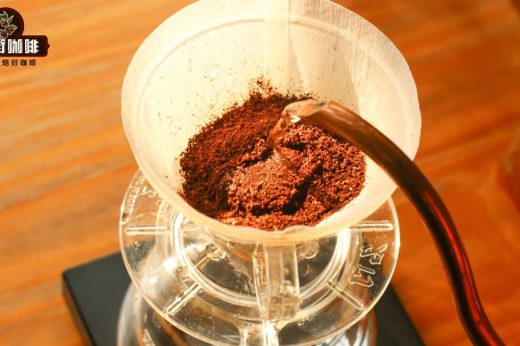
Brewing parameters reference: Use a KONO dripper with a 1:14 water-to-coffee ratio (e.g., 26 grams of beans to 364 milliliters of water), grind size adjusted to coarse sugar level (70% passing through a Chinese No. 20 sieve), and water temperature controlled at 86°C. Method: first pour 26 grams of water for a 30-second bloom, then pour in a small stream to 118 grams in stages, then gradually increase the stream to 210 grams, for a total time of about 2 minutes. With these parameters, sweetness is prominent (★★★), acidity is very low (★), and bitterness is moderate (★★★), suitable for drinkers who prefer a full-bodied, low-acid profile.
From the misty high mountains of Aceh to the rich aroma in the cup, Tiger Mandheling not only carries the distinctive craft of Indonesian coffee but also expresses the charm of wet-hulling in a single full-bodied cup. Whether you are a beginner exploring or a seasoned enthusiast tasting, this bean deserves a place on your coffee list.