Rwanda Ngororero Bourbon Coffee: Flavor Profile and Growing Story
Introduction: Explore in depth the Bourbon coffee beans produced in Rwanda's Ngororero region, from the high-altitude growing environment of 1800-2000 meters to the distinctive wet-processing method, and analyze their bright citric acidity and winey notes. This article details the variety characteristics, regional terroir and brewing performance of this specialty coffee, helping coffee lovers more precisely select and taste distinctive African beans.
Rwanda, known as the "Land of a Thousand Hills," has become an important producing region for specialty Arabica coffee worldwide thanks to its exceptional altitude range (1200-2000 meters), volcanic soils and mild climate. Among them, the coffee plantations of the Ngororero district in Western Province, with their high-altitude environment of 1800-2000 meters MASL, produce high-quality beans that combine balance and brightness.
The coffee introduced here comes from a washing station in the Ngororero area (a common local primary processing center) and uses the traditional washed fermentation + raised-bed drying process. Its core variety is Bourbon, an ancient Arabica branch originating in Yemen, known for high sweetness and complex aromatics. In Rwanda's high-altitude environment, Bourbon beans have a longer growth cycle and more fully accumulate sugars in the fruit, ultimately presenting citric acidity, a mellow red-wine-like finish and distinctive spicy notes.
The flavor profile of coffee from this region is clearly recognizable: the entry has soft citrus acidity (similar to lemon peel), the mid-palate reveals honey and caramel sweetness, and the aftertaste blends faint peppery spice with red berry notes. Compared with neighboring Kenyan coffee, Rwandan beans are gentler and more refined, while compared with Zimbabwean producing regions, their acidity is more lively and their finish longer.
Rwanda's coffee industry began in 1904, when German missionaries introduced the first coffee seedlings. After a century of development, the country now has about 450,000 smallholder households (with an average plot of less than 1 hectare) and a total planted area of 28,000 hectares. These micro-farms mostly operate on a cooperative model, with fresh cherries delivered centrally to community-level washing stations for processing—this centralized processing significantly improves quality consistency.
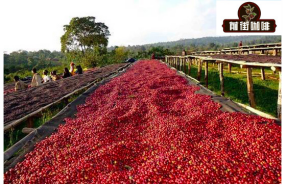
It is worth noting that advances in Rwandan coffee processing technology directly affect flavor expression. Modern processing plants are generally equipped with temperature-controlled fermentation tanks and shaded drying racks, and through precise management of fermentation time (usually 24-36 hours) and drying rate (daily moisture loss not exceeding 12%), they effectively enhance fruit aroma layers and reduce the risk of defects. The typical processing flow in the Ngororero area includes: manual selection of ripe cherries → pulping and fermentation for 18-24 hours → rinsing with clean water → layered drying on bamboo racks (thickness ≤5 cm).
From a brewing application perspective, this bean suits a variety of extraction methods: for pour-over, use 90-93°C water with a medium-fine grind (75% passing a Chinese standard No. 20 sieve), and use a staged pouring method to highlight the citrus notes; for espresso extraction, a medium-dark roast (around Agtron #55) is recommended, which balances acidity and bitterness and releases a base of dark chocolate and nuts. Special note: with light roasts, pay attention to controlling development time to avoid overly sharp acidity that disrupts overall harmony.
Despite possessing high-quality producing resources, Rwandan coffee was long constrained by logistics bottlenecks—the traditional transport route required transshipment through Uganda to Kenya, and the long supply chain easily led to flavor deterioration. In recent years, with the upgrade of cargo capacity at Kigali International Airport and the signing of direct trade agreements with the EU, more and more estates have begun supplying international buyers directly through Specialty Coffee Association (SCA)-certified channels, which is of key significance for maintaining green bean freshness and flavor integrity.