Rwanda Coffee Beans: Flavor Profile and Growing Regions Guide
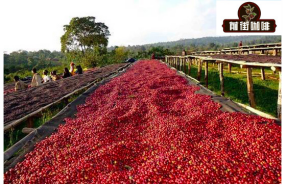
Introduction: Rwandan coffee is renowned for its distinctive washed process and Bourbon variety, grown in premium regions at altitudes of 1,700–2,000 meters. This article will guide you through the coffee-growing history of this Central African country, its geographical advantages, and the flavor differences between the southern and western regions, helping you better select and appreciate Rwandan coffee beans.
Rwanda is located in east-central Africa, and its coffee-growing history dates back to the early 20th century. At that time, German missionaries introduced coffee to this land, opening the country's coffee cultivation chapter. During the colonial period, although coffee production was considerable, international market prices were suppressed and local growers suffered unfair treatment, preventing the overall quality of the beans from being fully realized.
Today, Rwanda's coffee mainly comes from the southern and western regions, where planting altitudes generally range from 1,700 to 2,000 meters. The high-altitude environment gives the beans a longer growing cycle, which favors the accumulation of flavor compounds. Notably, beans from the southern region often have distinct floral notes accompanied by fresh citrus flavors, suitable for coffee lovers who enjoy bright acidity; while coffee from the western region shows fuller body and complexity, with complex and lasting aromas, often featuring caramel and nutty aftertastes.
Although Rwanda is a relatively small country and altitude differences between regions are limited, careful cultivation management and processing techniques still allow each area to produce coffees with distinct characteristics. Traditionally, most of the country's coffee is washed, a process that effectively removes fruit residue while preserving the bean's true flavors to the greatest extent. During washing, coffee cherries are carefully sorted, depulped, fermented, and rinsed multiple times, then finally dried in the sun or in mechanical dryers.
In terms of variety, Bourbon is the mainstay of Rwandan coffee cultivation. This classic Arabica variety is known for its stable performance and elegant flavors, and with careful cultivation, it can demonstrate excellent quality at high altitudes. Mature Bourbon beans not only inherit the variety's inherent balance but also develop a unique regional character under Rwanda's distinctive microclimates.
When tasting Rwandan coffee, you will usually find it combines several pleasant flavor elements. Fruity sweetness and moderate acidity form its base, while delicate nutty flavors add depth to the overall mouthfeel. Whether used for pour-over or espresso, this coffee presents a clean and bright character, making it ideal for consumers seeking a refined flavor experience.
For enthusiasts who want to deepen their understanding of Rwandan coffee, observing the appearance of the beans is also important. High-quality Rwandan beans are usually plump and uniform, with a dark green or blue-green color, often a sign of high-altitude cultivation and good processing. In terms of roast level, a medium roast can better balance its sweet-acid ratio, while a light roast better highlights its floral and fruity aromas.
Overall, Rwandan coffee represents an outstanding level of African specialty coffee. By gaining a comprehensive understanding of its regional characteristics, processing methods, and flavor expression, you can not only improve your tasting skills but also make more informed purchasing decisions. Next time you encounter coffee from this East African country, take the time to savor its unique charm.