Rwanda Coffee Flavor Guide: Washed Processing and Pour-Over Parameters
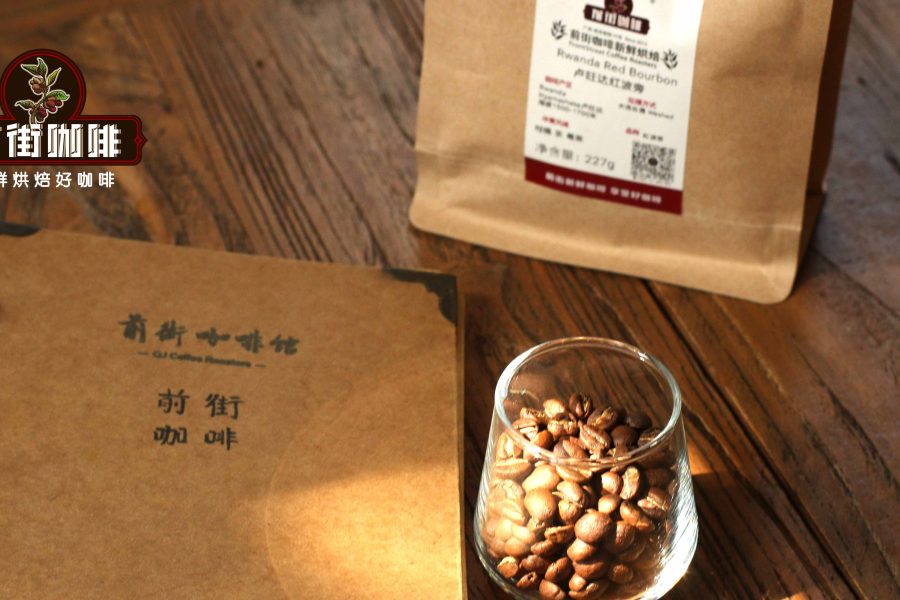
Introduction: Explore the unique charm of Rwanda, Africa's rising coffee star. This article takes an in-depth look at Rwanda's coffee growing environment, regional characteristics, and flavor profiles, with a focus on its signature washed processing method, and offers professional-grade pour-over parameter recommendations. From volcanic soil at 1,700 meters to bright citrus notes, this gives you a comprehensive understanding of this specialty coffee region known as the 'Land of a Thousand Hills.'
When people talk about African specialty coffee, Kenya's bright fruit acidity often comes up, but Rwanda, also in East Africa, presents a completely different flavor picture.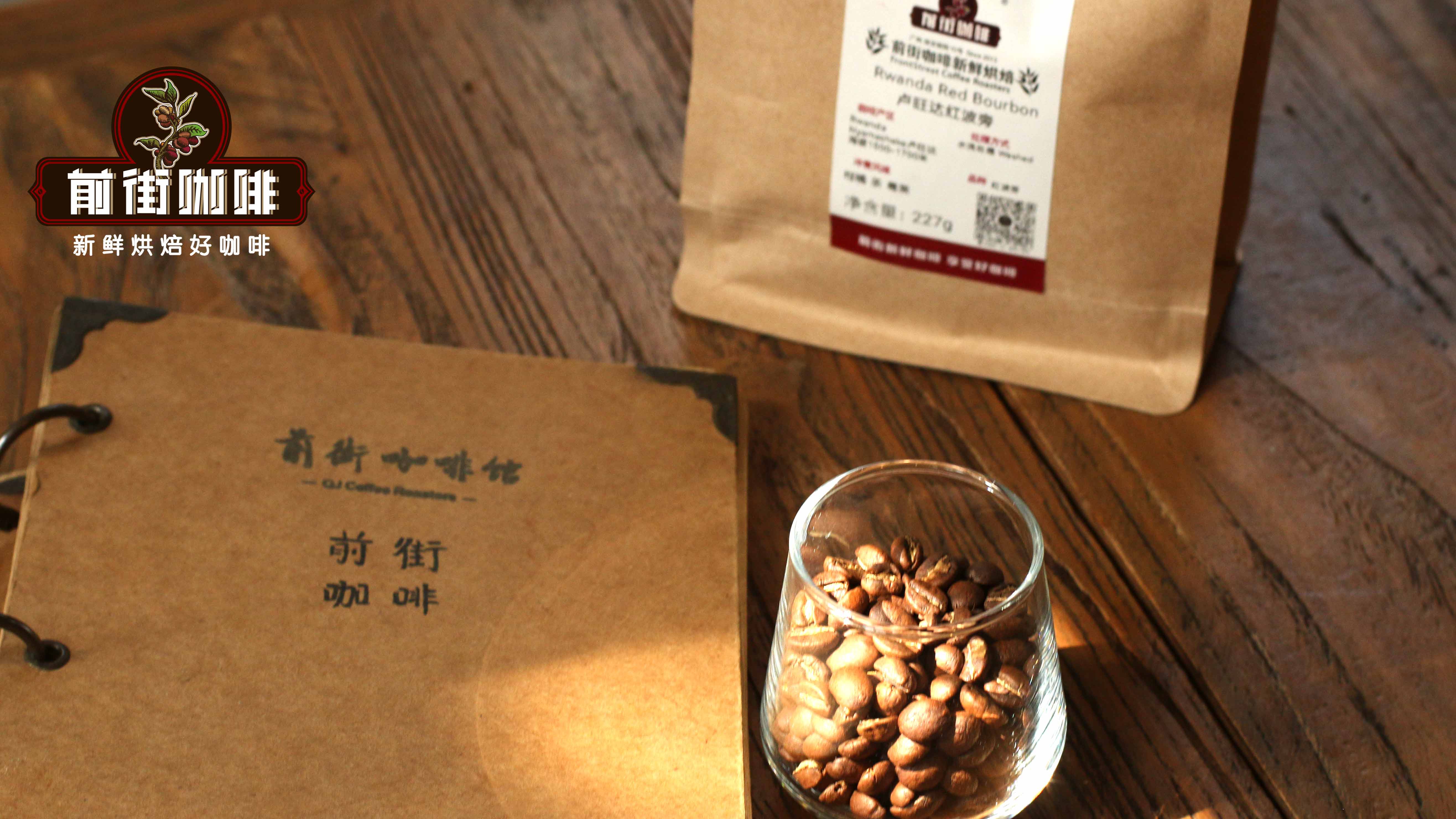 This country, known as the 'Land of a Thousand Hills,' is celebrated for its coffee's elegant balance—bright fruity sweetness, delicate floral aromas, and a black-tea-like finish together create a distinctive taste experience.
Rwanda has exceptional conditions for growing coffee: high altitudes of 1,700–2,000 meters, fertile volcanic soil, abundant sunshine, and suitable temperature swings. These natural advantages produce coffee beans with fine acidity and rich layers.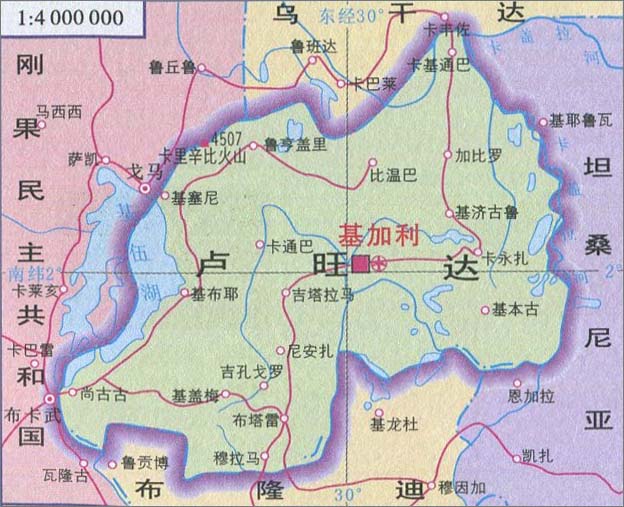 It is worth noting that the country's coffee production is dominated by smallholder farming, with typical farm sizes of just 0.1–0.2 hectares, far smaller than the large-scale cultivation in coffee powers such as Brazil.
Specialty Rwandan coffee comes mainly from the Huye highlands in the south and the Nyamasheke region in the west.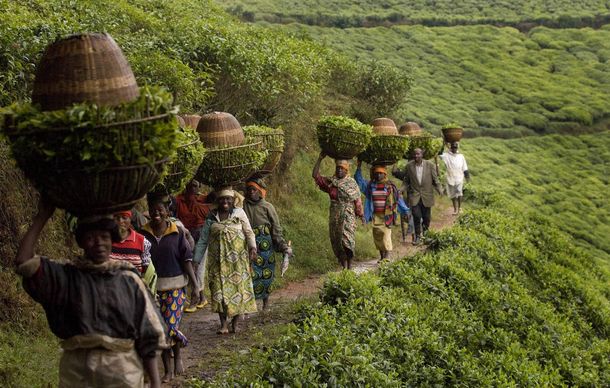 The southern region, thanks to its altitude advantage, often carries citrus flavors, while coffee from the shores of Lake Kivu in the west is known for its full-bodied fruity pulpiness. Although differences between regions are subtle, trained professional cuppers can still identify their unique character.
Rwanda's coffee industry has gone through a winding development: production patterns left over from the colonial period once led to inconsistent quality, until it gradually revived after 1995 with international aid.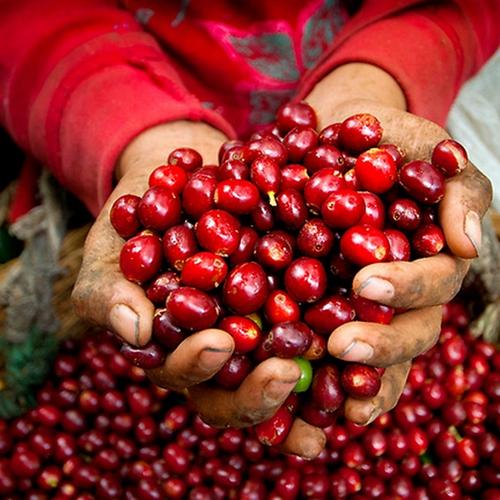 But in recent years the pandemic again dealt a blow to exports. More than 90% of the country's plantings are the Bourbon variety, a coffee tree originating from Réunion Island known for its stable disease resistance and elegant flavor.
Processing was once a weak point for Rwandan coffee—in the early days, weak infrastructure led to fermentation defects in the fruit. After 2000, 46 washed processing stations built with funding from the United States Agency for International Development completely changed the situation.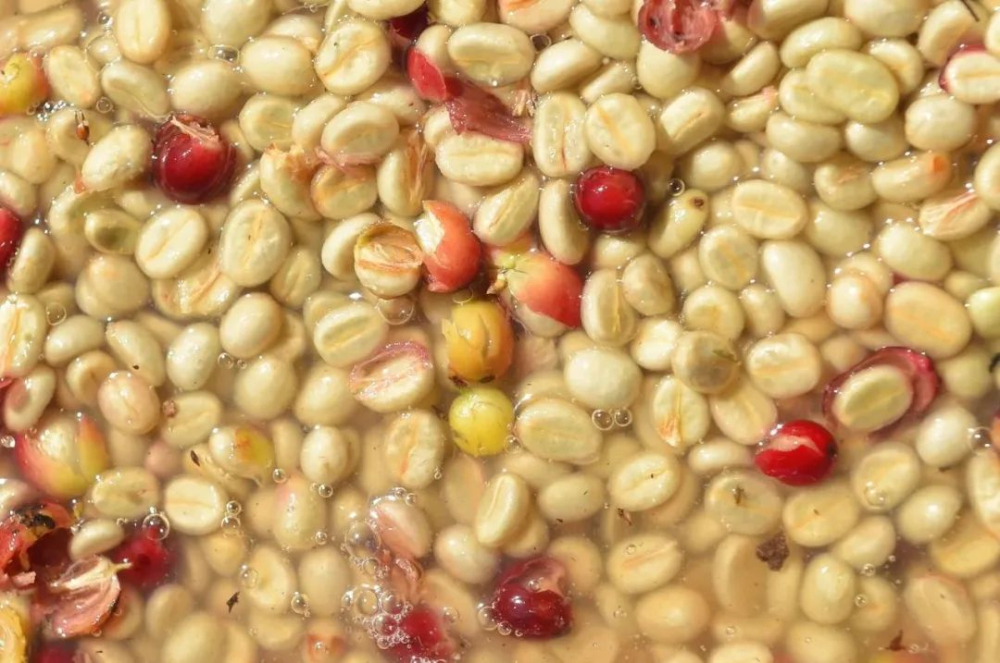 Today the standard washed process includes: hand-sorting ripe cherries → 12–18 hours of temperature-controlled fermentation → thorough removal of mucilage → drying to below 14% moisture content. This process perfectly brings out the coffee's pure flavor.
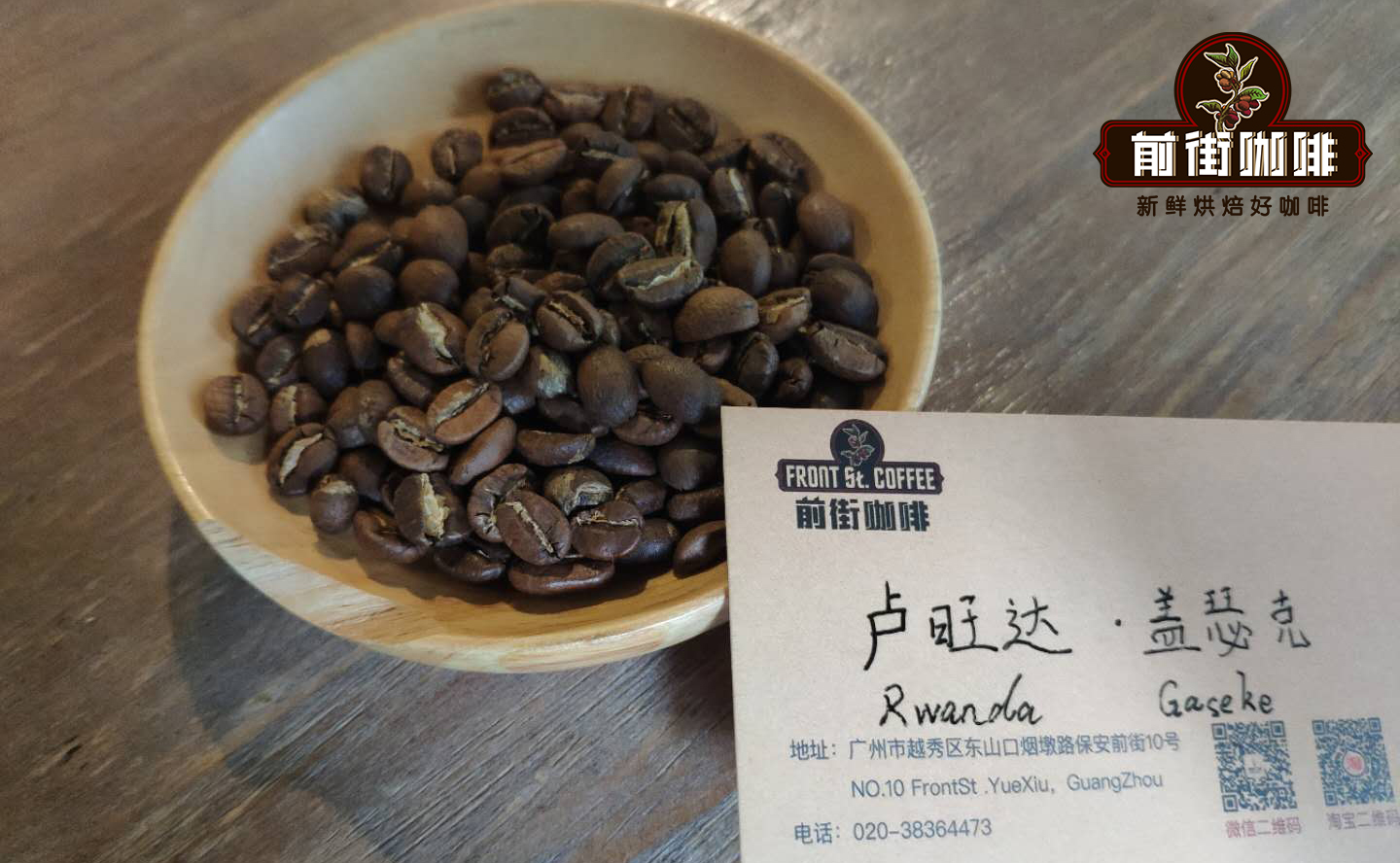 Take the Gathesk processing station in the Nyamasheke region as an example: its operator, Fidele Ndagijmana, through equipment upgrades and scientific management, has reached an annual processing volume of 170 tons. The station grows a mix of Bourbon, Caturra, and other varieties, and coffee grown at 1,700–2,000 meters shows excellent cleanliness and sweetness.
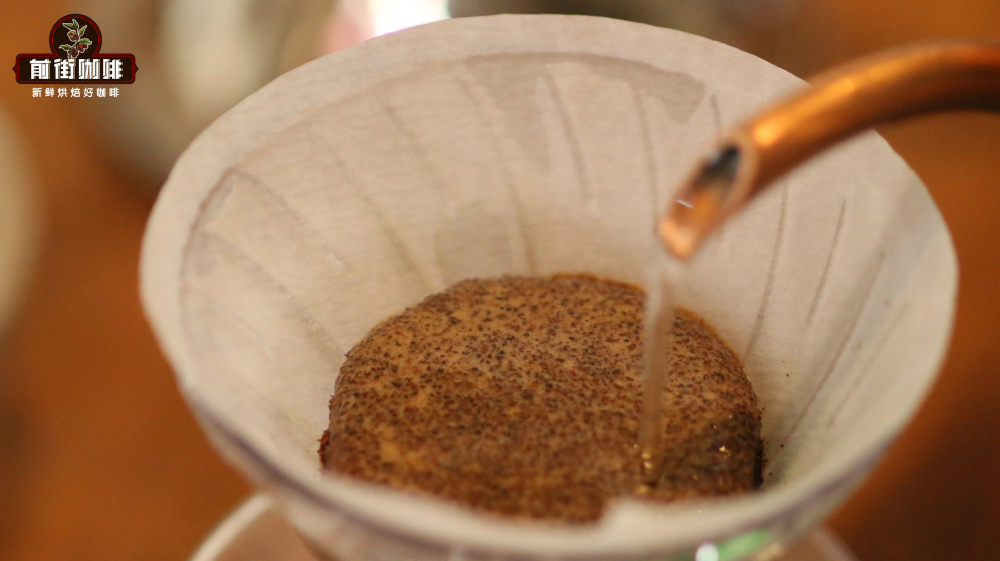
Given the characteristics of Rwandan coffee, a medium-light roast is recommended to preserve its delicate acidity.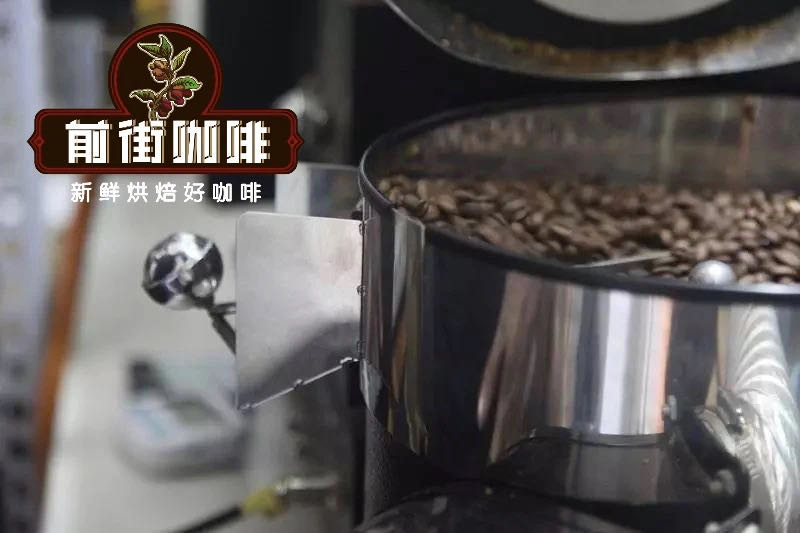 Specific roasting parameters: charge the drum at 175°C, bean surface turns yellow at 151°C, and drop at around 190°C during first-crack development. Pour-over recipe: V60 dripper with 90°C water, 1:15 coffee-to-water ratio, EK43s grinder at #10 setting (about 80% passing rate), bloom with 30 grams of water for 30 seconds, then extract in stages for 2 minutes.
The resulting flavor profile is impressive: citrus sweetness leads the top notes, accompanied by berry and apple acidity; honey sweetness emerges in the middle, and the finish carries almond and chocolate notes.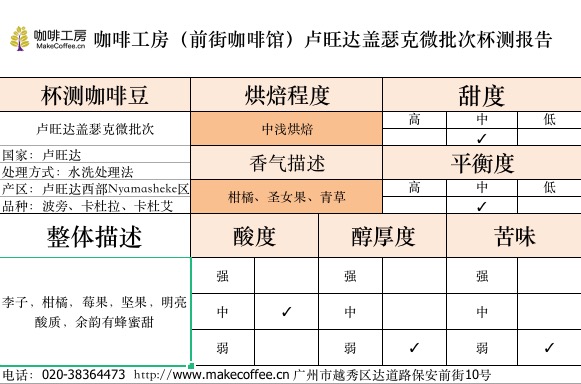
 This balanced, elegant quality is precisely the core competitiveness that sets Rwandan coffee apart from other African regions.