Pour-Over Coffee for Beginners: Three Core Elements of Filter Extraction and a 15g Coffee-to-Water Guide
Introduction: Mastering filter-style pour-over coffee hinges on understanding the interplay of water temperature control, water flow regulation and bloom timing. This article explains the operating logic of the three foundational elements, analyzes the structural advantages of the V60 dripper, and offers scientific water-volume recommendations for 15 grams of coffee grounds. Through precise extraction parameters (such as 200 milliliters total water and a 1-minute-40-second brew time) and staged pouring techniques, it helps beginners brew coffee with rich layers and stable taste, while also answering the relationship between coffee bed wall thickness and coffee body.
The success of filter-style pour-over coffee depends on three core control points: water temperature management, water column shape control and bloom-stage handling. These three elements directly affect the uniformity of extraction and the efficiency of flavor release; once you grasp the knack, even beginners can consistently brew quality coffee.
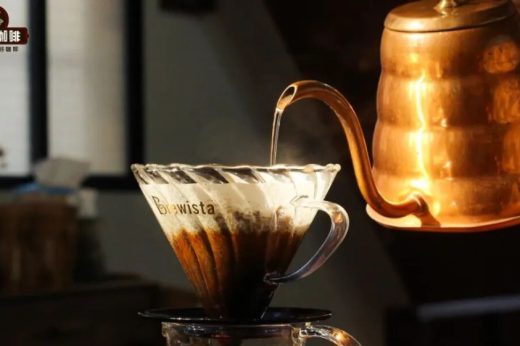
A conical dripper (such as the common V60 model) is recommended; its deep funnel structure effectively guides water through the coffee bed, and the spiral ridge design on the inner wall maintains air circulation between the filter paper and the dripper, encouraging the grounds to expand fully during the bloom. Of particular note, the large single-hole design allows extraction rhythm to be flexibly controlled by adjusting pouring speed.
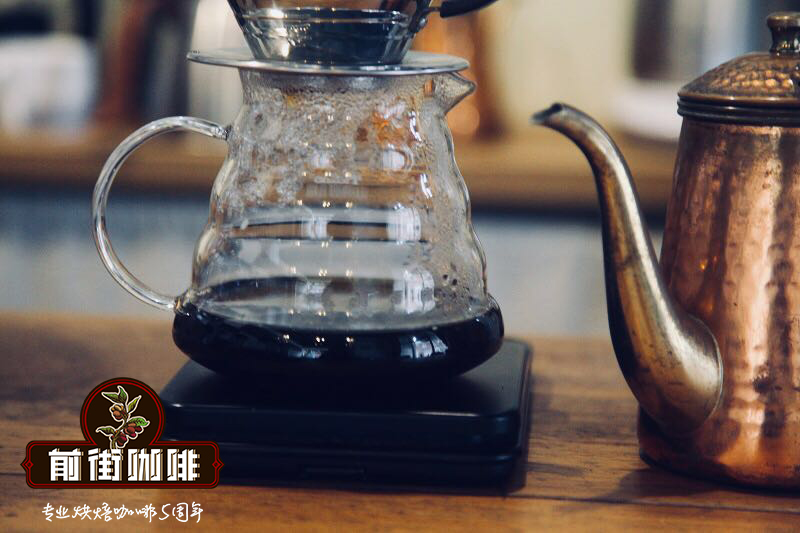
Suggested basic equipment set: a digital scale (accurate to 0.1 grams), a gooseneck pour-over kettle (copper offers the best heat conduction), a glass server, and 15-20 grams of freshly roasted coffee beans ground medium-fine. Before brewing, place a weighing paper under the filter paper to effectively prevent the filter from shifting during brewing.
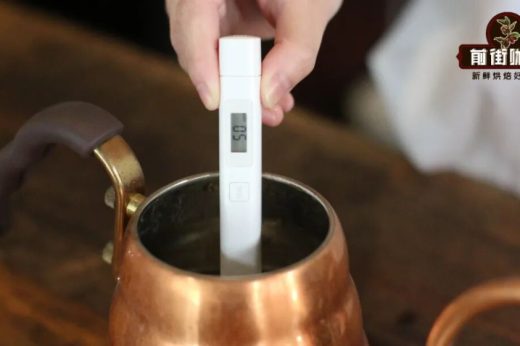
Reference extraction parameters for a standard single serving: 15-20 grams of beans, water temperature controlled in the 92-96°C range (use higher temperatures for light roasts and lower for dark roasts), total water about 200 milliliters, and a total duration of about 1 minute 40 seconds. A medium-fine grind, similar to fine granulated sugar, is best; too coarse leads to underextraction, while too fine easily overextracts and produces bitterness.
Key points for staged pouring:
Step one is pre-wetting the filter paper—use a small amount of hot water (about 30 milliliters) to evenly wet the filter, which also preheats the equipment. Then gently tap the coffee bed flat, and be sure to tare the scale and restart the timer before the actual pour.
Step two is the bloom pour: pour 30-50 milliliters of hot water in a spiral from the center outward, ensuring all grounds are saturated but no obvious puddle forms on the surface. Stop pouring when the bed begins to swell and rise (usually 15-30 seconds); this stage is called the "bloom" and is the key step in awakening the coffee cells.
Step three is the first main pour: starting from the center of the bed, pour in small circles within a reference range the size of a 10-yuan coin (about 24 millimeters in diameter), with a total of about 100 milliliters. Keep the stream height at about 15 centimeters and the flow rate even and steady, avoiding direct impact on the center of the bed that could cause channeling.
Step four: when the liquid level drops to one-third of the dripper, begin the second main pour. At this point note the "coffee wall" phenomenon forming at the edge of the bed—when the outer foam gathers it naturally blocks overextraction, so keep the stream mainly in the central area. Continue pouring until the total water approaches 200 milliliters, closely watching for changes in flow rate.
In the final stage, fine-tune the flow rate to ensure the final extracted volume precisely reaches the target (usually 200 milliliters ±10 milliliters). After brewing, observe the thickness of the coffee wall left on the inner wall of the dripper: a moderate coffee wall indicates full and even extraction, and is one of the important sources of coffee body.
On a common question: the reason pour-over coffee's aroma is stronger than its taste on the palate is that volatile aromatic substances are more easily released in hot steam, while some complex flavor compounds need to be further activated by mouth temperature. It is recommended to wait about 30 seconds after brewing before drinking; by then the temperature has dropped to the 60-65°C range, where the flavor expression is most balanced.