Honey Process Coffee Explained: What "Honey" Means, Raisin Honey Process, and Flavor
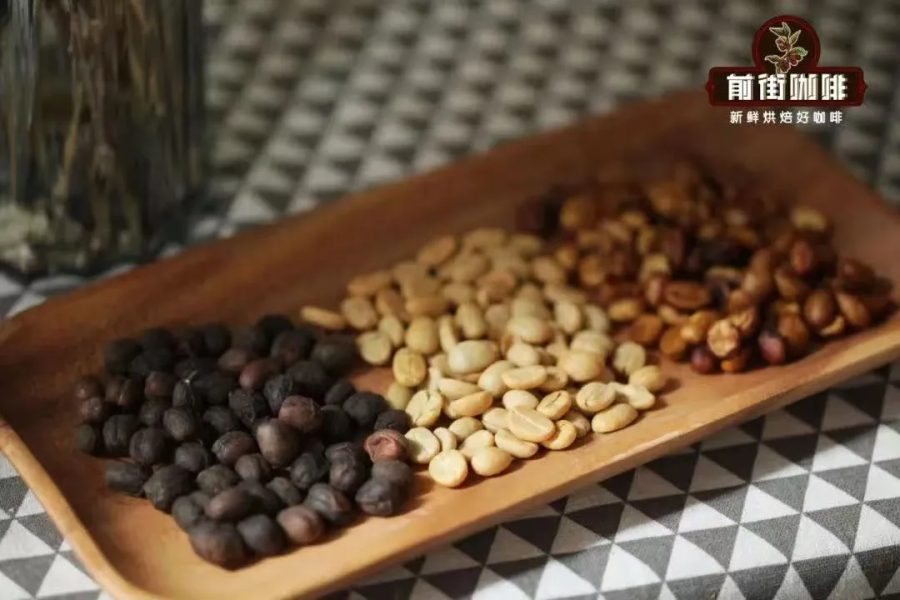
Introduction: Have you ever wondered what the "honey" in honey process coffee actually refers to? Why does a special technique like raisin honey process exist? This article takes an in-depth look at the origins of the honey process, the true meaning of the different honey color classifications, and how raisin honey process affects coffee flavor, giving you a complete understanding of the technique and flavor logic behind this sweet process.

When people mention honey process coffee, many first think of "sweetness." Indeed, most honey process coffees taste distinctly sweet, and the word "honey" easily brings to mind honey-like sweetness, so many naturally assume that honey process coffee is coffee with a honey sweetness.
But in fact, the "honey" in honey process has no direct relationship to taste. Here "honey" does not mean the coffee's flavor is sweet like honey; rather, it vividly describes a viscous, honey-like substance retained during processing—the mucilage.

The term Honey Process comes from English; in Spanish it is Miel Process. Whether Honey or Miel, the literal meaning is "honey." This processing method first became popular in Costa Rica, because the layer of mucilage left after the coffee cherry is pulped is sticky and glossy and looks very much like honey, so locals vividly called this processing method "Miel," meaning honey process.
Later, because one step of this method is to sun-dry the coffee beans with the mucilage still on them, the name "honey process" gradually became widely accepted and used.

The honey process workflow is not complicated, and its predecessor can be traced back to Brazil's pulped natural method. First, the coffee cherries are floated to remove unripe cherries, defective cherries, and impurities. Next, a specialized machine removes the skin and pulp but retains the mucilage layer, and the coffee beans with mucilage go directly into the sun-drying stage. Once the beans' moisture content drops to the target range, they undergo subsequent hulling to complete the entire processing flow.
Because mucilage is rich in sugar, during sun drying the mucilage gradually oxidizes, and its color changes over time, from an initial yellowish-white gradually to golden yellow, orange-yellow, and even deep red or nearly black. This process usually lasts 2 to 4 weeks, depending on how much mucilage is retained and local climate conditions.

In honey processing, how much mucilage is retained is a key factor that directly affects drying time, color change, and the final flavor characteristics. Based on the amount of mucilage retained, the industry often divides honey process into types such as white honey, yellow honey, red honey, and black honey, but these names are not a globally unified standard, and definitions may differ between producing regions or processing facilities.
Generally speaking, white honey retains the least mucilage, dries faster, and has a lighter color; yellow honey comes next; red honey retains more mucilage, takes longer to dry, and is darker in color; black honey retains almost all the mucilage, has a deeper fermentation level, and the longest drying time, and the coffee's sweetness and complexity are usually higher. For example, black honey coffees often have a more intense sweet aroma and a fuller body, but the corresponding costs and risks are also higher.

It is worth noting that although black honey process is often considered closest to the traditional natural style, the two are still fundamentally different: honey process removes the pulp and retains only the mucilage, while traditional natural process retains both pulp and mucilage through drying. In addition, there is no unified standard on the market for naming honey process colors, so the same "yellow honey" may be called "white honey" at a certain processing facility, causing confusion for consumers.

Besides the common white, yellow, red, and black honey processes, there are also some more distinctive variations, such as raisin honey process. The main difference between this method and regular honey process lies in the pre-drying stage: before pulping, the coffee cherries are first naturally dried for at least three days, until the fruit begins to shrivel and takes on a raisin-like appearance, and only then are the skin and pulp removed for the subsequent honey processing and sun drying.
This extra pre-treatment step allows the coffee to develop richer layers of flavor during fermentation and drying, often with complex aromas such as strawberry, berry, and raisin, and more pronounced sweetness.

In short, no matter which color or type honey process is divided into, the "honey" does not refer to the coffee's taste but to that layer of mucilage that resembles honey in form, is rich in sugar, and influences flavor. From the amount of mucilage retained and the drying method to the pre-treatment steps, every stage has an important impact on the final coffee's flavor. Understanding these processing details not only helps you better choose coffee beans but also lets you more deeply appreciate the unique appeal of different processing methods when tasting.


