Piccolo Latte Beans, Ratio and Flavor Explained

Introduction: The piccolo latte, a popular mini milk coffee in Australia, is gaining attention for its refined proportions and distinctive flavor. This article details the core parameters of this 3-4 oz small-cup latte—including bean selection, extraction ratio (such as a 1:2 coffee-to-milk ratio), standard cup size (around 90ml), and flavor characteristics (such as nutty aroma and balanced mouthfeel). It also examines its origins, how it differs from a flat white, and why it is rarely seen in China, helping coffee lovers and professionals master the essentials of making this specialty drink.
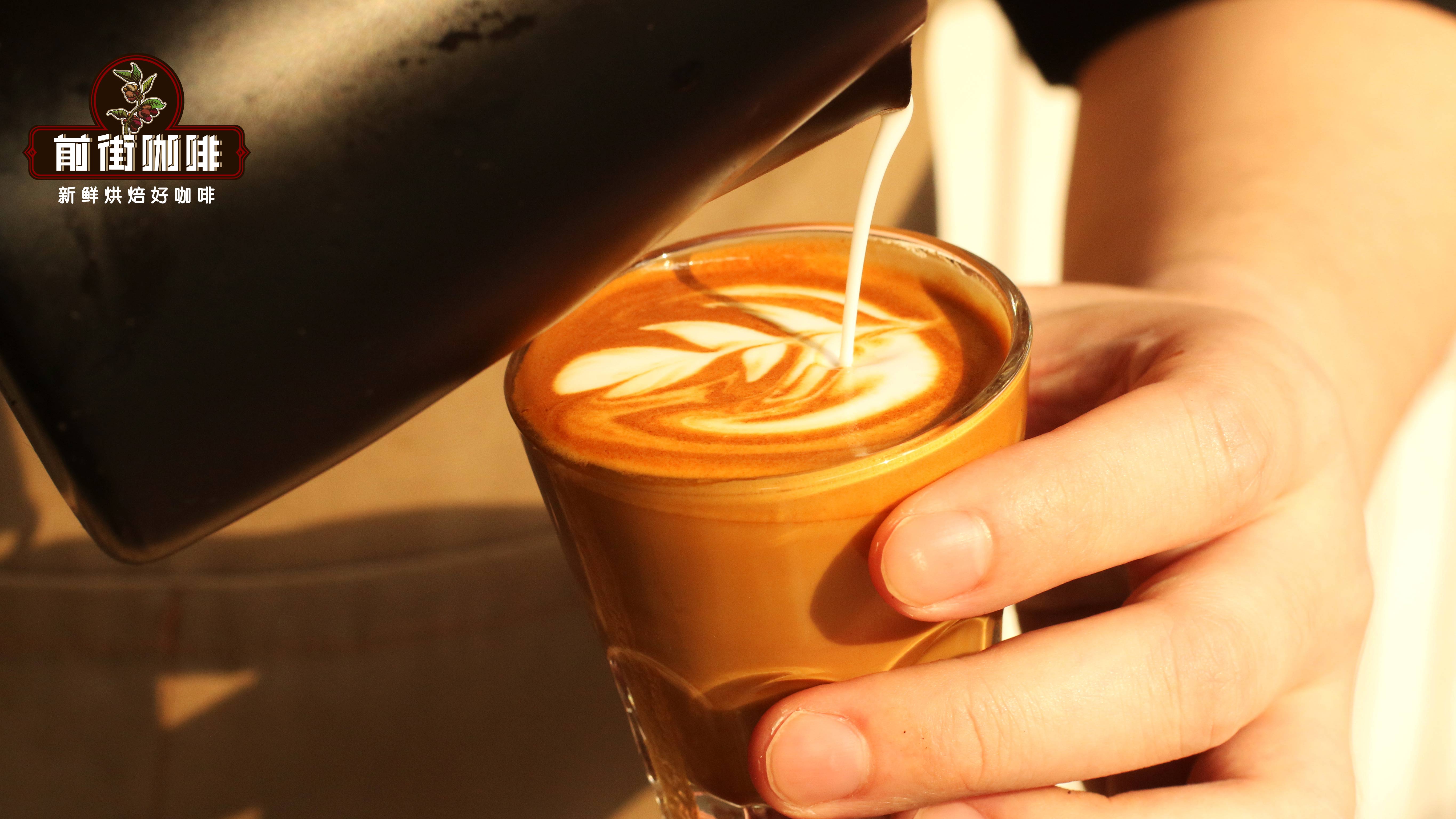 Have you heard of the piccolo latte? This mini milk coffee that set off a craze in Australia has become a favorite among coffee lovers for its one-shot drinking experience and distinctive flavor. Unlike the common latte or cappuccino, the piccolo latte stands out for its precise ratios and compact cup size. Next, we take an in-depth look at its bean selection, extraction parameters, flavor characteristics, and the story behind it.
 The English name of the drink is "Piccolo Latte," in which "Piccolo" means "small" in Italian, so it translates literally as "small latte." It is often regarded as a mini version of a latte, but in fact this drink is far more than a scaled-down size. Traditionally, a piccolo latte is served in a 3-4 oz (about 88-118ml) glass, and its essence lies in the precise coffee-to-milk ratio, delivering a concentrated yet balanced flavor experience.
 Based on World Coffee Championship experience, the classic piccolo latte recipe is usually: 1 part espresso (about 15-30ml) with 2 parts steamed milk and a small amount of milk foam, a ratio of about 1:2. That is, in a cup of about 90ml, you get about 30ml of espresso base and 60ml of milk and fine microfoam; this ratio ensures the coffee flavor is clear and prominent, while the silky milk and dense foam add the finishing touch to the overall mouthfeel.
 The birth of the piccolo latte is closely tied to baristas' daily dialing-in. To precisely control the quality of the day's espresso, baristas need to repeatedly test different recipes, but making standard lattes for dialing-in often causes a lot of waste. So they came up with the idea of shrinking the cup size and making a mini latte for recipe adjustment. This approach not only saves ingredients but also preserves the integrity of the latte's flavor. When the drink reached the market, it gradually evolved into today's piccolo latte, especially favored in the Australian coffee market.
In Australia, a standard piccolo latte is usually 90ml (about 3 oz), and the beans chosen are mostly medium-light roasted blends to ensure a fresh flavor that does not overwhelm the delicate milk. The coffee portion is often a single ristretto (about 15ml), a coffee more concentrated and focused than a standard espresso, while the milk portion is about 75ml with a thin layer of foam, making the overall mouthfeel light yet layered.
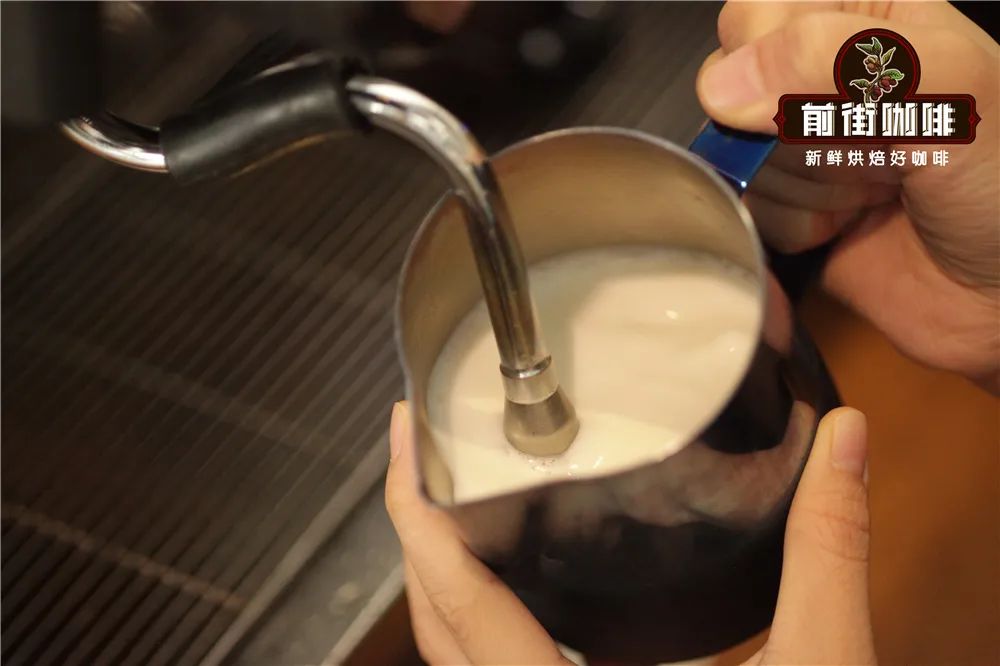
 So how do you make a well-balanced piccolo latte? The key lies in precise extraction and ratio control. The traditional method recommends 1 part espresso (about 30ml, including crema) with 2 parts milk and foam (about 60ml in total). Today, weighing in grams is preferred for consistency. For example, use 20g of ground coffee to extract about 40g of coffee liquid (including crema), with an actual volume of about 30ml. For the milk, steam about 100ml of milk to a fine foam 0.5-0.7cm thick, and finally combine into a complete drink of about 90ml.
For bean selection, medium-light roasted blends are recommended, such as a blend of Yunnan arabica and Brazil Red Bourbon, which often carries flavors of chocolate, roasted almond, and caramel with moderate acidity; paired with milk, it shows complex aromas of nuts and caramel, smooth on the palate and balanced in flavor. Note that using beans that are too darkly roasted may make the mouthfeel too heavy and mask the delicate qualities of the milk.
 Compared with the flat white, the piccolo latte is less widespread in China, for several reasons. First, the flat white successfully opened the Chinese market through Starbucks' promotion of "Fu Rui Bai," while the piccolo latte lacks similar commercial backing. Second, coffee consumption occasions in China often emphasize socializing and leisure, and consumers prefer larger cups; the small-cup piccolo latte does not fit mainstream demand in most settings. Finally, from the merchant's perspective, at the same price point consumers prefer larger products; pricing a small cup too low hurts the overall average ticket, while pricing it too high makes it hard to gain market acceptance, which leaves many coffee shops hesitant to offer the piccolo latte.
 In summary, the piccolo latte, with its refined cup size (about 90ml), precise coffee-to-milk ratio (such as 1 part espresso + 2 parts milk), and distinctive flavor profile (such as nutty aroma and balanced mouthfeel), is a specialty coffee category worth understanding in depth. Whether for daily drinking or for improving barista skills, mastering its core parameters (such as 30ml espresso, 60ml milk, 1:2 ratio) and flavor characteristics can add more possibilities to your coffee experience.


