Panama Geisha Coffee: Flavor Profile and French Press Brewing Guide
Introduction: Panama Geisha coffee has become a benchmark for specialty coffee thanks to its distinctive floral and fruity aromas and multi-layered mouthfeel, but quality varies enormously across producing regions and processing methods. This article explains the origins of the Geisha variety and Hacienda La Esmeralda's grading system, with a focus on decoding the flavor of Red Label Geisha and French press brewing parameters, plus a complete step-by-step procedure and answers to common questions to help you faithfully reproduce a top-tier cup.
When asked "which coffee is most worth trying," experienced enthusiasts often recommend Panama Geisha. This once-obscure variety overturned people's understanding of coffee with its stunning floral and fruity aromas—unlike the rich bitterness of traditional coffee, it delivers a fresh experience like a tropical orchard. Note, however, that products labeled "Geisha" on the market vary widely in quality; when you see a "Red Label" designation in particular, it is all the more important to understand the strict screening standards behind it.

The Geisha variety's legend began in 1931, when a British explorer first recorded this wild variety in the southern highlands of Ethiopia. After cultivation and propagation by research institutions in Kenya and Tanzania, it eventually arrived at CATIE, the agricultural research center in Costa Rica, and was assigned the number T2722. Its resistance to leaf rust attracted the interest of Panamanian growers, but early on it was managed as part of mixed plantings; only when Hacienda La Esmeralda conducted systematic comparisons was the potential of this "flavor bomb" discovered.
2004 was the turning point for Geisha—Hacienda La Esmeralda entered the washed Geisha from the Mario plot in the Best of Panama competition and won, breaking auction price records and showing the world that Central America could produce such elegant coffee. Today Panama Geisha leads the world with three core strengths: cultivation in volcanic soil at altitudes above 1,600 meters, a distinctive floral and fruity character, and a strict quality grading system.

Panama's unique geography produces Geisha's exceptional quality: the microclimate formed around the 3,500-meter Barú volcano, the moist air currents of the Pacific and Atlantic combined, and the abundant minerals of the volcanic soil provide ideal conditions for coffee trees. By comparison, Geisha from other regions is more affordable but generally lacks this three-dimensional layering of flavor.
Hacienda La Esmeralda's current grading system retains only Red Label and Green Label: Red Label Geisha must meet two hard criteria—grown at an altitude of 1,600–1,800 meters and scoring above 90 points in cupping. The slow natural-process Geisha from the Mario plot that we recommend is a typical example; this processing method dries the whole fruit slowly in the sun over several weeks, allowing sugars to fully permeate the seed and creating the signature sweet finish.

Professional roasters recommend a medium-light roast (around the dense stage of first crack) to preserve Geisha's delicate flavors. For brewing parameters, a 1:16 coffee-to-water ratio with a grind passing 80% through the Chinese standard No. 20 sieve balances floral release and acidity. In practice, first bloom the grounds with 30 grams of 90°C water for 30 seconds to activate the coffee, then slowly pour in a central stream to 140 grams; after the water level drops, continue circling to 240 grams to complete extraction.

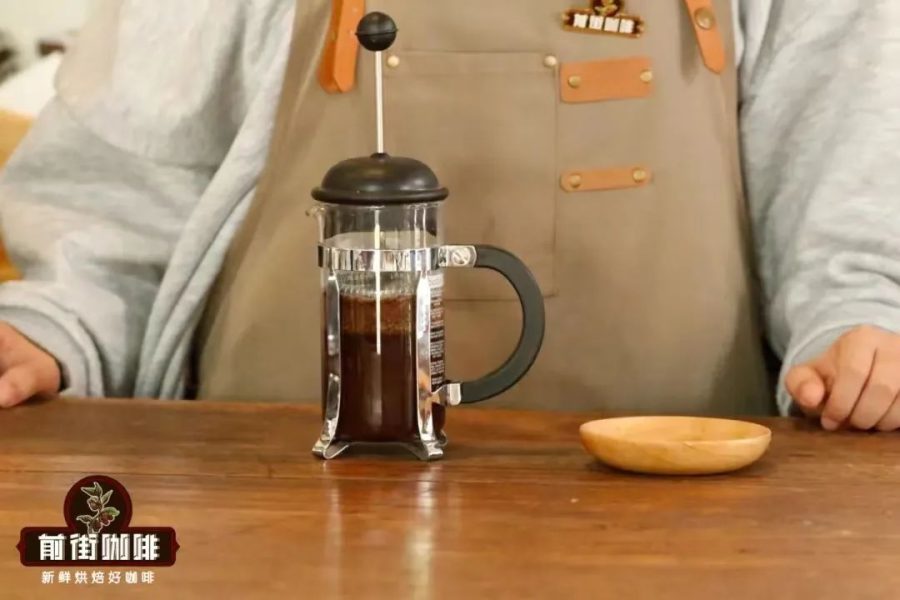
French press fans can choose a more convenient brewing approach: use a slightly coarser grind passing 75% through the No. 20 sieve, a 1:15 coffee-to-water ratio and 93°C water, steep for 4 minutes, then press the filter gently to one-quarter of the way down the carafe and stop. Be sure to preheat the equipment and ensure the coffee bed is level—this is key to avoiding channeling. Practical tests show these parameters highlight berry acidity and white florals while maintaining a full body.

Common misconceptions about Geisha include assuming all Panama Geisha is equivalent to Red Label quality (Green Label may be grown as low as 1,400 meters) and confusing processing differences between Hacienda La Esmeralda and other regions (such as the genetic differences between Ethiopian landraces and Panamanian selections). Beginners are advised to start with products that clearly state origin and processing method, prioritizing lots with cupping reports.

For storage, freshly roasted Geisha beans are best rested for 4–7 days, during which the beans continue to release carbon dioxide and develop flavor. If brewing with a French press, you can extend the bloom time to 45 seconds to compensate for the insufficient degassing caused by a coarser grind. When observing extraction, the ideal coffee-water contact should show an even amber foam layer rather than patches of white or dark brown.

Flavor wheel analysis shows that high-quality Panama Geisha typically presents: top notes—white florals and citrus acidity; middle notes—ripe berries and honey sweetness; finish—a tea-like aftertaste with a slight caramel sweetness. This clearly layered expression is exactly what distinguishes it from ordinary coffee.

Advanced tips: to intensify floral expression, try lowering the water temperature to 88°C and shortening extraction time; if you prefer stronger sweetness, extend the French press steep to 4 minutes 30 seconds. Avoid over-stirring, which releases tannins and makes the mouthfeel rough. Regularly cleaning the French press filter mesh is also essential for keeping flavors pure.

A final reminder: low-priced "Geisha" from Vietnam and elsewhere exists on the market, and genetic testing often shows significant differences from the Panamanian variety. When buying through proper channels, look for estate-direct supply or authoritative cupping certification to experience the true charm of Geisha. From a carefully cultivated coffee seed to a floral and fruity feast in the cup, this is the precious gift that Panama Geisha has evolved over a century to offer.