Espresso Blending Guide: Ratios and Flavor Balance Tips
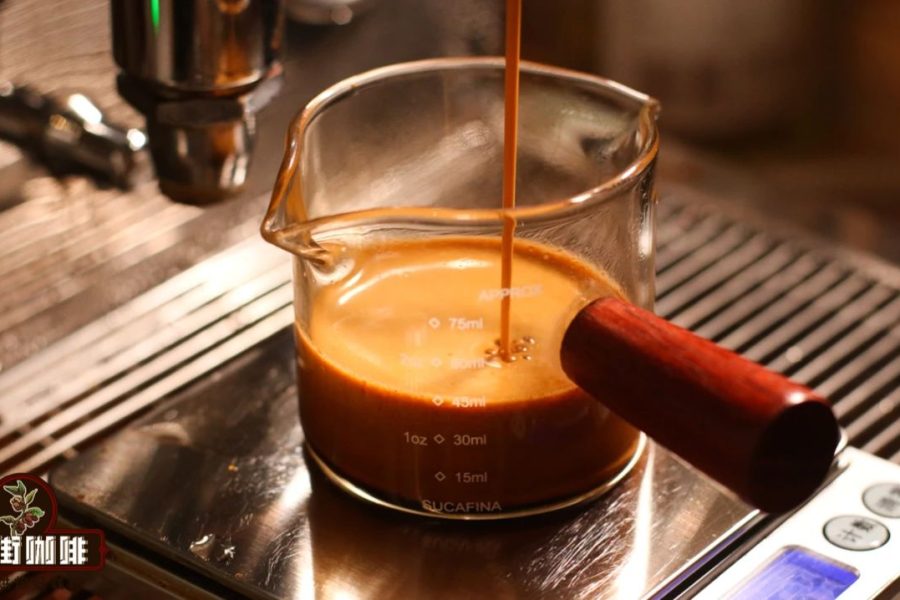
Introduction: The flavor layers of espresso depend largely on the choice and ratio of blended beans. From sweet-acid balance to rich crema, how do coffee beans from different regions combine scientifically? This article analyzes the core logic of espresso blending in depth, offers recipe ideas for scenarios from home to commercial use, and includes a reference of key flavor characteristics to help you find a suitable blend.
A high-quality espresso's flavor balance directly affects the overall drinking experience. To achieve harmony among acidity, body and sweetness, coffee bean blending strategy is crucial. Although single-origin beans are favored in pour-over brewing, they often struggle to meet espresso's demand for complexity due to their single flavor profile. This also explains why professional baristas prefer blending techniques to fuse the characteristics of bean varieties from different regions, creating a base with both layering and stability.
In early blending, baristas mainly aimed to mask the influence of a few defective beans. But with the spread of specialty coffee culture, practitioners began pursuing more recognizable flavor signatures—maintaining consistency across batches while breaking through the seasonal limitations of a single origin. This shift pushed blending techniques from a "remedial measure" to a "flavor design tool."

For home users, choosing blended beans requires focusing on two points: bean freshness (products within 2-14 days after roasting are recommended) and personal taste preference. If planning to open a coffee shop, three additional dimensions must be considered: long-term stable output quality, raw material cost control, and the consumption preferences of the target customers. A successful recipe often requires repeated testing, including adjusting the proportions of beans from different regions, optimizing roast level, and even fine-tuning extraction parameters for specific drinks (such as lattes or Americanos).
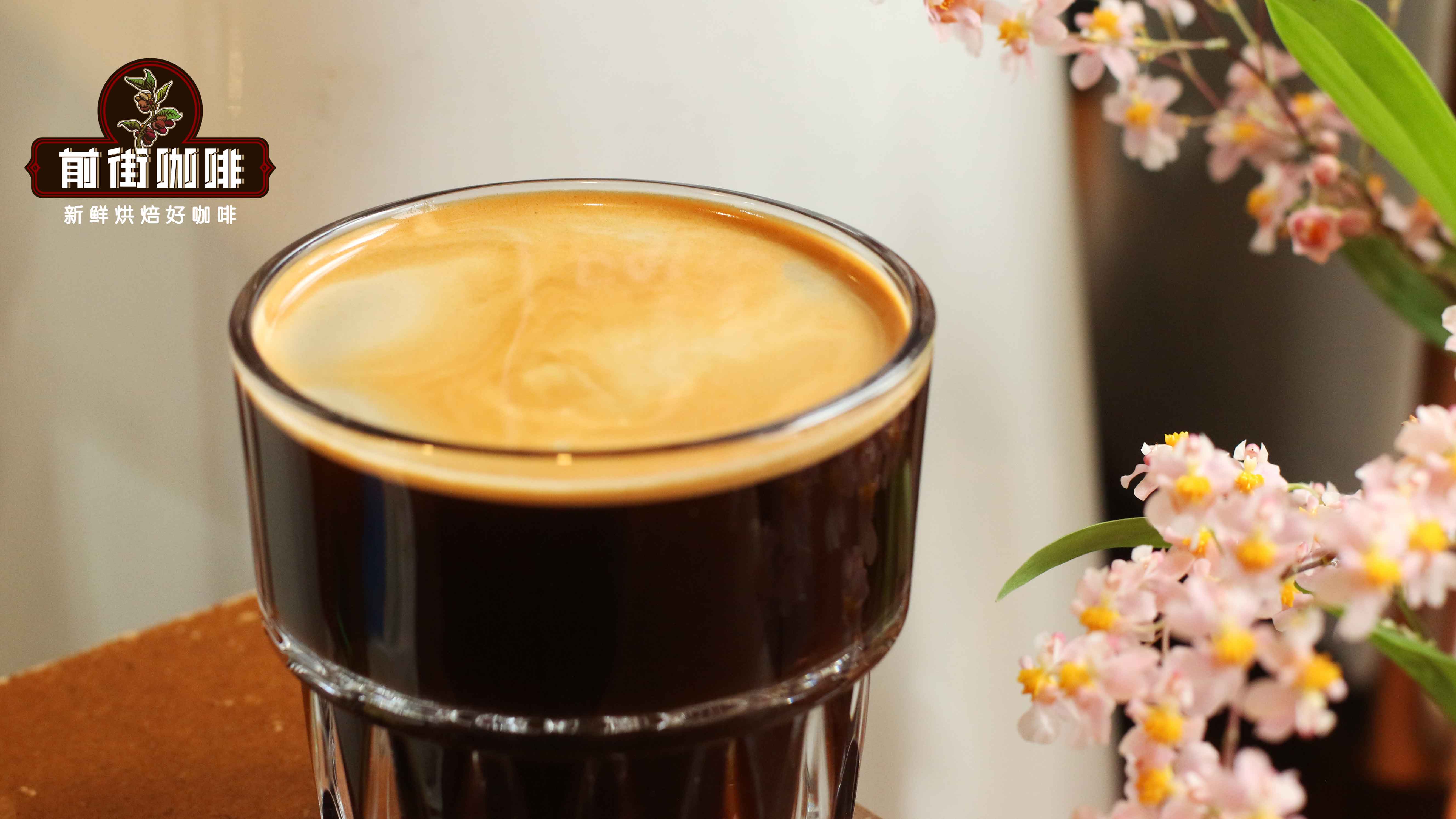
The following are blend recipe references for different application scenarios (image positions retain the original markers):
When pursuing a rich, full-bodied taste, try a combination of Brazilian beans (40%), Sumatra Mandheling (30%) and a small amount of Robusta (30%). Note that the Robusta proportion should not exceed 30%, otherwise it may mask the delicate flavors of other beans. This type of recipe can significantly increase the thickness of Crema (the coffee oil layer), making it especially suitable for milk coffees with latte art patterns.
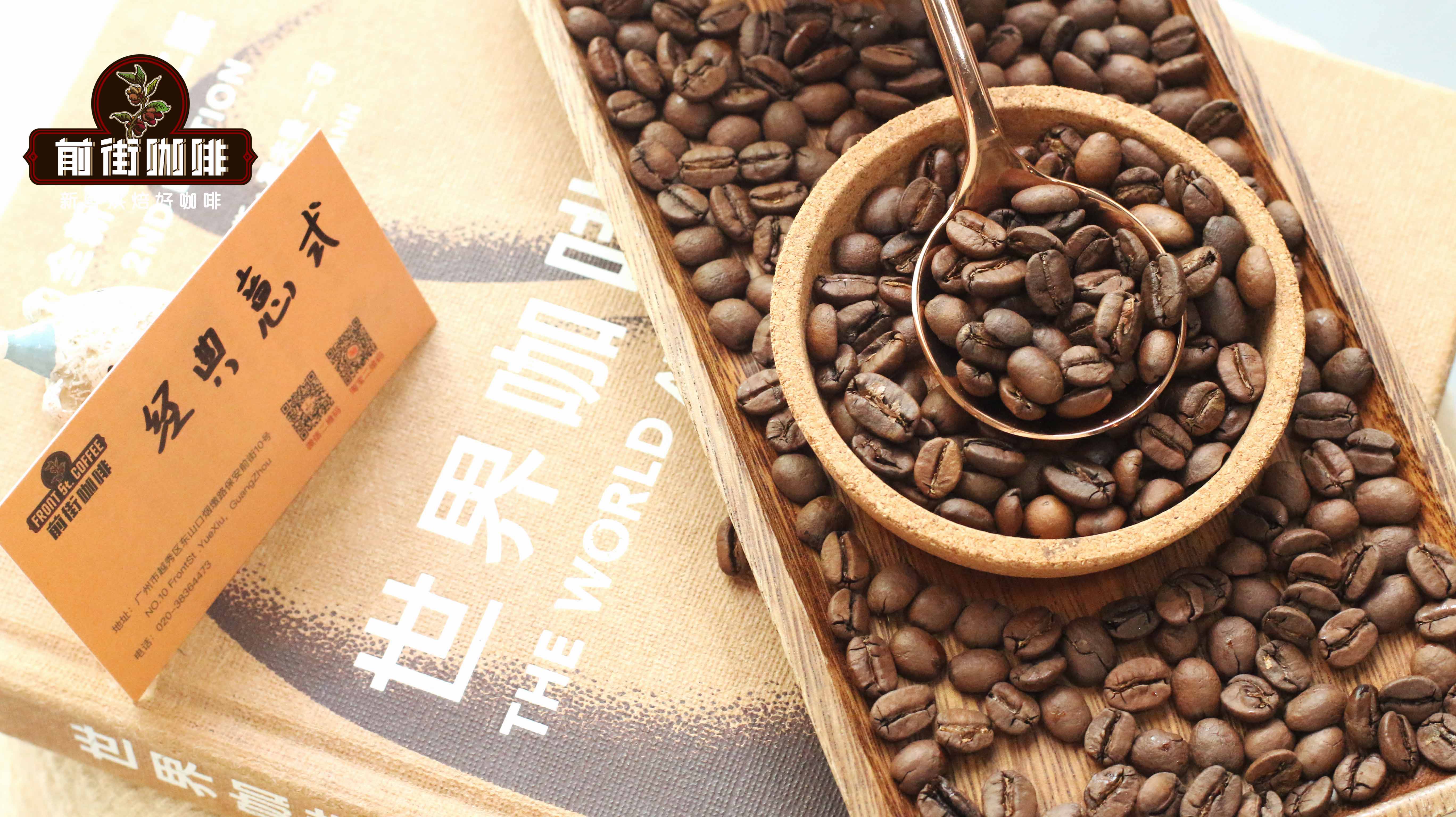
If you prefer bright fruity acidity and sweetness, a blend based on medium-roasted Latin American beans is recommended. For example, mix Colombia (45%), Ethiopian natural-process beans (35%) and Guatemala (20%); when extracted at a 1:2 coffee-to-water ratio, it can show berry-like sweet-acid notes. This type of recipe requires controlling extraction time between 22-28 seconds to avoid over-extraction causing bitterness to emerge.

Consumers who prefer nutty and chocolate notes can choose a basic combination of Brazil (50%) with Colombia (50%). A medium-dark roast level (Agtron value about 55-60) can strengthen the aroma of roasted almonds and dark chocolate, often leaving a caramelized sweet finish after extraction. This recipe is more sensitive to grind fineness; uniform particles passing through a No. 18-20 sieve are recommended.
A common crema-enhancing recipe in commercial settings usually includes Vietnamese Robusta (40%), Brazil (30%) and Yunnan small-bean variety (30%). Deep roasting to the dense second crack stage can maximize Crema expression, but storage conditions must be controlled to prevent oil oxidation. For Americanos made with this blend, a dilution ratio of 1:5 to 1:7 is recommended; for lattes, fresh steamed milk is recommended to maintain taste balance.
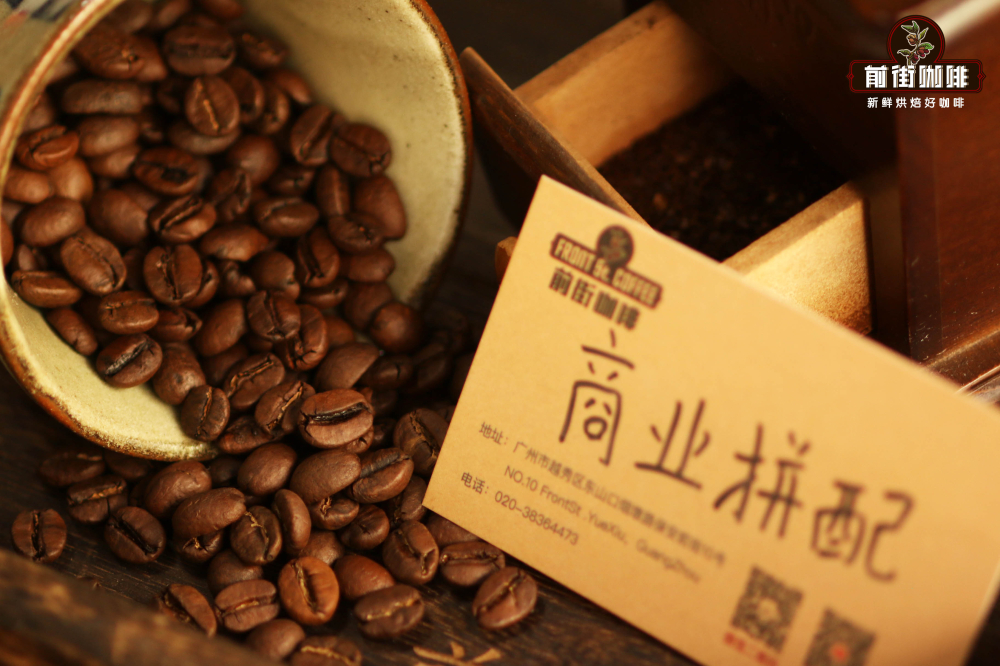
Beginner users can prioritize a balanced recipe that considers both overall cost and ease of use. Based on Brazil (55%), Indonesia (25%) and African hybrid varieties (20%), a medium-dark roast (Agtron 65-70) ensures palatability without distracting attention with complex flavors. This type of bean has a relatively long shelf life (recommended to use within 60 days), suitable for daily home consumption.