Why Is Costa Rican Geisha Coffee Sweeter? Honey-Process Blend Pour-Over Parameters and Flavor Analysis
Introduction: An in-depth analysis of the unique sweetness of Geisha coffee from Costa Rica's high-altitude regions, comparing the terroir differences between Mirazu Estate's blend and Xiaozhu Estate's single variety. It details the effects of raisin honey processing and washed processing on flavor and provides practical V60 pour-over parameters to help enthusiasts precisely present Geisha's floral and sweet layers.
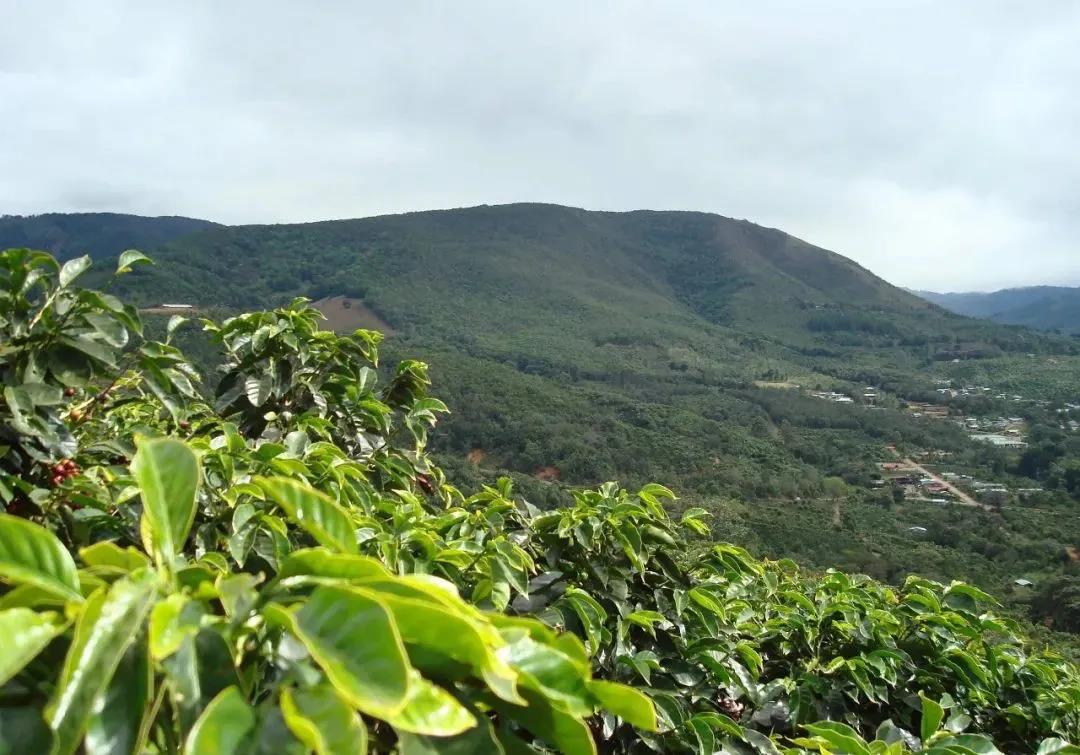
As a representative region of Central America's volcanic-soil coffee belt, Costa Rica's Tarrazu area, with its altitude above 1,700 meters and large day-night temperature difference, is an ideal place for the Geisha variety to express sweet flavors. Compared with ordinary regions, the trace elements rich in local volcanic rock and the consistently humid microclimate prompt coffee cherries to mature slowly and accumulate higher-density sugars and aromatic substances.
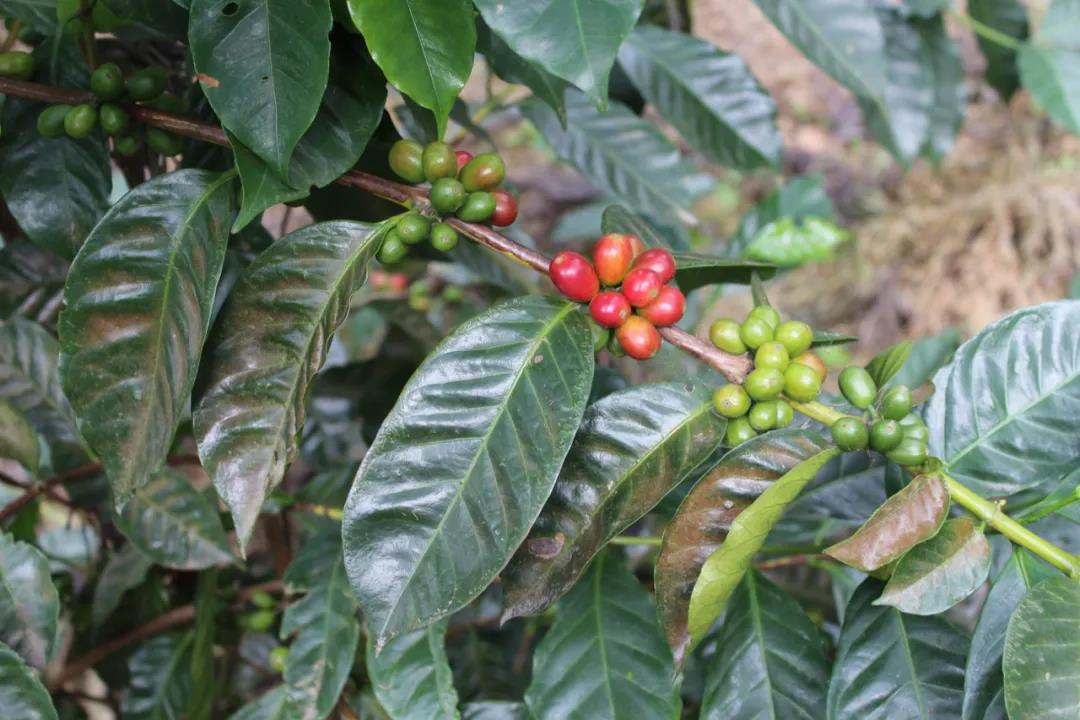
The microclimate diversity of the Tarrazu region is particularly prominent: although they belong to the same geographical zone, different estates, due to slight differences in altitude gradient, slope orientation and soil pH, nurture completely different flavor directions. This "same origin, different character" trait means the same variety may show a range from bright citrus to mellow stone fruit on different plots.
Mirazu Estate is located at the edge of the cloud belt at an altitude of 1,700 meters and is run by owner Esteban Sánchez, who has a background in agronomy. Its original experimental processing workshop is equipped with self-designed micro washing equipment and is especially skilled at enhancing fruit aroma complexity through precise temperature-controlled fermentation. The estate's blend incorporates rare native varieties such as ET47; although the source of ET47 is undisclosed, cupping has verified that it often carries a honey-like mid-palate sweetness and a soft malic acidity.
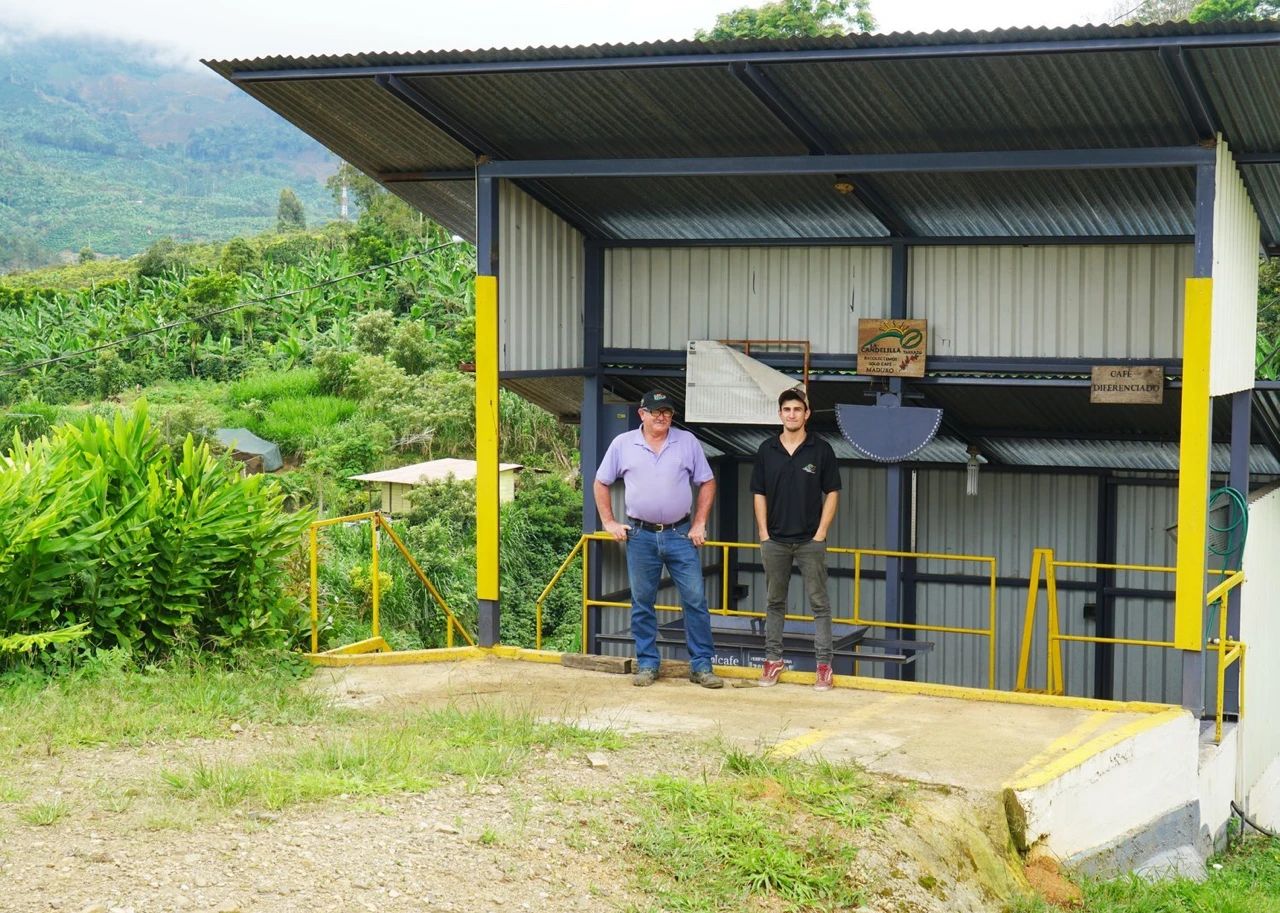
The nearby Xiaozhu Estate is named after the firefly swarms that gather at night. Its extreme altitude of 1,750 meters, combined with the natural shade system formed by dense tree canopy, creates a slow photosynthesis cycle of up to 14 hours per day on average. This environment forces the flavor compound synthesis cycle of the coffee beans to lengthen, ultimately forming a highly recognizable tea-like acidity and a clear jasmine floral base.
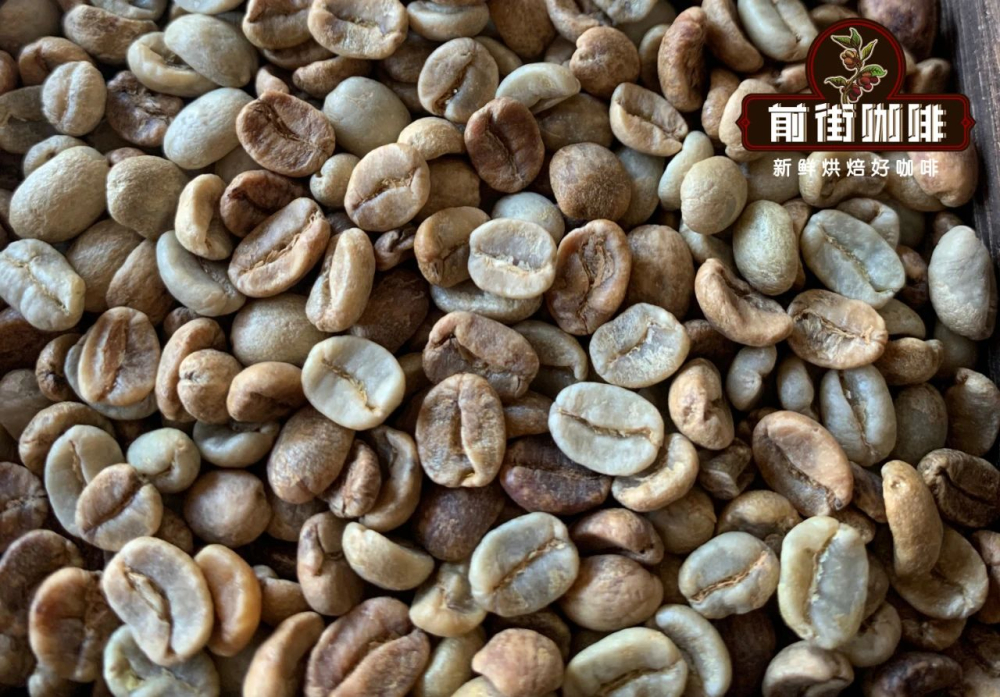
In terms of variety composition, the Mirazu blend innovatively combines four genes: Geisha (the main body), ET47, SL28 and Maico. Among them, SL28, a classic Kenyan disease-resistant variety, contributes a wine-like body; Maico strengthens the caramel finish. Of particular note is the ET47 variety, whose laboratory number comes from early introduction sequence management; although parentage information is undisclosed, it often shows a complex peach-apricot berry sweetness in actual tasting.
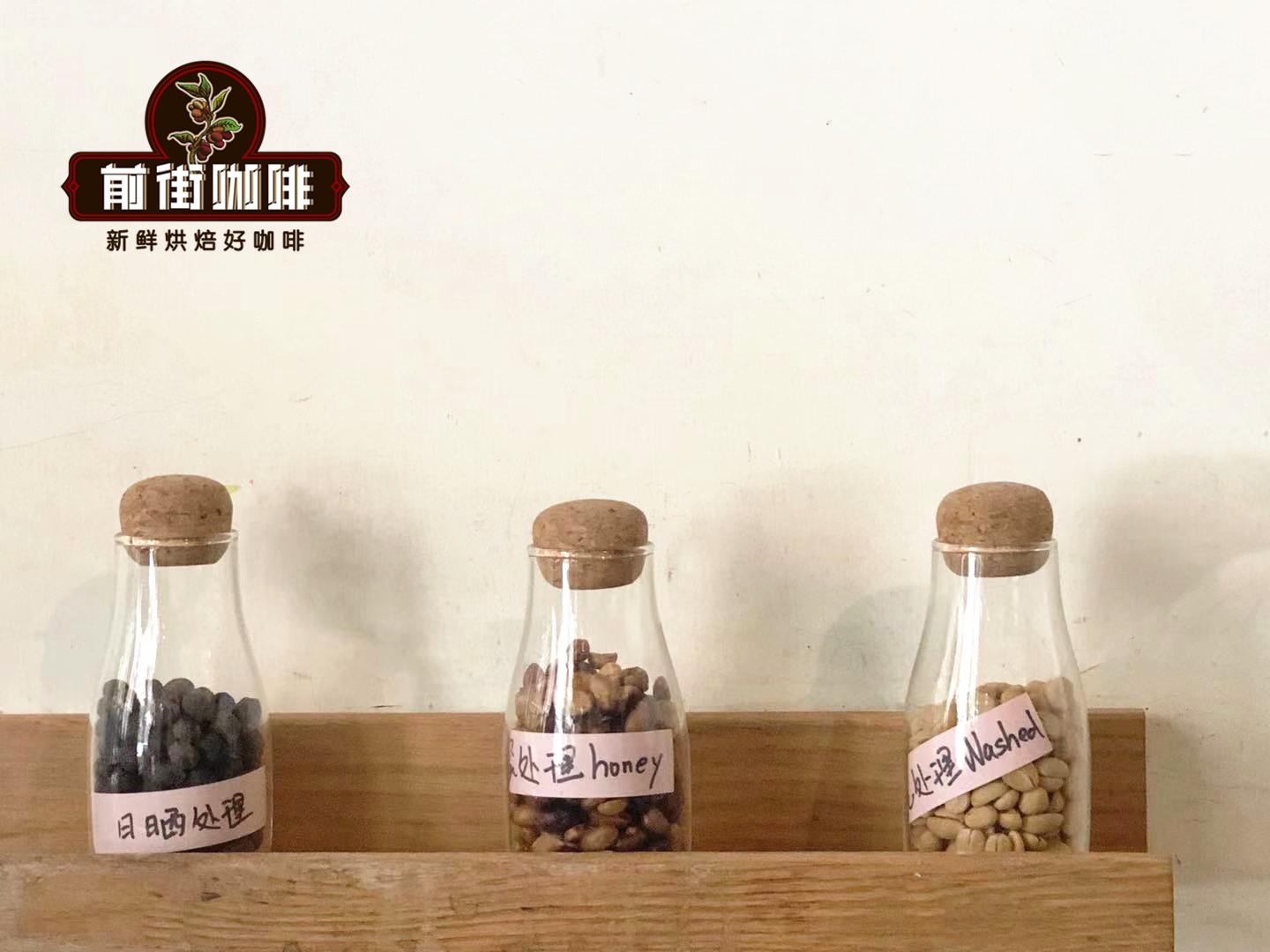
Processing differences directly affect sweetness expression: Xiaozhu Estate uses a standard washed process, enhancing pectin decomposition efficiency through 24-hour temperature-controlled anaerobic fermentation (28-30°C), with the final bean moisture content strictly controlled in the 11.5%-12.2% range. This process maximally preserves the Geisha variety's original citric acid and green tea base while avoiding off-flavors caused by over-fermentation. By contrast, Mirazu's raisin honey process extends the pectin-attached drying time to 19 days; under precise control with three turnings per day, it increases honey sweetness by about 30% and adds a liqueur chocolate-like aftertaste.
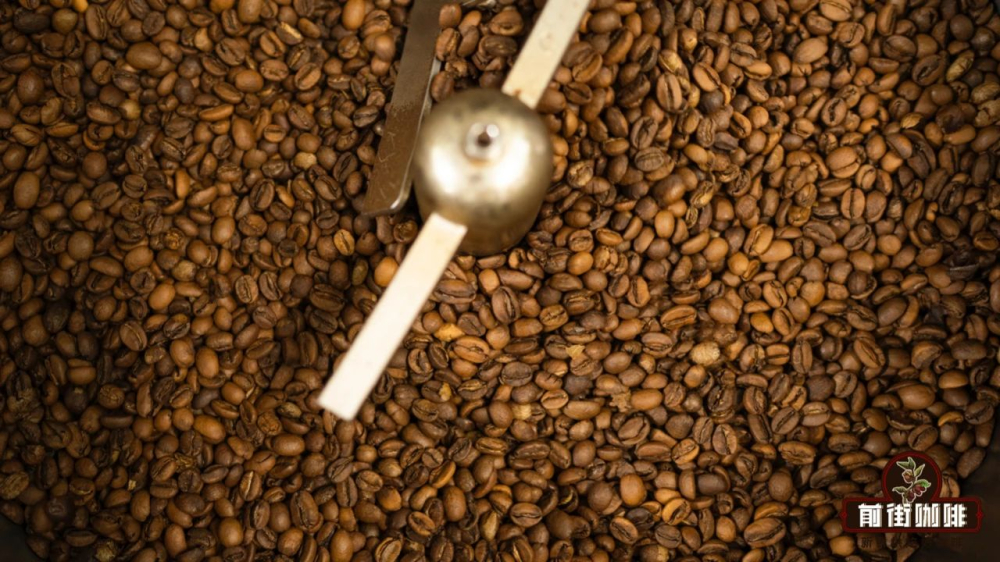
Roast curve settings must match processing characteristics: for the honey-process blend, it is recommended to use a medium-sized roaster (such as the 800N series) with an initial drum temperature of 175°C, keep the damper at position 4 during the 114°C dehydration stage, and set the first crack starting temperature precisely at 193.5°C to avoid the formation of bitter, burnt substances. For the single-variety Geisha, lower the initial drum temperature to 180°C and extend the Maillard reaction stage (entering first crack at about 8'30") to highlight the volatilization threshold of floral and fruity aromatics.
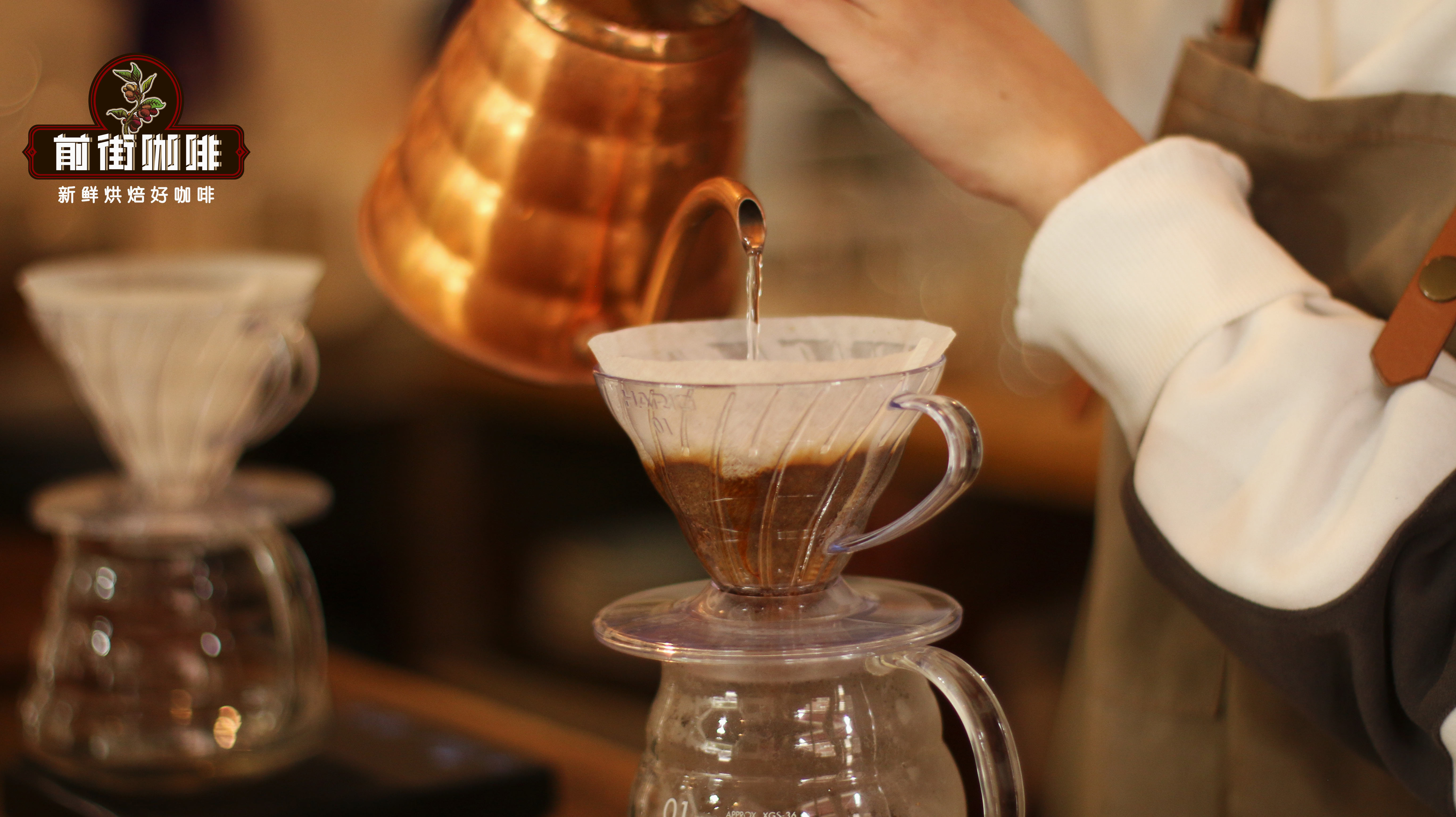
V60 pour-over practical plan: use 15 g of grounds with 225 ml of water at 90°C, medium-fine grind (75% passing a Chinese standard No. 20 sieve). The three-stage pouring rhythm is: first stage 30 g in a central spiral for 30 seconds of blooming; second stage 95 g, raising the water flow to lift the coffee bed to a height of 1.5 cm; final stage 100 g, slowly finishing to ensure even extraction. These parameters effectively balance the proportion of sweetness and acidity and are especially suitable for showing the berry explosion of the Mirazu blend or the mineral finish of Xiaozhu Estate.

Suggested flavor comparison dimensions: the honey-process blend's main theme is a tropical fruit basket (mango/lychee) layered over a toffee base, with an acidity curve as smooth as silk across the tongue; the single Geisha variety shows a more three-dimensional layered structure—the first stage is freshly crushed green tea buds, the middle transitions to lime-like citrus acidity, and the finish has the warm, gentle sweetness of honey yuzu tea. Choose according to drinking occasion: for morning refreshment, choose the high-sweetness blend; for afternoon tasting, the single variety seeking a refreshing feel is more suitable.


