Drip Bag Coffee Brewing Guide: From Bean Selection to Flavor Analysis
Introduction: Drip bag coffee, with its convenience and relatively high quality, has become a daily choice for many coffee lovers. But how do you brew a cup of drip bag coffee with balanced flavor and rich layers? From the flavor differences of coffee bean origins and freshness judgment to the details of grind size, water temperature, and pouring techniques, this article will systematically sort out the key points for selecting and brewing drip bag coffee, helping you easily master the craft of the 'portable café'.
Coffee culture is evolving rapidly. From traditional natural and washed processing methods to today's popular barrel-aged and anaerobic processes, coffee flavors present unprecedented diversity, each with its own characteristics like craft beer. With the popularity of specialty coffee, consumers not only pursue flavor complexity but also demand higher cost-effectiveness and portability—just a pot of hot water allows you to enjoy a cup of freshly ground-level coffee anytime, anywhere. This is the core advantage of drip bag coffee.
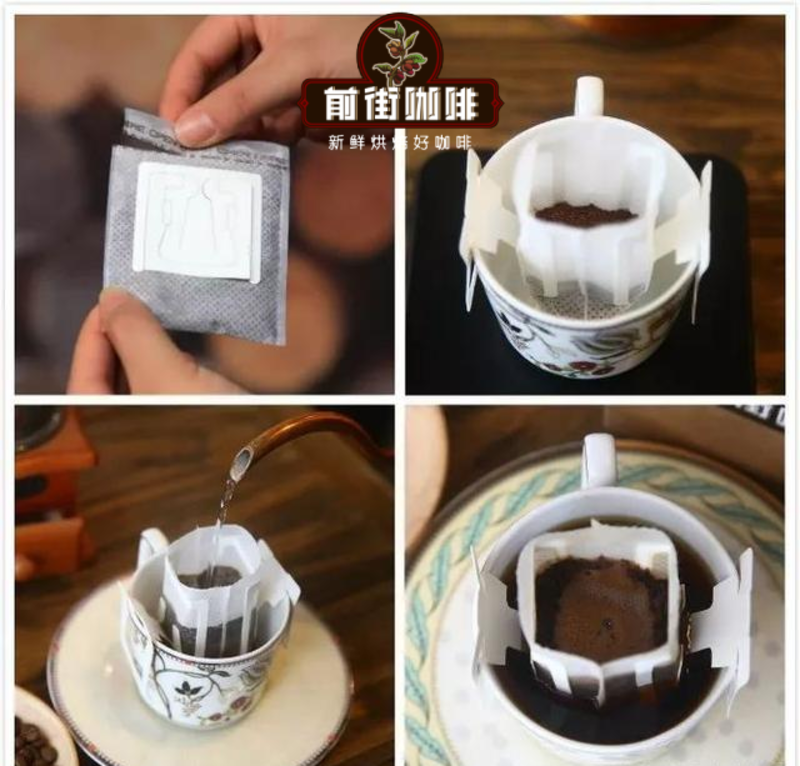
Drip bag coffee was first invented and patented by a Japanese company in 1990, originally intended to create a portable brewing solution. The first-generation product had obvious flaws: due to insufficient support from the drip bag structure, it was prone to imbalance and spillage during pouring, like a fledgling eagle unable to fly steadily. It wasn't until 1998, after improvements by Daiki Sangyo, that the stability was enhanced by extending the width of the drip bag, eventually forming the mature design widely known today. Its principle borrows from the convenient idea of tea bags, encapsulating ground coffee in a filter bag with 'ears' on both sides that hang on the cup rim. This retains the flexibility of pour-over while simplifying equipment needs, making it a relaxing companion for busy urbanites during lunch breaks.
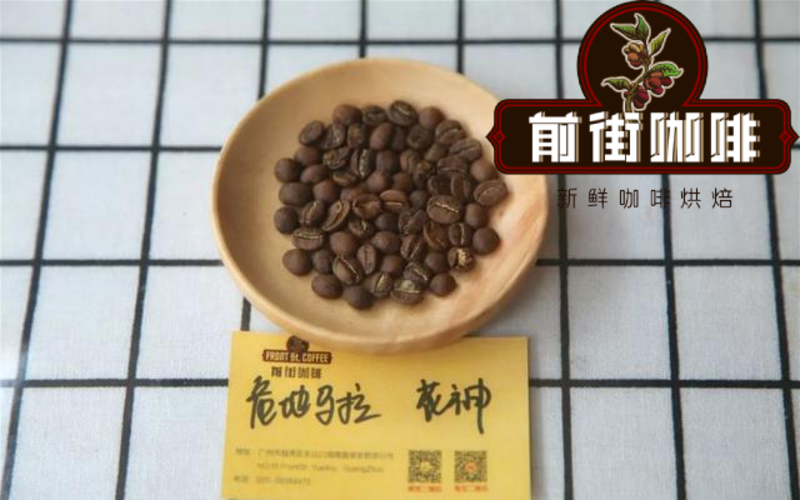
To brew a delicious cup of drip bag coffee, you first need to start with bean selection. Coffee beans from different regions exhibit distinct flavor characteristics due to differences in climate, soil, and processing methods: African regions are known for bright fruity acidity and floral notes, such as Ethiopian and Kenyan beans often with lively citrus and berry acidity, accompanied by elegant jasmine or honeysuckle aromas, with a clean mouthfeel like a mountain stream; Central American regions (such as Panama and Costa Rica) have balanced flavors, with harmonious and soft acidity and sweetness, and delicate fruitiness that is not overpowering, suitable for those who prefer mild flavors; South American regions (such as Brazil and Colombia) feature nutty and dark chocolate richness, with full body and smooth, viscous mouthfeel; Asian regions (such as Yunnan and Indonesia) are influenced by local vegetation and often emit natural woody aromas like herbs and cedar, with rounded acidity and prominent sweetness. When purchasing, you can prioritize drip bag products from representative regions according to personal taste preferences.
Besides origin, the roast date of coffee is key to determining flavor freshness—as an agricultural product, coffee beans quickly lose aroma after grinding. The optimal enjoyment period for drip bag coffee is usually 1-2 weeks after roasting (unopened). It is recommended to choose drip bags freshly ground and sealed at local stores, or confirm the production date when shopping online (usually marked on the side of the packaging), and avoid buying stock beans older than 1 month, otherwise problems like aroma loss and flat taste are likely.
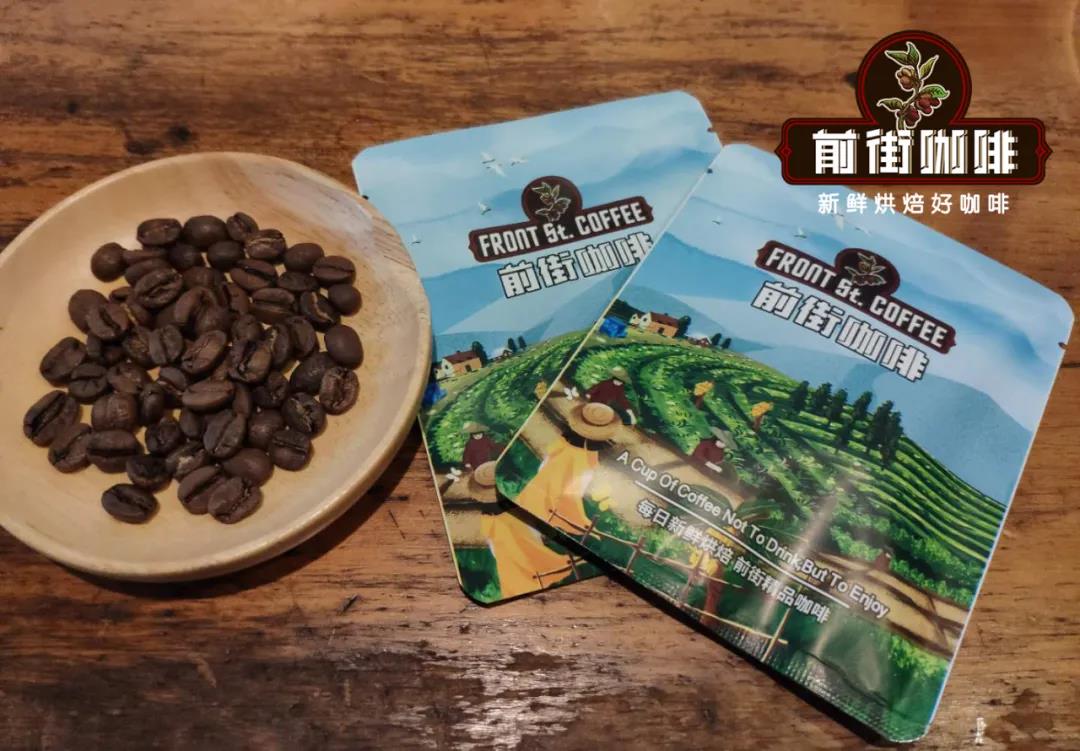
When buying drip bags online, also carefully check key information on the packaging: including origin details (such as specific farm or micro-region), coffee variety (such as Arabica Bourbon, Caturra), processing method (washed, natural, honey, etc.). These parameters directly affect the final flavor—for example, washed beans usually have high cleanliness and bright acidity; natural processed beans have richer sweetness with fermented fruit aromas. By comparing packaging information, you can judge whether the product matches your needs and avoid experience affected by merchant errors (such as wrong region or expired products).
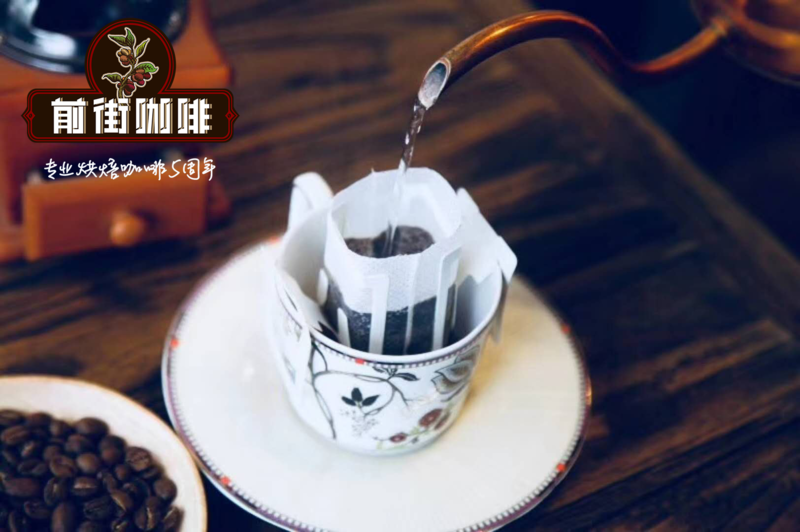
Having mastered the key points of bean selection, next are the key techniques for brewing. Taking a typical medium-light roast drip bag as an example (reference parameters: about 10g coffee powder, powder-to-water ratio 1:15), it is recommended to use medium-fine grind (similar to fine granulated sugar, with moderate water flow rate), water temperature controlled at 90-92°C (too high easily causes bitterness, too low makes acidity sharp). The specific operation can be divided into three steps: first, pour a small amount of hot water (about 20g) for a 30-second bloom to awaken the coffee powder's activity and release initial aromas; then slowly pour in a circular motion to about 150g (total water about 150ml, corresponding to 1:15 ratio), maintaining a steady flow and avoiding direct impact on the center of the filter bag which may cause local over-extraction; after the coffee liquid has completely dripped (usually taking 2-3 minutes), remove the drip bag and gently shake the cup to evenly blend the flavors before drinking.
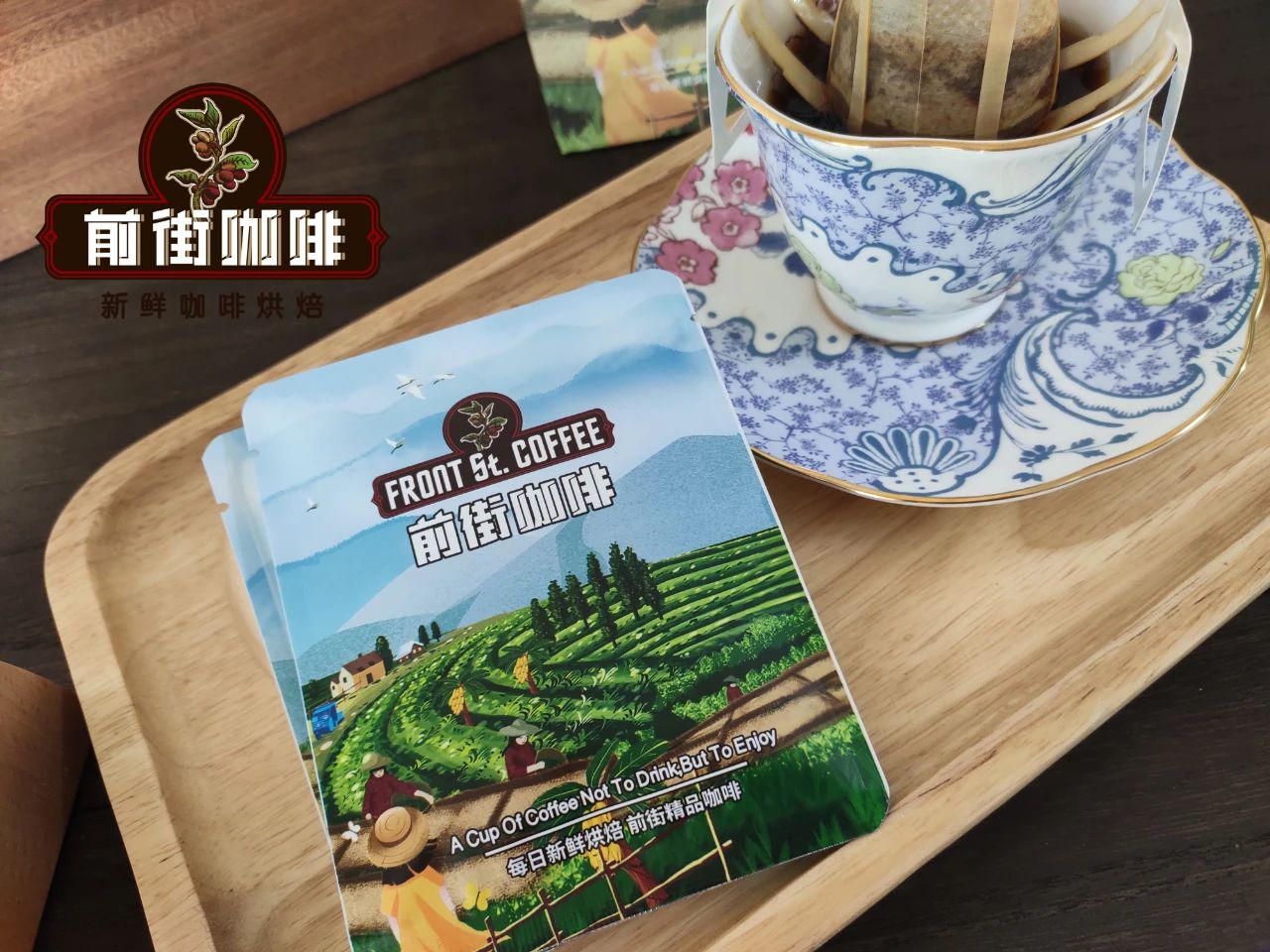
Different flavor profiles of drip bag coffee may require slight parameter adjustments: if you prefer brighter acidity (such as African beans), you can appropriately lower the water temperature to 90°C and shorten the bloom time to 20 seconds; if you seek a rich mouthfeel (such as South American nutty chocolate style), you can increase the water temperature to 93°C and extend the pouring time to a total water volume of about 180ml. Note to avoid over-pouring (exceeding 200ml) which makes the coffee too weak, or pouring too fast causing under-extraction.
Through reasonable bean selection and standardized brewing, drip bag coffee can not only reproduce the layered complexity of freshly ground coffee but also adjust flavor tendencies according to personal preference. Whether for a refreshing moment at the office desk or convenient enjoyment during outdoor travel, after mastering these techniques, you can extract your own 'coffee ritual' from a packet of drip bag coffee.